About
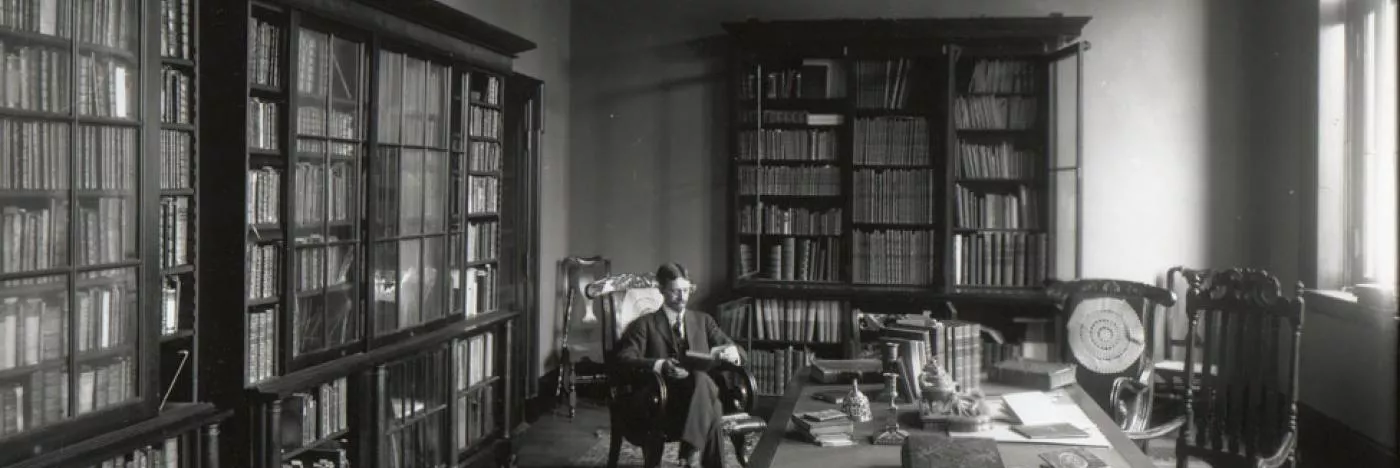
The JCB has undergone extraordinary changes since its mid-nineteenth-century inception as the private collection of bibliophile John Carter Brown. What began as a gentleman’s library has grown into a world-leading library of “Americana,” a term that traditionally denoted books, maps, and manuscripts related to the history of the Americas from the arrival of Europeans c. 1492 to the independence movements of the late-eighteenth and early-nineteenth centuries. We recognize that term even as the library takes an expansive view of its interpretation.
The JCB now offers a sought-after fellowship program that attracts between 40 and 50 scholars from around the world each year; a commitment to full digitization of the library’s collections and a digital program for supporting a dynamic environment of digital scholarship; a world-class curatorial and library staff, with professional expertise in the fields the library serves and the collections it stewards; extensive academic and public programming; and an onsite and remote research environment for anyone wishing to develop, learn, and share the complex and interconnected histories of the early Americas.
By preserving, expanding, and providing enhanced access to its world-renowned collection, the John Carter Brown Library inspires scholarship, stimulates innovative and creative engagement with its materials, and connects communities around the world with the history and culture of the early Americas.
Located on the campus of Brown University in Providence, Rhode Island, The John Carter Brown Library welcomes individuals and communities from around the world to research, learn, and share knowledge about the early Americas through its collections. Committed to digital as well as on site access to its world-leading materials focused on the full western hemisphere from the 15th through the 19th centuries, the JCB supports research fellowships, a digital platform, Americana, and a regular program of academic and public events.