
China
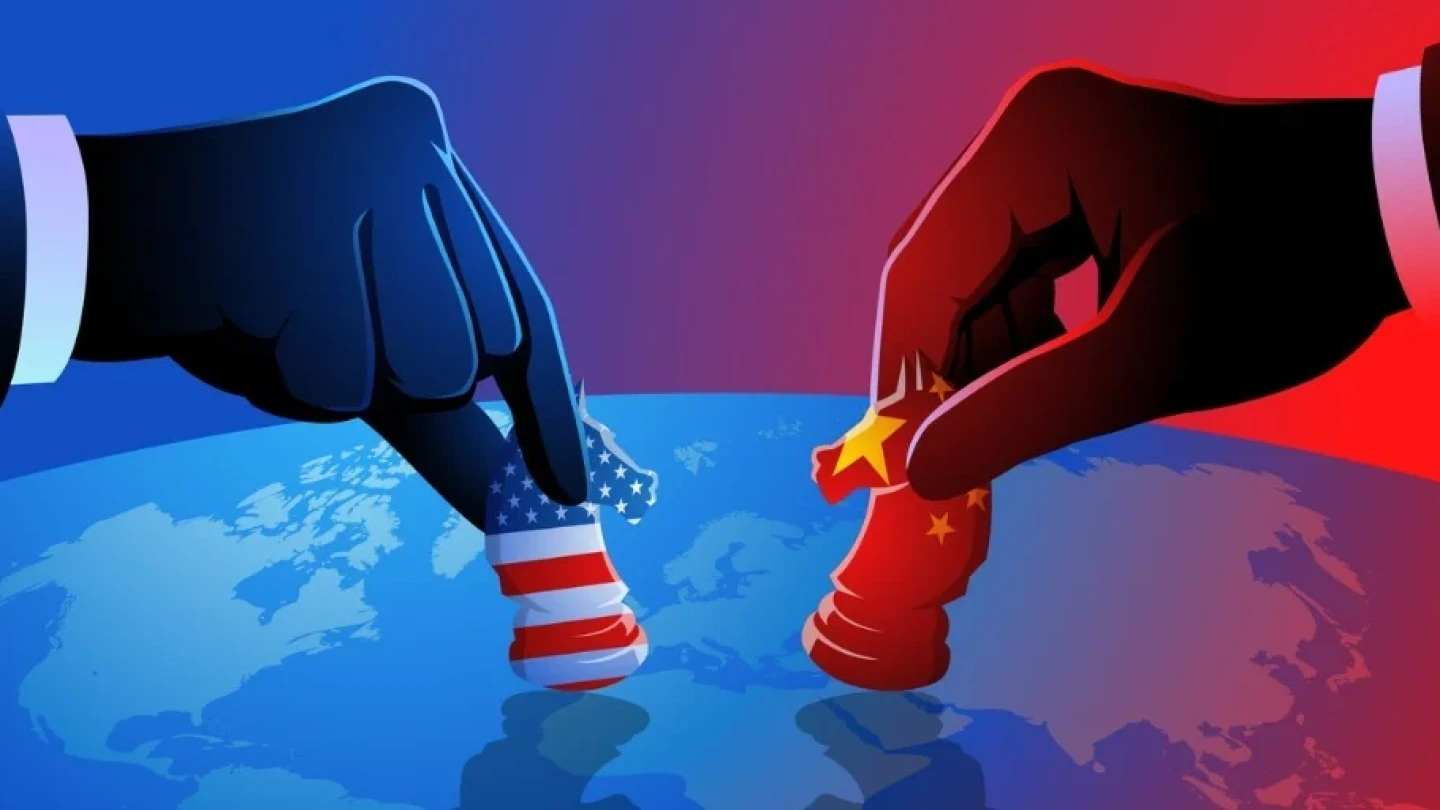
Congressional letters sent to the CEOs of Eli Lilly, Pfizer, Merck, BMS and AbbVie this week voicing concerns about the pharmas’ clinical trials in China highlight an ongoing discrepancy in how government and industry think about the rise of the Asian country’s biotech industry.

AstraZeneca and CSPC Pharmaceutical Group have already inked two other agreements this year, including an obesity-focused deal in January and one focused on chronic diseases in June.

At the BIO International Convention in San Diego, attendees marked the 50th anniversary of original biotech Genentech, reflecting on the immense challenges facing companies as China becomes a powerhouse innovator.

Investment firm Deerfield Management is the latest to find a gem in China, which has been rising as a source of biotech innovation over the past few years.

Lilly has already spent more than $25 billion in potential business development commitments this year, including the $6.3 billion buyout of Centessa Pharmaceuticals that closed today.

Speaking to media on Tuesday, BIO CEO John Crowley complimented China’s rise as a biotech powerhouse but said U.S. policy needs to protect and maintain America’s lead.

China’s Haisco Pharmaceutical continues to wield deals, this time out-licensing rights to two late-stage programs to New Jersey biotech Nuvectis.

Among the health department’s efforts is an expedited investigational new drug pilot program that would leverage collaborations with U.S. research institutions to reduce early trial timelines by as much as 12 months.

Backed by institutional investors and seasoned industry leaders, cAMPfield Therapeutics is advancing a clinical program aimed at reshaping the landscape for inflammatory bowel disease.

Members of the American Biotech Innovation Alliance (ABIA) want to build a national biotech strategy—just like China did years ago.
PRESS RELEASES