PureKonect™ Logo
    • Advanced Search
  • Guest
    • Login
    • Register
    • Night mode
Minal Dixit Cover Image
User Image
Drag to reposition cover
Minal Dixit Profile Picture
Minal Dixit

@rahul3011

  • Timeline
  • Groups
  • Likes
  • Following
  • Followers
  • Photos
  • Videos
  • Reels
Minal Dixit profile picture Minal Dixit profile picture
Minal Dixit
12 hrs - Translate

Mushroom Coffee Market Disruptions Reshaping Global Beverage Industry Growth And Innovation Trends Outlook
Introduction

The beverage industry is experiencing a notable shift as consumers increasingly explore functional drinks that offer health and wellness benefits. Among these emerging categories, mushroom-infused coffee has gained strong attention due to its perceived advantages such as improved focus, reduced stress, and enhanced immunity support. This growing interest is reshaping traditional coffee consumption patterns and creating new competitive dynamics in the global beverage space.

Market Transformation Overview

The rise of functional beverages has disrupted conventional coffee markets, encouraging brands to innovate beyond traditional caffeine-based products. Consumers are becoming more health-conscious and are actively seeking alternatives that combine energy-boosting properties with wellness ingredients. This shift is leading to increased experimentation with adaptogens, herbs, and medicinal mushrooms in everyday beverages, positioning mushroom-based coffee as a key growth category.

Health and Wellness Influence

One of the major forces driving this category is the global wellness movement. Consumers are paying closer attention to ingredients and their impact on mental and physical health. Mushroom-based coffee products are often associated with benefits such as reduced anxiety, improved cognitive function, and sustained energy without the jitters commonly linked to regular coffee. This perception is strongly influencing purchasing decisions and encouraging repeat consumption.

Consumer Behavior Shifts

Modern consumers prefer products that align with holistic wellness lifestyles. Instead of relying solely on traditional stimulants, many individuals are shifting toward balanced energy solutions. Younger demographics, especially millennials and Gen Z, are driving demand for innovative beverages that support productivity and mental clarity. This change in behavior is accelerating the adoption of alternative coffee blends in both online and offline retail channels.

Product Innovation Trends

Brands are actively experimenting with formulations that combine coffee with functional mushrooms such as lion’s mane, reishi, and chaga. These ingredients are blended to create unique flavor profiles while delivering perceived health benefits. Innovation is also seen in packaging, instant drink mixes, ready-to-drink formats, and organic product lines. Companies are focusing on taste improvement to overcome initial skepticism about mushroom-based beverages.

Supply Chain and Ingredient Sourcing

The growing demand for medicinal mushrooms has placed increased pressure on supply chains. Cultivation and sourcing of high-quality mushrooms require controlled environments and specialized agricultural practices. As demand rises, suppliers are investing in scalable farming techniques and sustainable harvesting methods. This ensures consistent quality while supporting long-term industry growth.

Competitive Landscape Changes

Traditional coffee brands are facing new competition from niche wellness-focused companies entering the market. These new players emphasize clean-label ingredients, organic sourcing, and functional benefits. Established beverage companies are also responding by launching their own mushroom-infused product lines or acquiring smaller innovative brands to maintain market relevance.

Distribution Channel Expansion

The availability of mushroom coffee has expanded significantly through e-commerce platforms, health food stores, and specialty cafes. Online retail has played a major role in product awareness and consumer education. Subscription-based models are also gaining popularity, allowing customers to receive regular deliveries and explore different blends over time. This diversified distribution strategy is helping brands reach a wider audience.

Regulatory and Labeling Considerations

As the category grows, regulatory frameworks around health claims and labeling are becoming more important. Companies must ensure transparency regarding ingredient sourcing and claimed benefits. Clear communication is essential to build consumer trust and avoid misinformation. This is leading to more standardized labeling practices within the industry.

Mushroom Coffee Market Disruptions Impact

Mushroom Coffee Market Disruptions are significantly reshaping the global beverage industry by challenging traditional coffee consumption habits and introducing functional wellness-based alternatives. This disruption is encouraging innovation across product development, marketing strategies, and consumer engagement models. It is also pushing established players to rethink their product offerings in order to remain competitive in a rapidly evolving market.

Future Growth Potential

The future of mushroom coffee appears promising as consumer interest in functional beverages continues to rise. Increased awareness of mental health, stress management, and cognitive performance is expected to support sustained demand. Continued product innovation, improved taste profiles, and wider availability will further strengthen market adoption across global regions.
Learn more about - https://www.pristinemarketinsi....ghts.com/mushroom-co

image
Like
Comment
Share
Minal Dixit profile picture Minal Dixit profile picture
Minal Dixit
14 hrs - Translate

Mood Boosting Drink Market Outlook Global Growth Trends Innovation Health Wellness Industry Expansion
Introduction

The mood boosting drink industry is emerging as a dynamic segment within the broader functional beverage market, driven by increasing consumer focus on mental wellness, stress management, and emotional well-being. These beverages are designed with ingredients that aim to enhance mood, improve relaxation, or support energy balance. Rising awareness of mental health and lifestyle-related stress is significantly influencing demand for such products across global markets.

Market Evolution

The market is evolving from traditional energy drinks and herbal teas toward scientifically formulated functional beverages. Consumers are now seeking drinks that not only refresh but also support emotional stability and cognitive performance. This shift reflects a broader wellness movement where nutrition and mental health are closely connected. As a result, beverage manufacturers are investing in new formulations that combine natural extracts, vitamins, amino acids, and adaptogens.

Rising Mental Wellness Awareness

One of the key drivers of growth is the increasing global awareness of mental health and emotional well-being. Busy lifestyles, work pressure, and digital fatigue are contributing to higher stress levels, encouraging consumers to explore natural ways to improve mood. Mood-enhancing beverages are becoming a convenient option for individuals seeking relaxation, focus, or emotional balance without relying on pharmaceutical solutions.

Ingredient Innovation

Innovation in ingredients plays a major role in shaping the future of this market. Natural compounds such as herbal extracts, botanical blends, nootropics, and plant-based adaptogens are widely used in product development. Ingredients like ashwagandha, ginseng, chamomile, and green tea extracts are gaining popularity due to their calming or energizing properties. Beverage companies are also experimenting with amino acids like L-theanine and vitamins such as B-complex to support brain function and mood regulation.

Consumer Preferences

Modern consumers prefer clean-label products with natural and recognizable ingredients. Transparency in formulation is becoming a key factor influencing purchasing decisions. Low-sugar, plant-based, and organic options are increasingly preferred, especially among health-conscious individuals. Convenience also plays a role, with ready-to-drink formats gaining popularity due to busy lifestyles and on-the-go consumption patterns.

Functional Beverage Expansion

The mood boosting drink segment is benefiting from the broader expansion of functional beverages. Consumers are increasingly looking for drinks that serve specific purposes such as relaxation, energy enhancement, sleep support, or focus improvement. This trend is encouraging manufacturers to create targeted product lines that address different emotional and cognitive needs, further diversifying the market.

Product Innovation and Formulation Trends

Product innovation is centered around balancing taste, functionality, and health benefits. Companies are working to ensure that mood-enhancing ingredients do not compromise flavor or consumer experience. Carbonated, non-carbonated, herbal infusions, and flavored wellness drinks are all part of evolving product portfolios. Additionally, sugar-free and low-calorie formulations are gaining traction as health awareness increases.

Distribution and Retail Growth

Distribution channels are expanding rapidly, with online retail, supermarkets, health stores, and specialty wellness shops playing key roles. E-commerce platforms are particularly important for reaching younger, digitally active consumers. Subscription-based wellness beverage services are also emerging, offering curated drink selections tailored to individual mood and health preferences.

Regional Market Expansion

Demand for mood-enhancing beverages is growing across both developed and emerging regions. In developed markets, consumers are highly aware of mental wellness trends and actively seek functional beverages. In emerging economies, rising urbanization, income growth, and exposure to global wellness trends are driving gradual adoption. This geographic expansion is expected to support long-term industry growth.

Competitive Landscape

The competitive environment is characterized by rapid innovation and brand differentiation. Companies are focusing on unique ingredient blends, sustainable packaging, and targeted marketing strategies. Startups and established beverage brands are both entering this segment, increasing competition and encouraging continuous product development. Branding centered around wellness, mindfulness, and emotional balance is becoming more common.

Mood Boosting Drink Market Outlook Insights

Mood Boosting Drink Market Outlook reflects a strong shift toward health-focused consumption patterns where emotional well-being is prioritized alongside physical health. The integration of natural ingredients, scientific research, and consumer-driven innovation is shaping the future of this industry. As awareness continues to grow, demand for functional mood-enhancing beverages is expected to expand steadily across global markets.
Learn more about - https://www.pristinemarketinsi....ghts.com/mood-boosti

image
Like
Comment
Share
Minal Dixit profile picture Minal Dixit profile picture
Minal Dixit
3 d - Translate

Milk Protein Concentrate Market Strategies Driving Growth Innovation Competitive Expansion In Global Dairy Industry

Introduction

The global dairy sector is experiencing steady transformation as demand for high-protein ingredients continues to rise across food, beverage, and nutritional applications. Among these ingredients, milk protein concentrate has gained strong attention due to its balanced nutritional profile, functional versatility, and cost-effectiveness. Manufacturers and suppliers are focusing on developing advanced approaches to strengthen their position in a competitive and evolving marketplace.

Market Positioning Approach

Companies operating in this segment are focusing on clear product positioning based on protein content, functionality, and application suitability. Milk protein concentrate is increasingly marketed as a high-value ingredient suitable for sports nutrition, bakery products, dairy formulations, and medical nutrition. Strong positioning helps differentiate products from other dairy proteins and enhances brand value in both industrial and consumer-facing markets.

Product Innovation Strategy

Innovation plays a central role in shaping growth strategies within the industry. Manufacturers are developing improved processing techniques to enhance solubility, texture, and stability of protein concentrates. Advances in membrane filtration and drying technologies are enabling higher purity levels and better performance in diverse applications. Product customization based on protein concentration levels is also becoming a key strategy to meet specific industry requirements.

Application Expansion Strategy

Expanding application areas is a major focus for industry participants. Milk protein concentrate is being increasingly used in functional foods, protein-enriched beverages, dietary supplements, and infant nutrition products. Food manufacturers are incorporating it to improve texture, nutritional value, and shelf stability. This broadening of applications helps companies reduce dependency on limited market segments and supports sustained demand growth.

Cost Optimization and Production Efficiency

Improving production efficiency is essential for maintaining competitiveness. Companies are investing in advanced processing systems that reduce waste, improve yield, and lower operational costs. Efficient use of raw milk resources and optimization of energy consumption during production are becoming important strategic priorities. These measures help manufacturers maintain profitability while offering competitive pricing in global markets.

Supply Chain Strengthening

A strong supply chain is critical in the dairy protein industry due to the perishable nature of raw materials. Businesses are focusing on building reliable sourcing networks with dairy farmers and cooperatives. Cold chain logistics and efficient storage systems are being improved to ensure product quality and consistency. Strengthening supply chain resilience also helps companies manage fluctuations in milk availability and price volatility.

Sustainability Initiatives

Sustainability has become a core strategic pillar for many organizations. Efforts are being made to reduce environmental impact through efficient water usage, lower greenhouse gas emissions, and responsible waste management. Companies are also exploring renewable energy sources in production facilities. These initiatives not only support environmental goals but also enhance brand reputation among environmentally conscious customers and partners.

Strategic Partnerships and Collaboration

Collaboration across the value chain is becoming increasingly important. Companies are forming partnerships with food manufacturers, research institutions, and distribution networks to expand market reach and develop innovative applications. Joint ventures and long-term supply agreements help stabilize demand and improve market predictability. Such collaborations also support knowledge sharing and technological advancement.

Branding and Market Differentiation

Strong branding strategies are essential for standing out in a competitive market. Companies are emphasizing product quality, nutritional benefits, and functional advantages in their marketing efforts. Clear communication of protein content and health benefits helps build trust among industrial buyers and end consumers. Differentiation is also achieved through packaging innovation and customized product offerings.

Regional Expansion Strategy

Geographic expansion is a key growth strategy for industry players. Emerging economies are witnessing increased demand for protein-rich foods due to rising income levels and changing dietary habits. Companies are targeting these regions with localized production facilities and tailored product offerings. At the same time, established markets continue to provide stable demand for high-quality dairy ingredients.

Research and Development Focus

Continuous research and development is essential for long-term competitiveness. Companies are investing in improving protein extraction methods, enhancing product stability, and developing new applications. R&D efforts also focus on improving nutritional profiles and functional properties of milk protein concentrate. Innovation-driven growth ensures that companies remain relevant in a rapidly evolving food industry.
Learn more about - https://www.pristinemarketinsi....ghts.com/milk-protei

image
Like
Comment
Share
Minal Dixit profile picture Minal Dixit profile picture
Minal Dixit
4 d - Translate

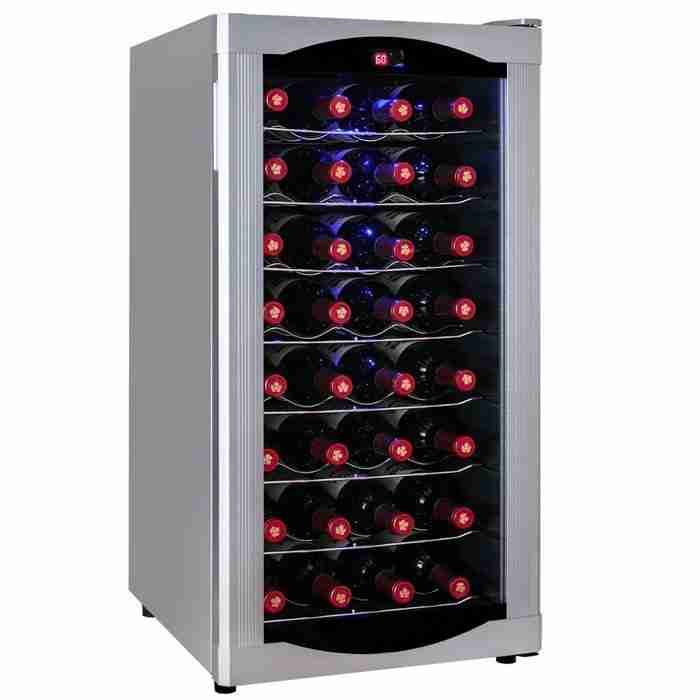
Wine Cooler Market Research Global Growth Trends Technology Innovation Future Demand Outlook
Introduction

The wine cooler industry is witnessing steady expansion as consumers increasingly focus on beverage preservation, lifestyle enhancement, and modern home appliances. Wine storage is no longer viewed as a niche requirement but as an essential part of premium living and hospitality experiences. Growing awareness about maintaining optimal temperature and humidity conditions for wine is driving demand across households, restaurants, hotels, and retail outlets. The market is evolving with a strong emphasis on design, performance, and energy efficiency.

Rising Consumer Awareness

One of the strongest factors influencing growth is the increasing awareness among consumers about wine preservation. Wine quality can be significantly affected by improper storage conditions, including temperature fluctuations and exposure to vibration. As more individuals develop an interest in wine tasting and collection, the need for dedicated storage systems has expanded. Consumers are now more willing to invest in appliances that ensure long-term preservation and enhance their overall experience.

Lifestyle and Urbanization Influence

Modern lifestyle changes, particularly in urban areas, are contributing significantly to the demand for wine coolers. Smaller living spaces have encouraged the adoption of compact and multifunctional appliances. At the same time, rising disposable incomes have increased spending on premium home interiors and entertainment setups. Wine coolers are now seen as both functional appliances and aesthetic additions to modern kitchens and living spaces, blending convenience with luxury.

Technological Advancements

Technological innovation has transformed the wine cooler industry in recent years. Advanced cooling systems now provide precise temperature control, ensuring that different types of wine are stored under ideal conditions. Multi-zone cooling technology allows users to store red, white, and sparkling wines separately. Improved insulation materials, low-noise compressors, and anti-vibration systems contribute to better preservation. Additionally, smart connectivity features are becoming increasingly popular, enabling users to monitor and control settings through mobile devices.

Commercial Demand Expansion

The commercial sector plays a crucial role in driving market demand. Restaurants, bars, hotels, and wine retailers rely heavily on wine coolers to maintain product quality and presentation. In hospitality environments, visual appeal is just as important as functionality, leading to increased demand for display-oriented cooling units. Businesses also prioritize durability and consistent performance, as commercial usage requires continuous operation without compromising quality.

Sustainability and Energy Efficiency

Sustainability has become a major consideration in product development. Manufacturers are focusing on reducing energy consumption while maintaining optimal cooling performance. Environmentally friendly refrigerants and improved insulation technologies are being used to minimize environmental impact. Consumers are also showing preference for energy-efficient appliances that help reduce electricity costs. This shift toward sustainable solutions is encouraging innovation across the industry.

Product Segmentation Trends

The market is broadly segmented based on size, installation type, and usage. Compact wine coolers are popular among urban households with limited space, while larger capacity units cater to collectors and commercial users. Built-in models are widely used in modern kitchen designs, whereas freestanding units offer flexibility in placement. Dual-zone and multi-zone systems are gaining traction due to their ability to store different wine varieties at optimal temperatures.

Regional Growth Patterns

Different regions are experiencing varied growth rates depending on cultural preferences, income levels, and consumption habits. Developed regions show steady demand due to established wine culture and higher purchasing power. In contrast, emerging markets are witnessing rapid growth as wine consumption becomes more popular and lifestyle preferences evolve. Urbanization and expanding retail networks are further supporting market penetration in these regions.

Competitive Landscape

The competitive environment is highly dynamic, with companies focusing on innovation, branding, and product differentiation. Manufacturers are investing in research and development to introduce advanced features such as touch controls, digital displays, and energy-saving technologies. Design innovation is also a key focus area, as consumers increasingly prefer stylish appliances that complement interior décor. Strong competition is encouraging continuous product improvement and diversification.

Distribution Channels

Wine coolers are distributed through multiple channels, including online platforms, specialty appliance stores, and direct commercial sales. Online channels are gaining significant traction due to convenience, product variety, and competitive pricing. Physical stores continue to play an important role by offering hands-on product experience and customer support. Direct sales are commonly used for commercial installations where customized solutions are required.

Pricing and Consumer Value

Pricing in the wine cooler industry varies based on capacity, features, and technology integration. Entry-level models are affordable and cater to basic storage needs, while premium models with advanced features command higher prices. Consumers are increasingly evaluating products based on long-term value, energy efficiency, and durability rather than just initial cost. This shift is encouraging manufacturers to focus on quality and performance.
Learn more about - https://www.pristinemarketinsi....ghts.com/wine-cooler

image
Like
Comment
Share
Minal Dixit profile picture Minal Dixit profile picture
Minal Dixit
4 d - Translate

White Goods Market Shifts Transforming Consumer Demand Technology Industry Growth
Introduction

The white goods industry, which includes major household appliances such as refrigerators, washing machines, dishwashers, air conditioners, and ovens, is experiencing significant transformation. Changing consumer lifestyles, technological innovation, sustainability concerns, and evolving purchasing behaviors are reshaping the market landscape. As households increasingly seek convenience, energy efficiency, and smart functionality, manufacturers are adapting their strategies to meet new expectations. These developments are creating notable opportunities and challenges across the global white goods sector.

Rising Demand for Smart Appliances

One of the most significant changes in the industry is the growing demand for smart home appliances. Consumers are increasingly interested in products that can connect to mobile devices, provide remote control capabilities, and integrate with broader smart home ecosystems. Features such as voice control, automated settings, and real-time performance monitoring are becoming key purchasing factors. This trend is encouraging manufacturers to invest heavily in digital technologies and connected appliance solutions.

Focus on Energy Efficiency

Energy efficiency has become a major priority for consumers and manufacturers alike. Rising electricity costs and increased environmental awareness are driving demand for appliances that consume less energy while maintaining high performance. Manufacturers are developing products with advanced energy-saving technologies, improved insulation systems, and intelligent operating modes. As sustainability becomes more important in purchasing decisions, energy-efficient appliances are gaining a stronger position in the market.

Evolving Consumer Preferences

Consumer expectations have shifted considerably in recent years. Modern buyers are looking for appliances that offer convenience, durability, and aesthetic appeal. Compact designs, multifunctional capabilities, and user-friendly interfaces have become increasingly popular. Urbanization and smaller living spaces are also influencing product design, encouraging manufacturers to develop appliances that maximize functionality while minimizing space requirements. These evolving preferences continue to shape product innovation and marketing strategies.

Growth of Online Retail Channels

The expansion of e-commerce has significantly altered the way consumers purchase white goods. Online platforms provide customers with access to extensive product information, reviews, and competitive pricing. Consumers can compare features and make informed purchasing decisions without visiting physical stores. As digital shopping becomes more common, manufacturers and retailers are strengthening their online presence and enhancing digital customer experiences through virtual demonstrations, personalized recommendations, and convenient delivery options.

Sustainability Influencing Industry Decisions

Environmental responsibility is becoming a central focus across the white goods industry. Manufacturers are increasingly adopting sustainable production methods and utilizing recyclable materials to reduce environmental impact. Product longevity, repairability, and resource efficiency are gaining attention as consumers seek environmentally responsible choices. Companies that successfully integrate sustainability into their operations are strengthening their brand image and attracting environmentally conscious buyers.

Technological Innovation Driving Competition

Innovation remains a critical factor in maintaining competitiveness within the industry. Advances in artificial intelligence, sensor technology, and automation are enhancing appliance functionality and performance. Smart refrigerators can monitor food inventory, washing machines can optimize water usage, and air conditioners can automatically adjust settings based on room conditions. These innovations not only improve convenience but also create differentiation in a highly competitive market environment.

Supply Chain and Manufacturing Adjustments

Global supply chain developments have encouraged manufacturers to rethink sourcing and production strategies. Companies are investing in more resilient supply networks, local manufacturing capabilities, and advanced inventory management systems. The ability to maintain product availability while controlling costs has become increasingly important. These operational adjustments are influencing market dynamics and shaping long-term industry strategies.
Learn more about - https://www.pristinemarketinsi....ghts.com/white-goods

White Goods Market Trends, Growth, Size, Share, Forecast 2024-34

Discover the future of the white goods market with our comprehensive research report, offering insights into key trends, growth drivers, and forecasts for the next decade. Understand how technological and consumer shifts will shape the industry.
Like
Comment
Share
 Load more posts
    Info
    • Male
    • posts 39
  • 30-11-00
  • Living in India
    Albums 
    (0)
    Following 
    (3)
    Followers 
    (49)
    Likes 
    (1)
    Groups 
    (0)

© 2026 PureKonect™

Language

  • About
  • Directory
  • Blog
  • Contact Us
  • Developers
  • More
    • Privacy Policy
    • Terms of Use
    • Request a Refund

Unfriend

Are you sure you want to unfriend?

Report this User

Important!

Are you sure that you want to remove this member from your family?

You have poked Rahul3011

New member was successfully added to your family list!

Crop your avatar

avatar

Enhance your profile picture


© 2026 PureKonect™

  • Home
  • About
  • Contact Us
  • Privacy Policy
  • Terms of Use
  • Request a Refund
  • Blog
  • Developers
  • Language

© 2026 PureKonect™

  • Home
  • About
  • Contact Us
  • Privacy Policy
  • Terms of Use
  • Request a Refund
  • Blog
  • Developers
  • Language

Comment reported successfully.

Post was successfully added to your timeline!

You have reached your limit of 5000 friends!

File size error: The file exceeds allowed the limit (9 GB) and can not be uploaded.

Your video is being processed, We’ll let you know when it's ready to view.

Unable to upload a file: This file type is not supported.

We have detected some adult content on the image you uploaded, therefore we have declined your upload process.

Share post on a group

Share to a page

Share to user

Your post was submitted, we will review your content soon.

To upload images, videos, and audio files, you have to upgrade to pro member. Upgrade To Pro

Edit Offer

0%

Add tier


Select an image
Delete your tier
Are you sure you want to delete this tier?

Reviews

In order to sell your content and posts, start by creating a few packages. Monetization

Pay By Wallet

Add Package

Delete your address

Are you sure you want to delete this address?

Remove your monetization package

Are you sure you want to delete this package?

Unsubscribe

Are you sure you want to unsubscribe from this user? Keep in mind that you won't be able to view any of their monetized content.

Payment Alert

You are about to purchase the items, do you want to proceed?
Request a Refund

Language

  • Arabic
  • Bengali
  • Chinese
  • Croatian
  • Danish
  • Dutch
  • English
  • Filipino
  • French
  • German
  • Hebrew
  • Hindi
  • Indonesian
  • Italian
  • Japanese
  • Korean
  • Persian
  • Portuguese
  • Russian
  • Spanish
  • Swedish
  • Turkish
  • Urdu
  • Vietnamese