
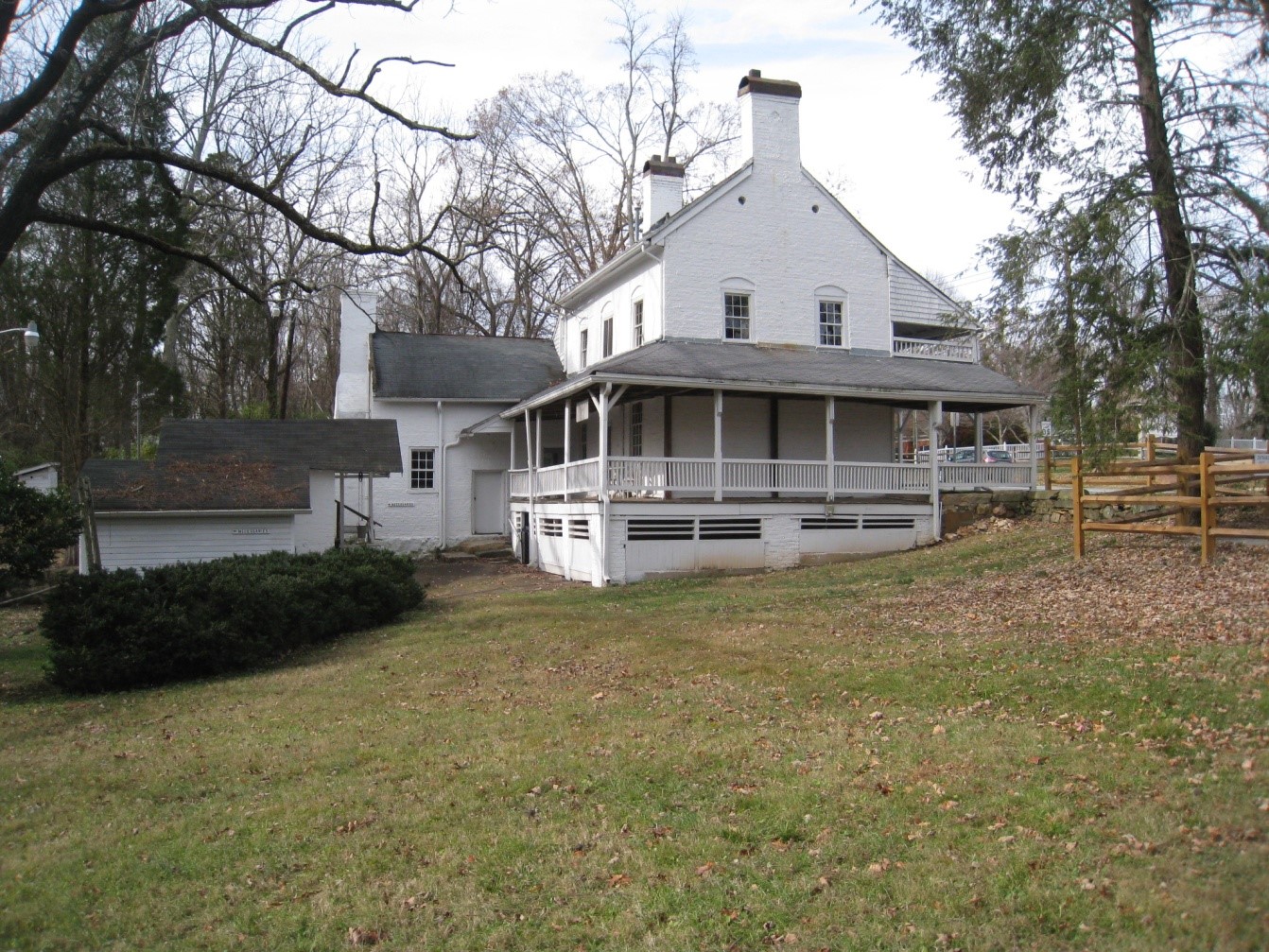
This house, buildings around it, and the grounds themselves hold stories of a past that left a mark in many ways to shaped both past and present—stories of people who have touched lives through their contributions to education, human rights, industry, and more. As a pebble tossed into water, the ripples of influence continue to spread.


This home tells stories of its own—and raises questions for us to ponder.
Built in stages on sloping ground, this house inspires one’s fascination.
Follow the stone walk to the door. Step inside.
Why are so many rooms joined by steps?
And why does an upstairs door open to nothing but air?

Shallow corner stairs waste no space but create a challenging climb
for a mother wearing long skirts and carrying a child in her arms.
Why were stairs built so narrow, so steep?
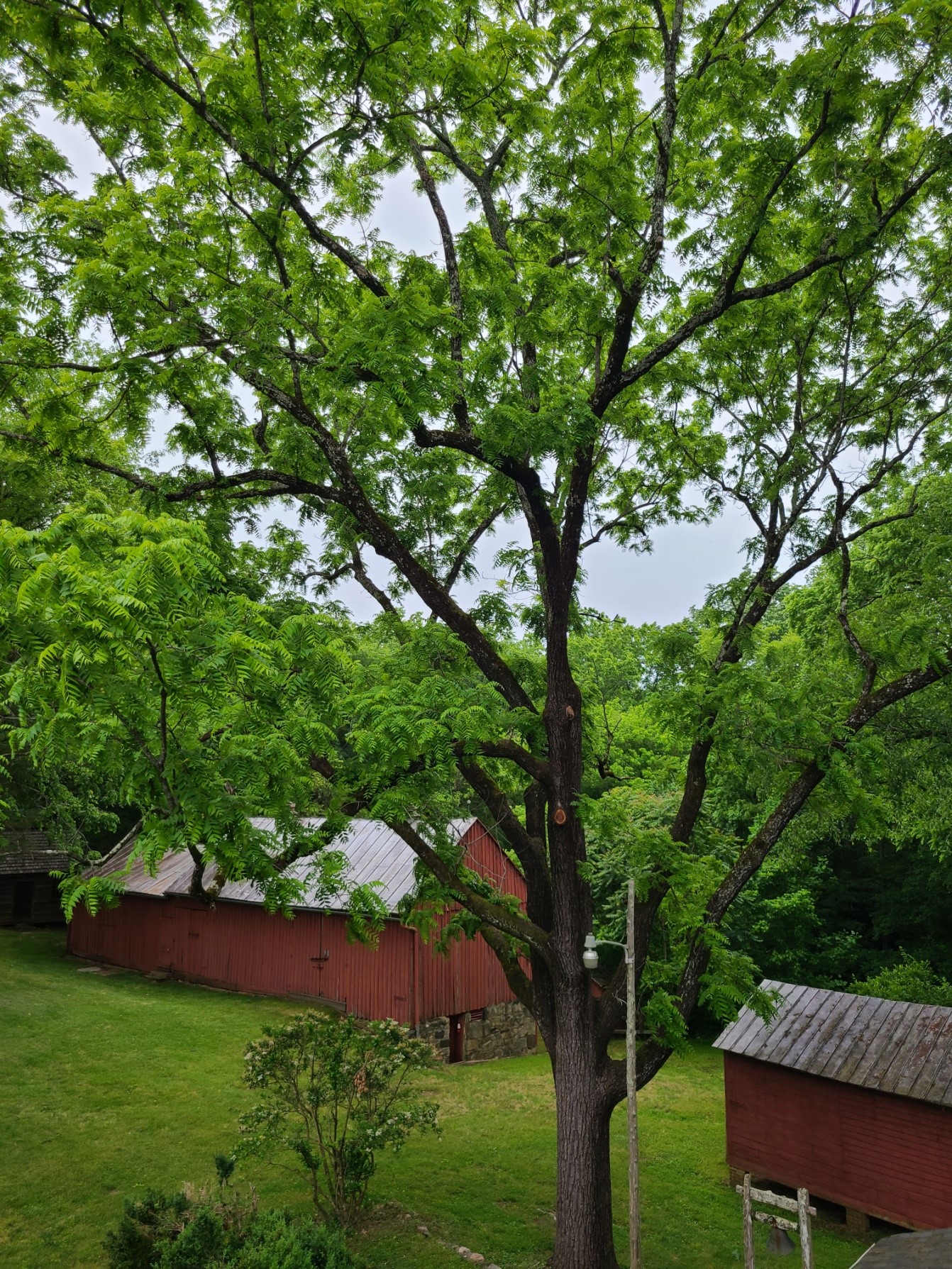
Near the house, towering walnut trees rise
above the bank barn, corn crib, and other buildings.
Why plant so many walnut trees?
A tanner like Richard Mendenhall would have known.
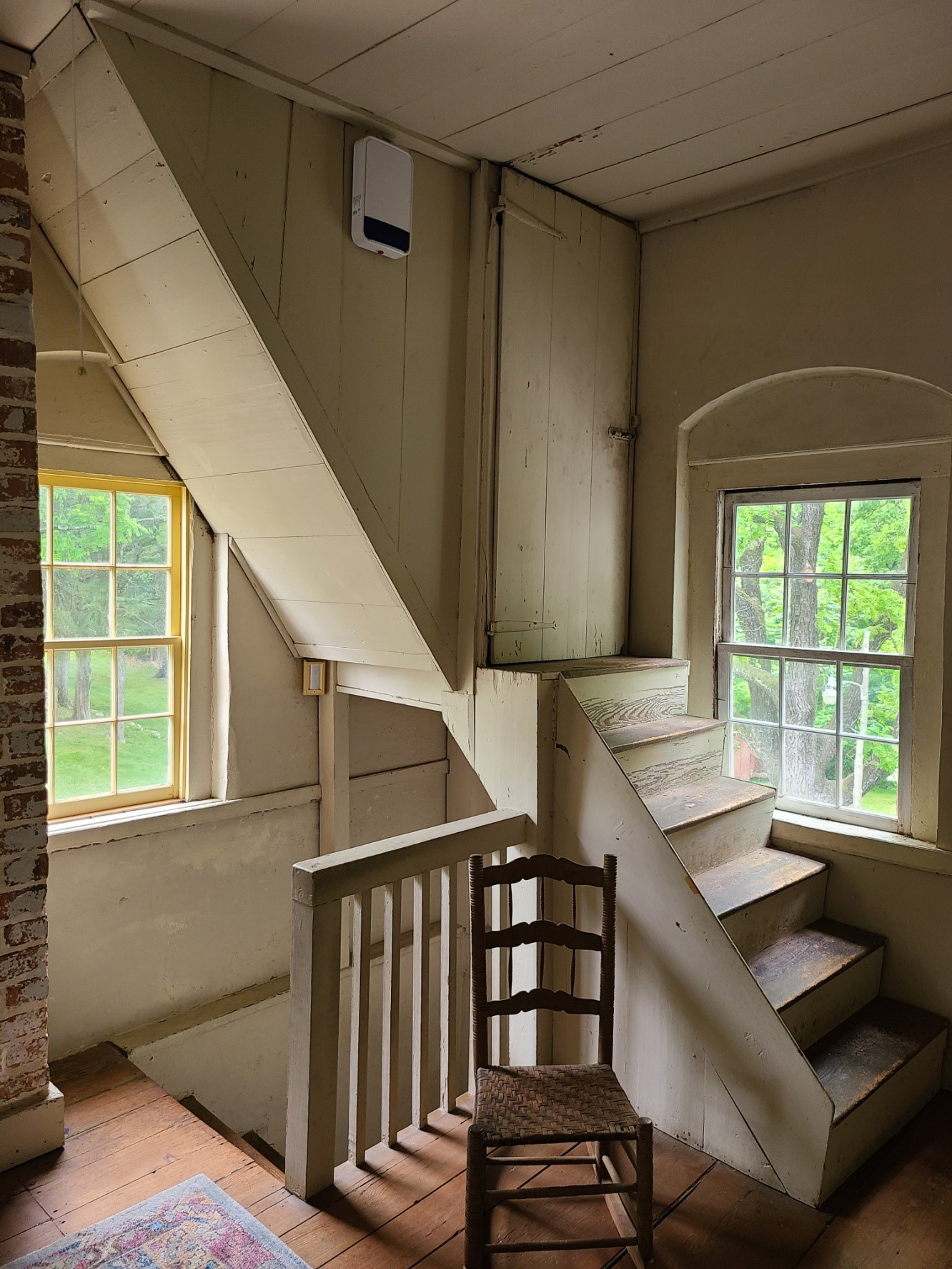
Stairs above stairs…leading where?

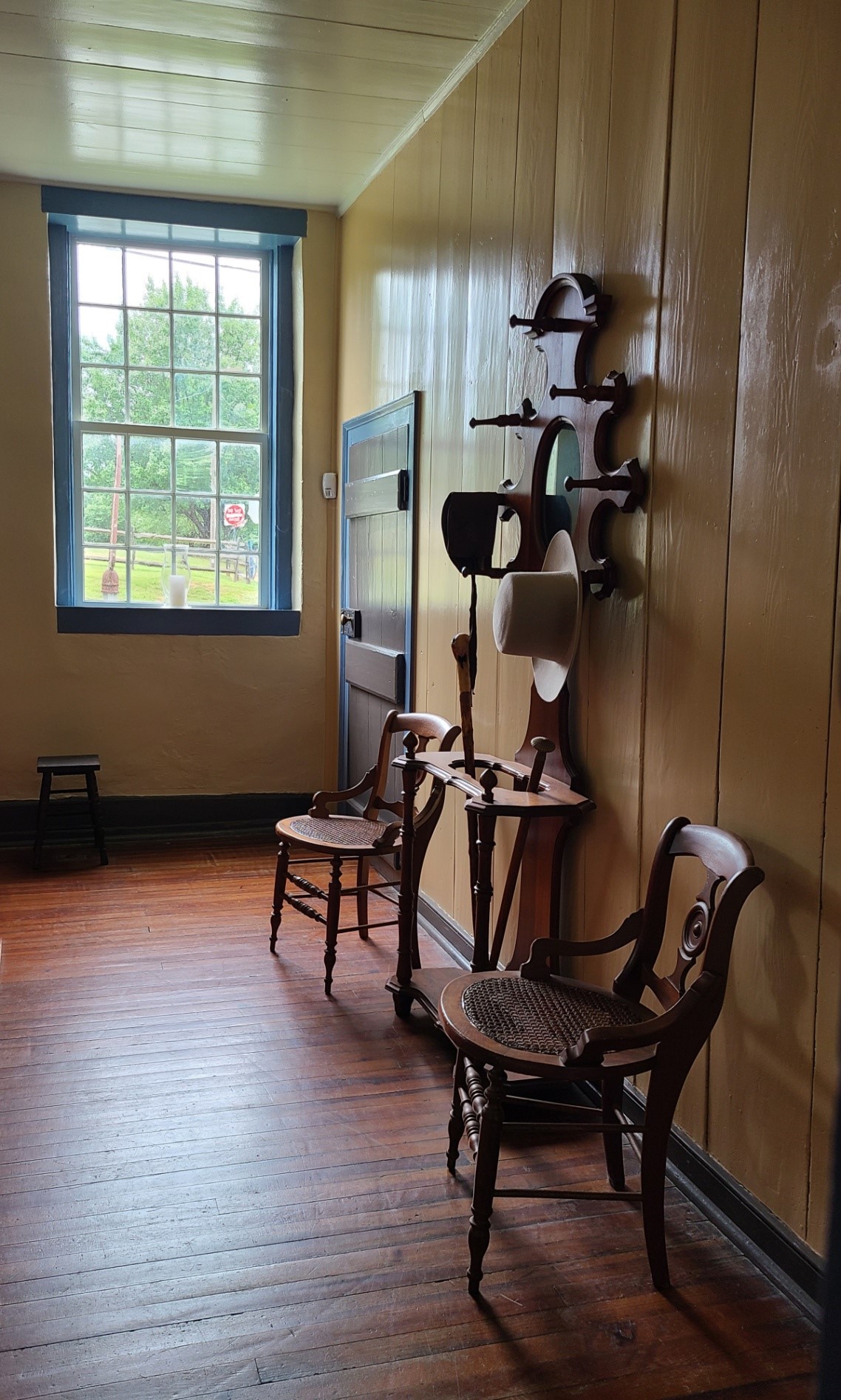
Who would have worn hats such as these?

Why does this parlor hold such a fancy sofa and chairs --among Quakers who valued “simple”?
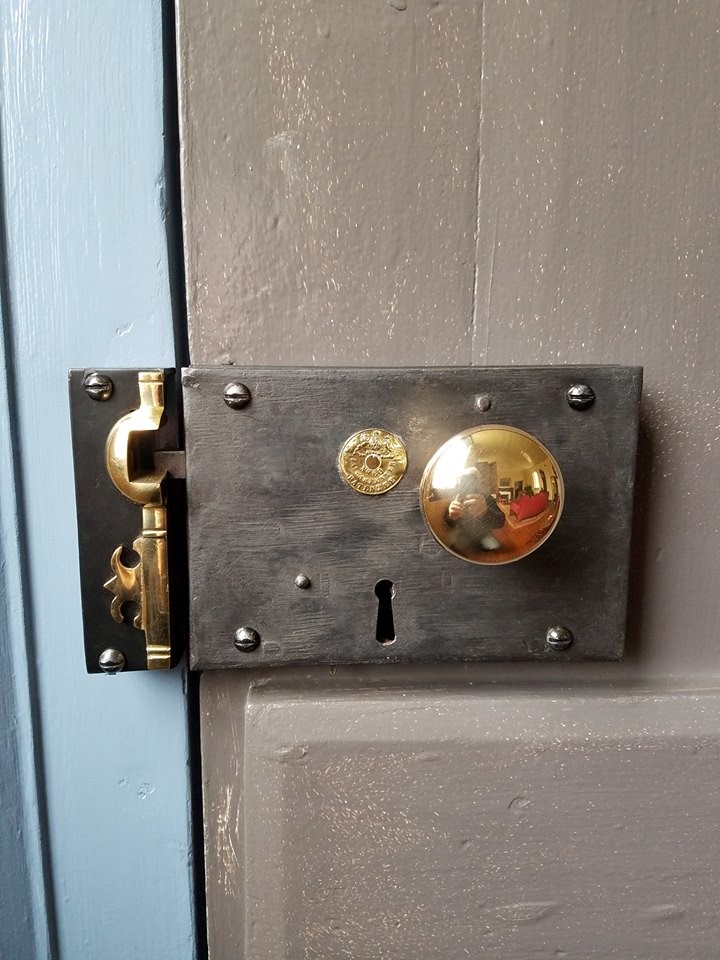
The restored carpenter lock in the new parlor at the Mendenhall House
is polished and ready to welcome guests.
What guests might have entered these doors?

Imagine Mary Pegg Mendenhall, who raised silkworms and sold their fine silk,
but who wove strong fabric on this massive loom.
Can you picture her moving her shuttle left and right, again and again,
weaving warp and woof into sturdy cloth?
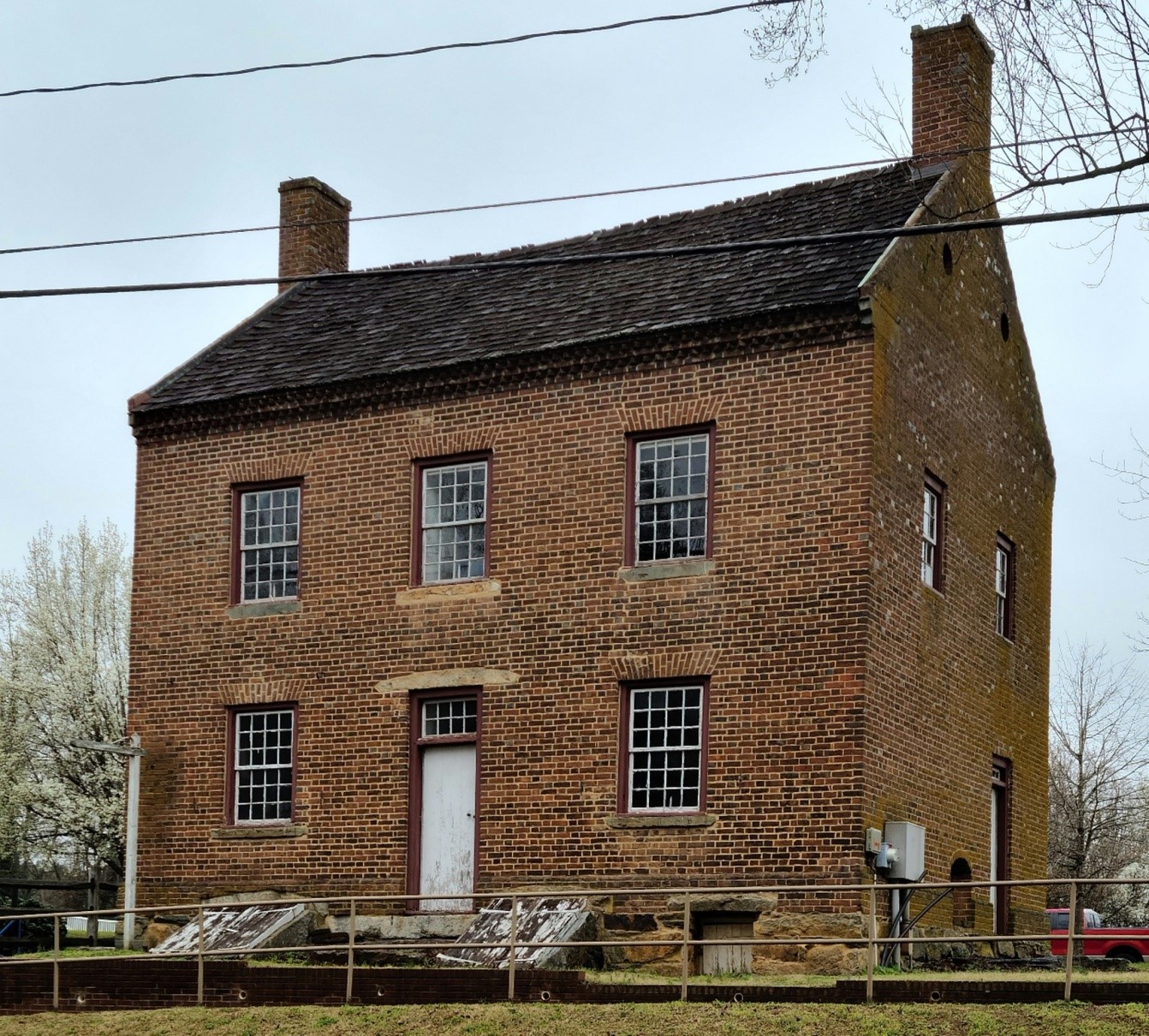
What goods might a tanner have sold in his store?


Long ago, a Mendenhall daughter taught at this school, which stood near the Mendenhall home.
What lessons do you think she taught,
and who would have been her pupils?
Through generations, the Mendenhalls have engaged in
education—from first lessons to advanced studies—
for those denied education to those more privileged.
Can you name colleges that developed with Mendenhall influence and support?

James Mendenhall, for whom Jamestown was named, left Pennsylvania in 1759 and settled here along Deep River, where he set up a mill.
What could have led his decision to make such a move?
His son, George C. Mendenhall, remained at this site, now under High Point City Lake; but in low-water periods, you might notice stone foundations along the lake’s edge.

A bed key on the crazy quilt is used to tighten ropes
supporting a mattress filled with straw or feathers.
Sleep tight, and don’t let….
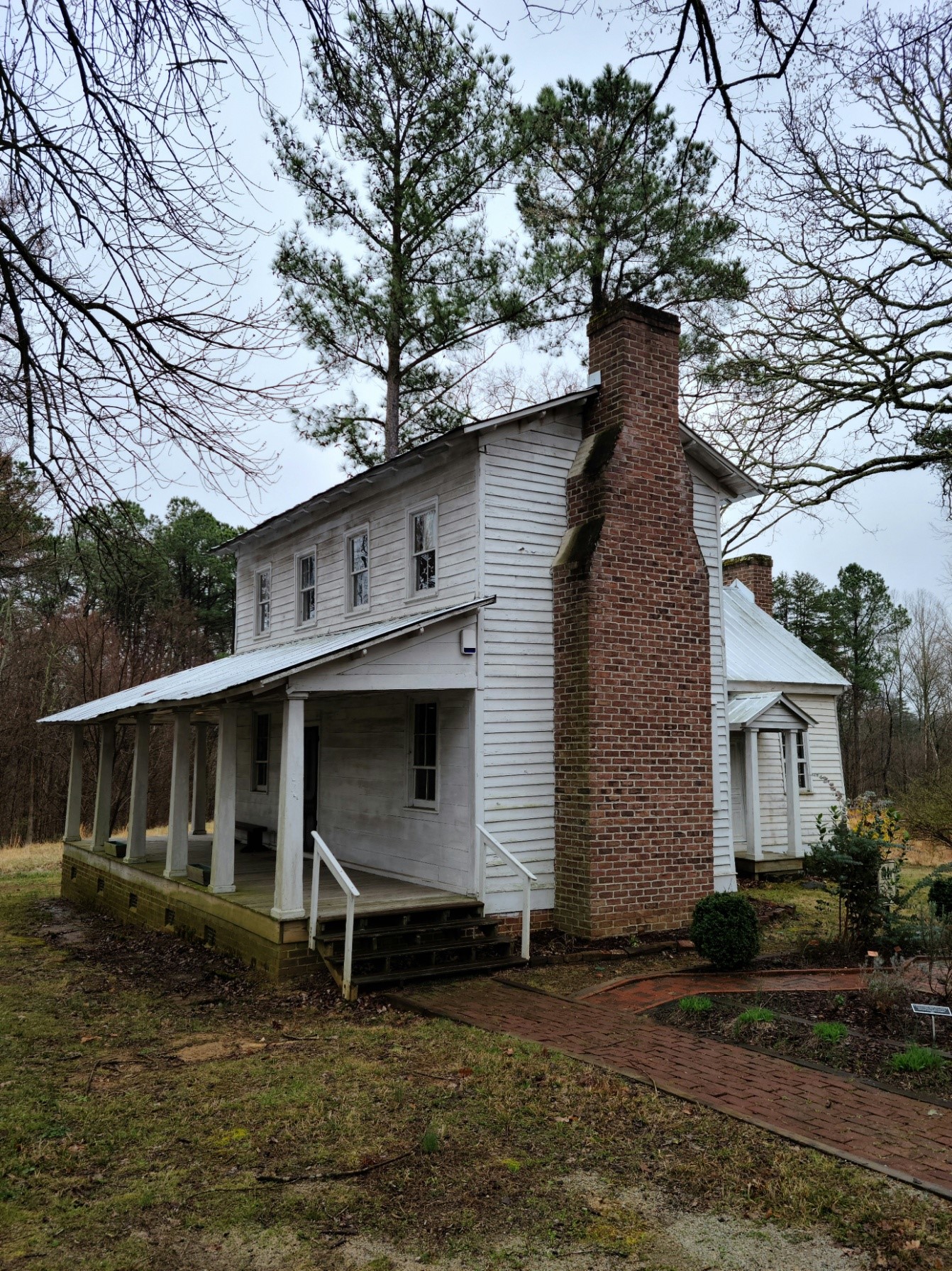
The home of Dr. Madison Lindsay also housed his medical school,
not the only early medical school in Jamestown’s history.
What healing herbs from the garden might he have used?

You’ll find farm tools, a cobbler’s tools, a whet stone, a “hog’s head,” carriages, a birch bark canoe, a false-bottom wagon, and much more.


The names of hidden passengers are unknown, but they and those who held the reins from South to North knew not only the price of freedom but also its value.
Imagine lying in an enclosed wagon—riding long distances, dreaming of freedom.


Today, folks gather to learn, enjoy, and celebrate history.
Join us for a tour and for events such as Fiber Arts Day, Village Fair, and more.