
21 Easy Maximalist Kitchen Ideas for a Bold and Vibrant Space
Maximalism in the kitchen is a bold celebration of personality, creativity, and confidence. In a world that has long leaned toward pared-back, neutral interiors, the maximalist kitchen proudly declares that more really is more. This design approach invites colour, pattern, texture, and character to take centre stage, turning the heart of the home into a space that feels expressive, layered, and full of life. Instead of playing it safe, maximalist kitchens lean into visual drama, mixing statement finishes with unexpected details that spark joy every time you step inside.
At its core, maximalist kitchen design is about embracing richness. Think vibrant cabinet colours, patterned backsplashes, mixed materials, eye-catching lighting, and eclectic décor that tells a story. It is not about clutter, but curated abundance, where every element feels intentional and contributes to the overall aesthetic. When done well, maximalism creates a kitchen that feels warm, welcoming, and deeply personal rather than overwhelming.
In this guide, you will discover 21 maximalist kitchen ideas designed to inspire and empower you to break design rules with confidence. From bold colour choices to creative styling tips, these ideas will help you transform your kitchen into a space that reflects your personality while remaining functional, stylish, and unforgettable.
For a deeper guide, explore these maximalist kitchen ideas with more styling details, colour combinations, and layout tips.
Why Choose a Maximalist Kitchen?
Choosing a maximalist kitchen is about creating a space that feels alive, expressive, and uniquely yours. One of the biggest benefits of maximalism is personality. Unlike neutral, understated kitchens, a maximalist approach allows your tastes, travels, and lifestyle to shine through colour, pattern, and curated details.
Vibrant palettes, layered textures, and statement pieces inject energy into the room, making the kitchen feel less like a purely functional zone and more like a true social hub of the home.
Maximalism also supports functional creativity, allowing you to combine open shelving, decorative storage, and practical features in ways that are both useful and visually striking.
In contrast, minimalist kitchens focus on restraint, clean lines, and simplicity. While they can feel calm and polished, many homeowners now find them cold, impersonal, or overly safe. This shift in sentiment is one reason maximalism is trending.
People want homes that feel warm, lived-in, and reflective of real life rather than showroom perfection. The rise of bold interiors on social media has also encouraged homeowners to take more creative risks.
A maximalist kitchen invites you to embrace individuality and design without fear. There are no rigid rules, only thoughtful layering and confident choices that turn your kitchen into a space that feels authentic, joyful, and unapologetically bold.
Key Elements of Maximalist Kitchens
The foundation of a successful maximalist kitchen lies in its fearless use of colour, pattern, texture, and expressive design elements. Colour palettes often revolve around rich jewel tones such as emerald green, sapphire blue, ruby red, or deep plum, layered with vibrant contrasts and unexpected pairings.
Rather than relying on a single shade, maximalist kitchens build depth by combining multiple colours across cabinetry, walls, islands, and accents, creating a space that feels dynamic and intentional.
Patterns and textures play an equally important role. Patterned tiles, bold backsplashes, and decorative wallpapers instantly add visual interest and personality. Mixing finishes such as glossy tiles with matte cabinetry, or stone surfaces with soft textiles, creates a tactile richness that prevents the space from feeling flat.
Fabrics also matter more than many expect, from patterned café curtains to upholstered bar stools or layered runners.
Statement furniture anchors the design. Bold cabinetry in striking colours or finishes becomes a focal point, while open shelving allows curated collections to be displayed as part of the décor. Vintage or ornate pieces, such as freestanding dressers, antique sideboards, or decorative range hoods, introduce character and a sense of history that balances modern functionality.
Accessories and décor bring the entire look together. Eclectic dishware, framed artwork, colourful rugs, and sculptural lighting fixtures add layers of interest and reinforce the maximalist spirit. Each piece should feel purposeful, contributing to a kitchen that is expressive, personal, and visually rich without feeling chaotic.
You May also Like: 25 Open Kitchen Living Rooms ideas That Feel Stylish, Spacious, and Effortlessly Connected
21 Easy Maximalist Kitchen Ideas Over view
Maximalist kitchens celebrate bold expression, creative layering, and unapologetic style, making them perfect for homeowners who want their space to feel vibrant and personal. From rich colours and dramatic patterns to statement furniture and eye-catching décor, maximalism turns the kitchen into more than just a place to cook.
It becomes a design feature in its own right. The following 21 maximalist kitchen ideas showcase inspiring ways to mix colour, texture, and personality while still maintaining a functional and inviting space.
Jewel-Toned Cabinets
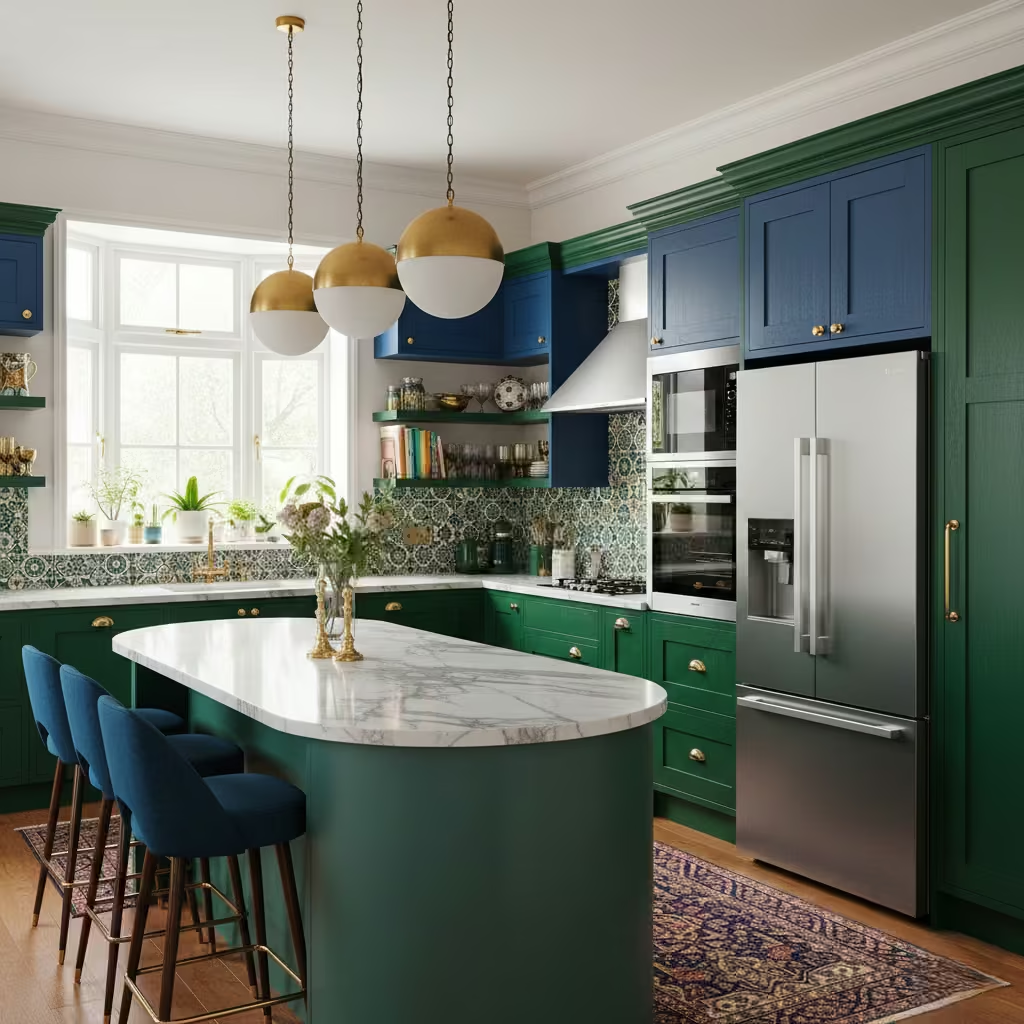
Jewel-toned cabinets are a defining feature of maximalist kitchen design, instantly adding depth, drama, and a sense of luxury. Shades such as emerald green, sapphire blue, deep teal, ruby red, or rich amethyst create a bold foundation that sets the tone for the entire space.
These colours work particularly well in kitchens because they feel grounded yet expressive, especially when paired with contrasting hardware in brass, gold, or matte black. I often recommend jewel tones to homeowners who want colour without sacrificing sophistication, as they feel timeless rather than trendy.
To enhance the maximalist effect, consider using different finishes across upper and lower cabinets or introducing a contrasting island colour. Layering jewel-toned cabinetry with marble, wood, or patterned tiles prevents the space from feeling heavy and adds visual balance.
When styled thoughtfully, jewel-toned cabinets become a statement that feels confident, inviting, and effortlessly bold rather than overwhelming.
Patterned Backsplash Walls
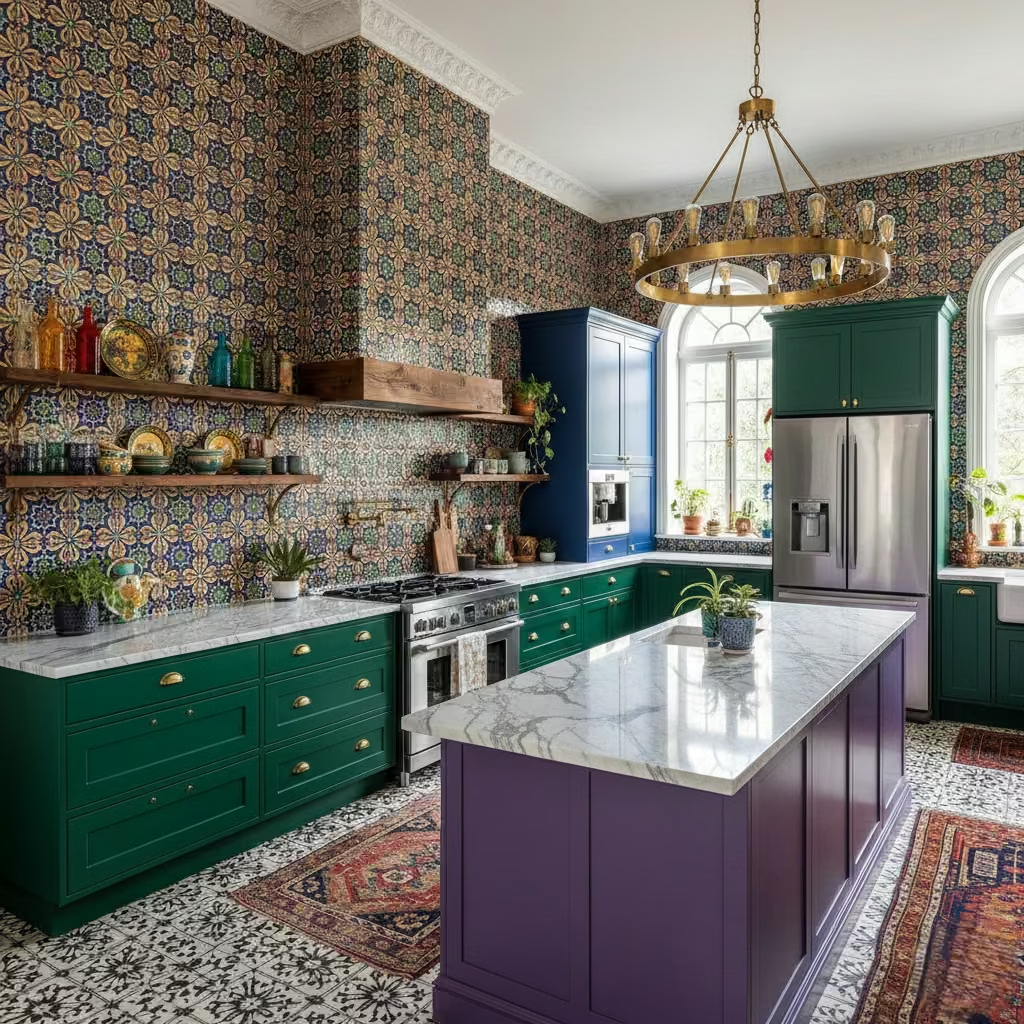
A patterned backsplash wall is one of the most impactful ways to introduce maximalism into the kitchen. Whether through bold ceramic tiles, intricate mosaics, or graphic geometric patterns, a statement backsplash instantly draws the eye and adds character. In maximalist kitchens, backsplashes are not just functional surfaces but key design features.
I like using patterned tiles that incorporate multiple colours, as they help tie together cabinetry, countertops, and accessories. Extending the backsplash higher than standard height, or even across an entire wall, amplifies the dramatic effect and creates a cohesive look. Mixing patterns with simpler surrounding elements ensures the design feels intentional rather than chaotic.
Patterned backsplash walls also allow homeowners to experiment with bold design choices in a controlled way, making them ideal for those new to maximalism. The result is a kitchen that feels lively, expressive, and visually layered.
Open Shelving with Eclectic Dishware
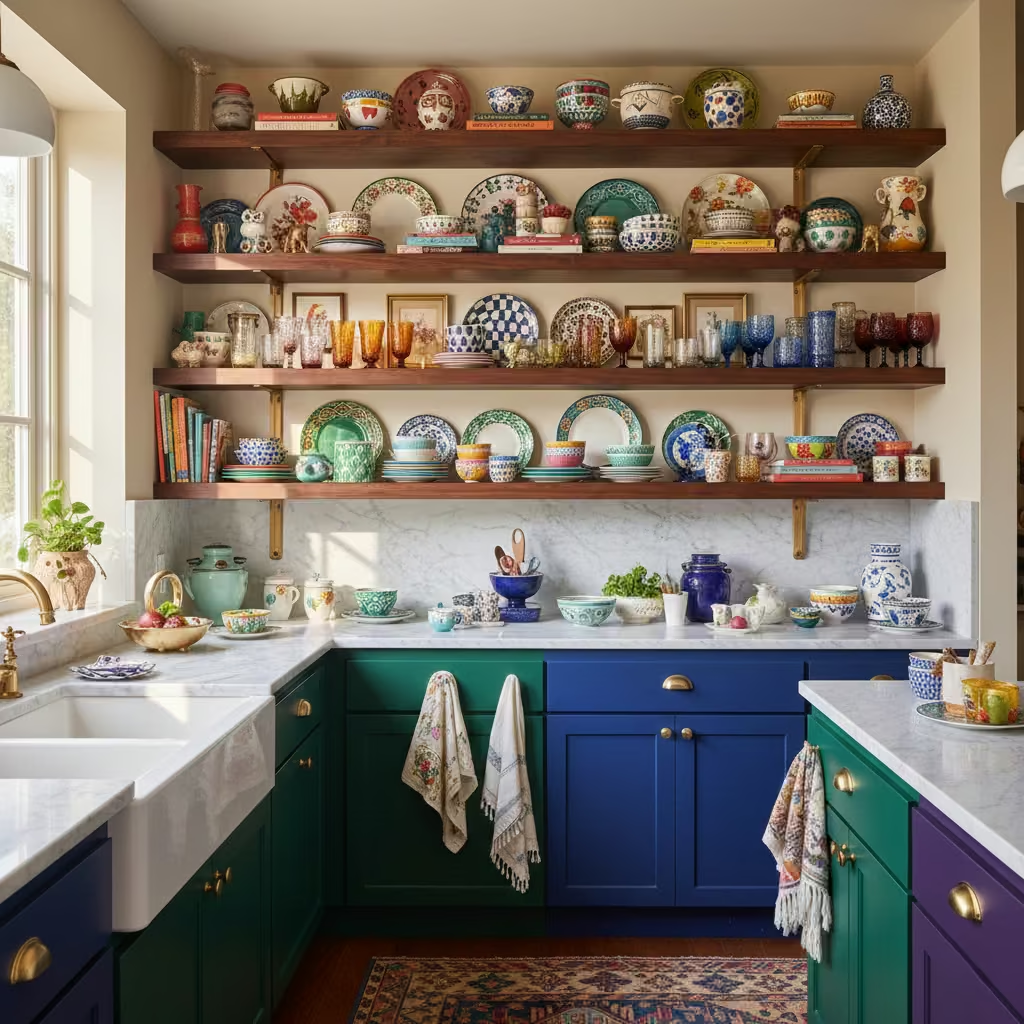
Open shelving is a natural fit for maximalist kitchens, offering the perfect opportunity to display personality through eclectic dishware. Instead of hiding everything behind cabinet doors, open shelves allow colourful plates, patterned bowls, vintage glassware, and collected pieces to become part of the décor. I always recommend treating open shelving like a curated display rather than simple storage.
Mixing shapes, colours, and textures creates visual interest while still feeling cohesive when unified by a loose colour palette or theme. Layering items, such as leaning plates behind stacked bowls or mixing artwork with functional pieces, enhances the maximalist feel. Open shelving also makes kitchens feel more lived-in and welcoming, striking a balance between practicality and design.
When styled thoughtfully, eclectic dishware on open shelves adds warmth, creativity, and a sense of storytelling that elevates the entire kitchen space.
Statement Lighting Fixtures

Statement lighting fixtures are essential in maximalist kitchens, acting as both functional elements and sculptural focal points. Oversized pendants, dramatic chandeliers, or uniquely shaped fixtures instantly elevate the space while reinforcing a bold design narrative.
I often use lighting to anchor the kitchen visually, especially above islands or dining zones, where it naturally draws attention. Materials such as brass, glass, coloured metal, or even fabric shades add texture and depth, while layered lighting creates atmosphere. Combining statement pendants with under-cabinet lighting or wall sconces ensures the kitchen remains practical without losing visual impact.
In a maximalist setting, lighting is not meant to blend in. It should command attention, spark conversation, and complement surrounding colours and patterns. When chosen with intention, statement lighting fixtures bring drama, warmth, and personality, transforming the kitchen into a truly expressive space.
Bold Island Designs

A bold kitchen island serves as the heart of a maximalist kitchen, offering the perfect opportunity to experiment with colour, texture, and scale. Instead of blending with the rest of the cabinetry, maximalist islands often stand out through contrasting colours, statement materials, or sculptural shapes.
I love using islands as a creative anchor, whether through richly coloured cabinetry, patterned panels, or decorative legs that feel more like furniture than standard kitchen units. Oversized islands with seating, integrated storage, or display shelving enhance both function and visual presence. Pairing a bold island with eye-catching lighting or distinctive bar stools further strengthens its impact.
In maximalist kitchens, the island is not just a workspace. It becomes a central design feature that encourages gathering, conversation, and confident self-expression.
You May also Like: 25 White Kitchen Designs That Blend Style and Function
Mixed-Material Countertops

Mixed-material countertops add depth and visual intrigue, making them a natural choice for maximalist kitchens. Rather than relying on a single surface throughout, combining materials such as marble, quartz, wood, concrete, or metal creates layered contrast.
I often recommend using one material on the main perimeter and a different one on the island to subtly define zones within the kitchen. This approach adds richness without overwhelming the space. Textural contrast is key, pairing smooth polished stone with warm wood or matte finishes for balance.
Mixed materials also allow homeowners to prioritise functionality, choosing durable surfaces where needed and more decorative options in feature areas. When thoughtfully combined, mixed-material countertops reinforce the maximalist philosophy by celebrating variety, craftsmanship, and intentional design choices.
Gallery Wall of Kitchen Art
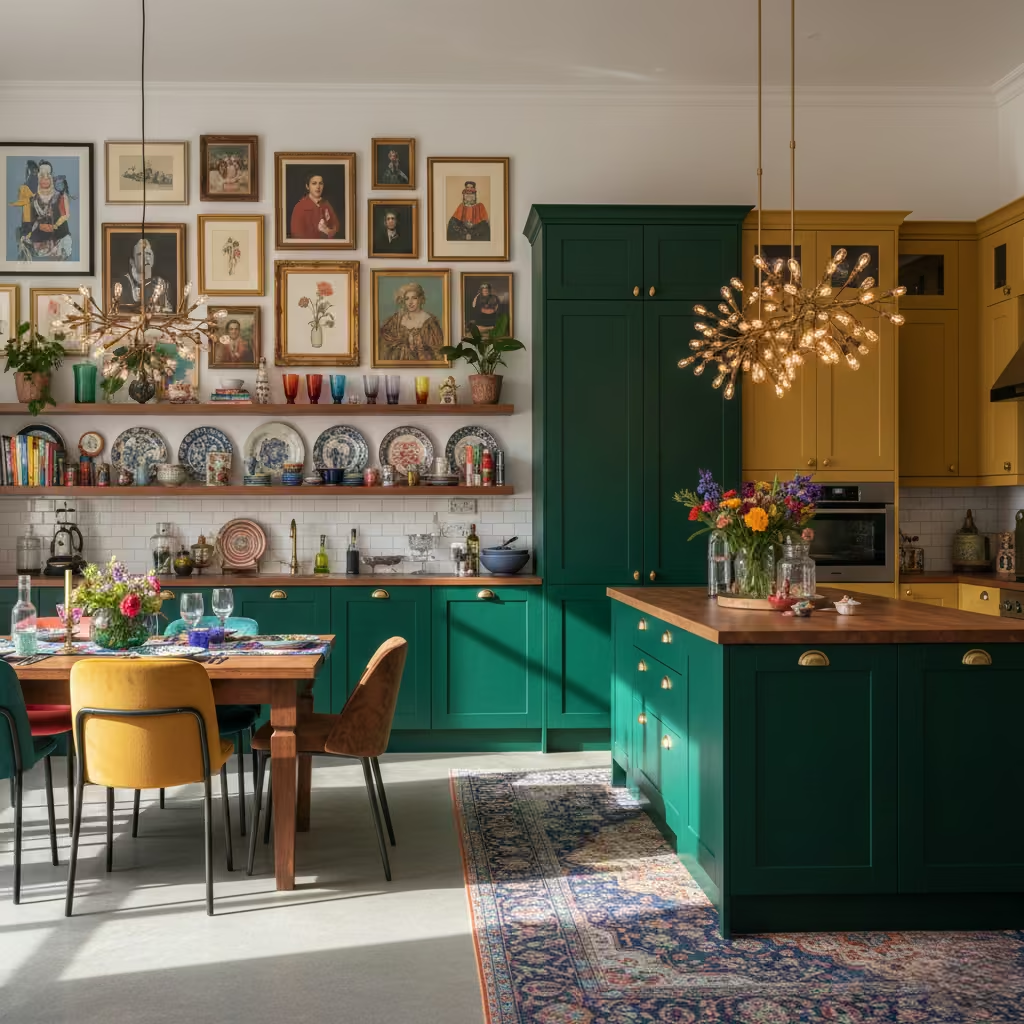
A gallery wall of kitchen art is a powerful way to inject personality and storytelling into a maximalist kitchen. Artwork transforms blank walls into expressive focal points, allowing you to showcase prints, paintings, photographs, or even framed textiles that reflect your style.
I recommend mixing frame sizes, styles, and finishes for a collected, layered look rather than a perfectly uniform arrangement. Themes can be loose, from food-inspired illustrations to abstract art or vintage posters, all tied together through colour or mood. Positioning a gallery wall near a breakfast nook, dining area, or along an open wall keeps it visible without disrupting workflow.
In maximalist kitchens, art should feel intentional yet relaxed, adding warmth, creativity, and visual depth that makes the space feel lived-in and uniquely yours.
Vibrant Rugs or Floor Patterns

Vibrant rugs or patterned flooring instantly ground a maximalist kitchen while adding colour and texture underfoot. A bold runner or area rug can introduce pattern in a way that feels flexible and low commitment, perfect for homeowners easing into maximalism.
I often suggest richly patterned rugs with layered colours to connect cabinetry, walls, and accessories. For a more permanent statement, patterned tiles or painted floors create visual drama and a strong design foundation.
Durability and easy maintenance are key, especially in high-traffic kitchen areas. When chosen thoughtfully, vibrant rugs and floor patterns bring warmth, movement, and cohesion, turning the floor into an integral part of the overall design rather than a forgotten surface.
Vintage Appliances as Décor
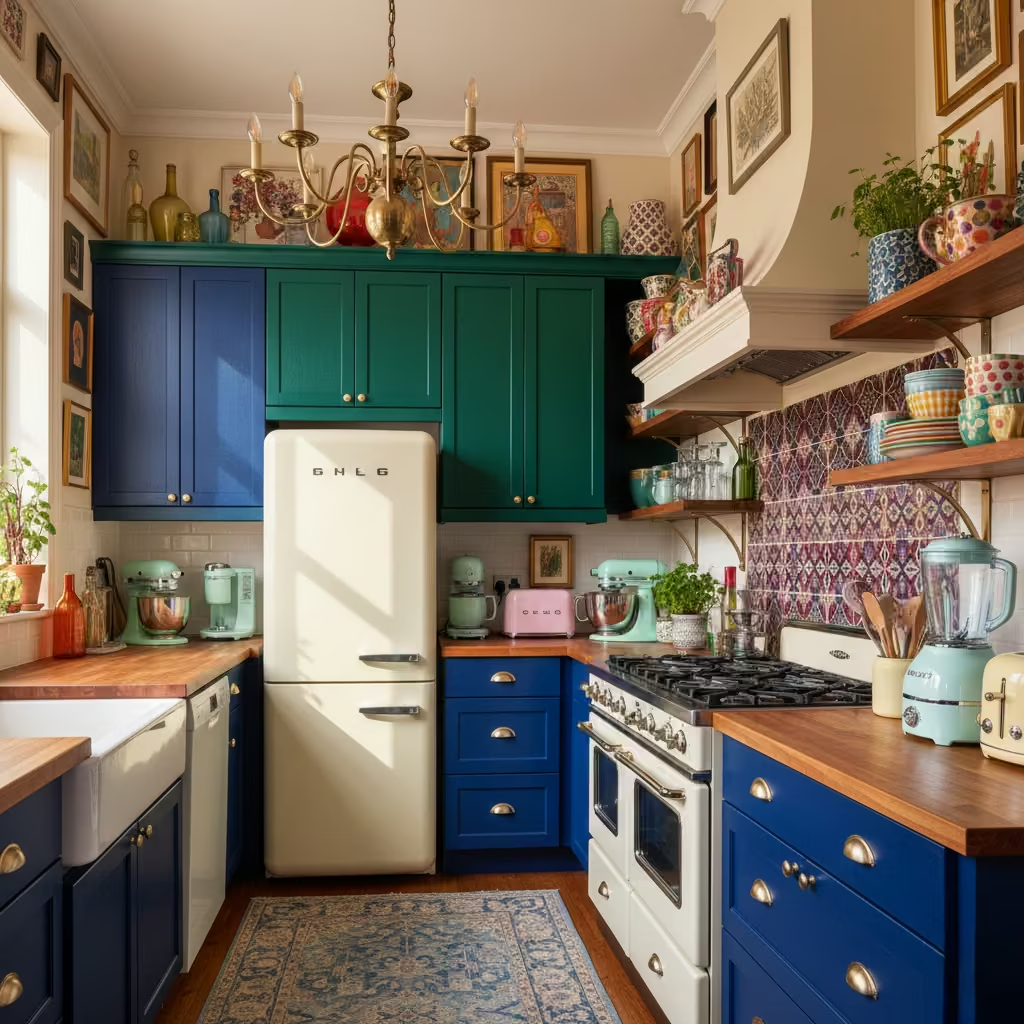
Vintage appliances add charm, character, and nostalgia to a maximalist kitchen, functioning as both practical tools and decorative statements. Retro-style fridges, ranges, or small appliances introduce colour, curves, and personality that modern designs often lack.
I love incorporating vintage-inspired pieces in bold hues or classic pastels, as they soften the space and create a playful contrast against contemporary finishes. Even small appliances, such as mixers or kettles, can act as décor when displayed on countertops or open shelves.
Vintage appliances work particularly well in eclectic kitchens, blending old and new for a layered, collected feel. The result is a kitchen that feels expressive, inviting, and rich in visual interest.
Colourful Bar Stools

Colourful bar stools are a simple yet impactful way to add vibrancy to a maximalist kitchen. Positioned around an island or breakfast bar, they naturally draw the eye and introduce contrast against cabinetry and countertops.
I often use bar stools to echo colours found elsewhere in the space, whether through upholstery, painted finishes, or mixed materials. Bold hues, patterned fabrics, or sculptural shapes reinforce the maximalist aesthetic while maintaining functionality. Mixing different stool designs can also work beautifully when united by a shared colour palette.
Colourful bar stools encourage a relaxed, social atmosphere and help transform the kitchen into a lively gathering space that feels both stylish and welcoming.
Glass-Front Cabinets with Curated Items
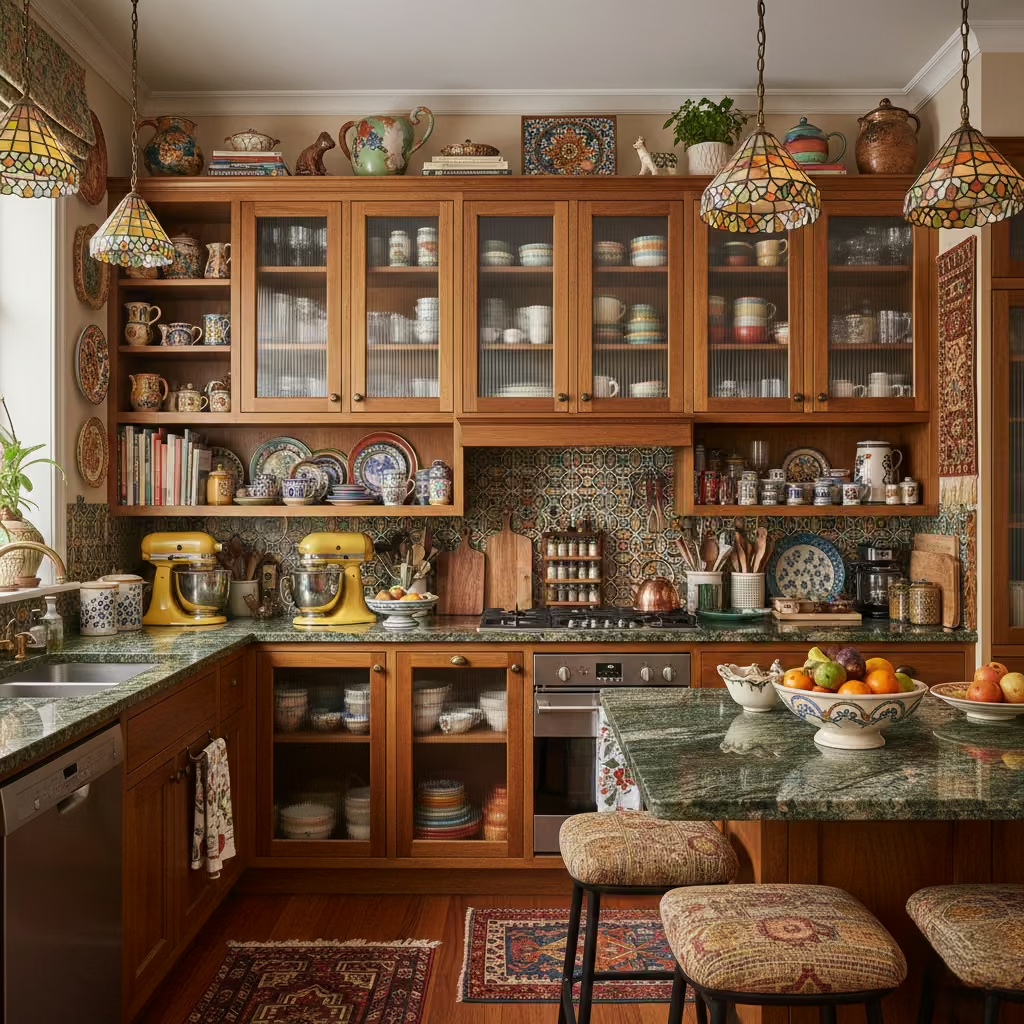
Glass-front cabinets are a perfect bridge between storage and display in a maximalist kitchen. They allow you to showcase curated items such as colourful dishware, glassware, cookbooks, or decorative objects while keeping the space organised.
I always advise treating these cabinets like mini displays rather than dumping grounds. Grouping items by colour, material, or theme creates a sense of order within abundance.
Textured or reeded glass can add depth while softening the visual impact. Interior cabinet lighting further elevates the look, turning everyday items into design features. When styled with intention, glass-front cabinets add elegance, personality, and layered visual interest without overwhelming the kitchen.
Statement Range Hoods

A statement range hood can become the true focal point of a maximalist kitchen. Instead of blending in, it stands out through bold materials, sculptural forms, or decorative detailing.
I often design range hoods using plaster finishes, patterned tiles, wood cladding, or metallic accents to create a striking centrepiece. Extending the hood higher or adding custom moulding enhances its presence. In maximalist interiors, the range hood is an opportunity to introduce artistry into a functional element.
When paired with complementary cabinetry and backsplashes, it anchors the kitchen visually and reinforces a sense of confident, expressive design.
Ceiling Treatments: Paint, Beams, or Wallpaper

Ceiling treatments are often overlooked, yet they offer huge potential in maximalist kitchens. Painting the ceiling in a bold colour or extending wallpaper overhead instantly adds drama and depth.
Exposed beams, whether structural or decorative, introduce texture and architectural interest. I like using ceiling treatments to balance strong wall colours or patterns, creating a fully immersive space.
Wallpapered ceilings work especially well in kitchens with high ceilings, adding warmth without closing the space in. A treated ceiling completes the room, making the design feel intentional from top to bottom.
Layered Textures with Textiles

Textiles play a crucial role in softening the bold elements of a maximalist kitchen. Layering textures through curtains, cushions, upholstered seating, runners, and tea towels adds warmth and comfort.
I often mix fabrics such as linen, velvet, woven cotton, or patterned textiles to create depth without clutter. Even small additions, like a café curtain or seat pads, can have a big impact.
Textiles also help absorb sound, making lively kitchens feel more comfortable. When layered thoughtfully, fabrics balance bold colours and hard surfaces, bringing a welcoming, lived-in feel to the space.
You May also Like: 25 Small Kitchen Ideas That Maximize Space and Make Cooking Way More Enjoyable
Maximalist Pantry Styling

A maximalist pantry is as much about visual appeal as it is about storage. Instead of hiding everything away, this approach embraces open shelving, decorative containers, and colour-coordinated displays.
I recommend using glass jars, woven baskets, and labelled containers to keep items organised while enhancing the aesthetic. Mixing practical storage with artwork, plants, or patterned wallpaper turns the pantry into a design feature.
Thoughtful lighting elevates the look further, making the space feel intentional rather than purely functional. A well-styled maximalist pantry proves that even the most practical areas can be expressive and beautiful.
You May also Like: 25 Bathroom Organizer Ideas to Maximise Storage in Any Bathroom
Unique Cabinet Handles and Hardware
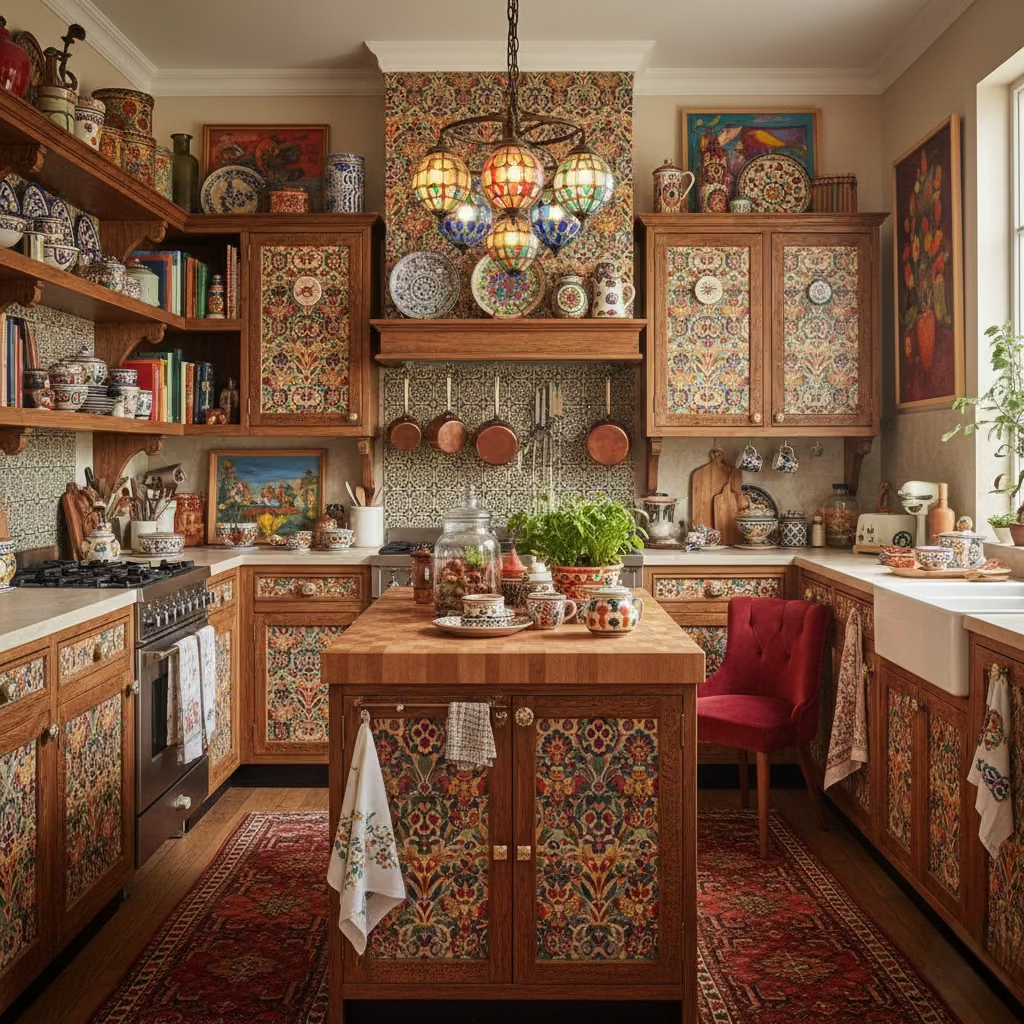
Unique cabinet handles and hardware are small details that make a big impact in maximalist kitchens. Instead of standard finishes, consider sculptural knobs, vintage-inspired pulls, or mixed metals that add personality and texture.
I often mix finishes such as brass, ceramic, glass, or matte black to create a collected, layered look. Decorative hardware can echo colours and patterns used elsewhere in the kitchen, helping tie the design together.
In maximalist spaces, hardware is not purely functional. It becomes a design feature that adds character and reinforces the sense of individuality throughout the kitchen.
Bold Wall Colors

Bold wall colours set the mood for a maximalist kitchen and create an immersive backdrop for layered design elements. Deep blues, rich greens, warm terracottas, or dramatic reds bring depth and confidence to the space.
I recommend choosing colours that complement cabinetry and flooring while allowing patterns and décor to stand out. Using high-quality paint finishes ensures durability and richness of colour.
Bold walls encourage creativity and help the kitchen feel expressive rather than restrained. When balanced with thoughtful lighting and contrasting textures, strong wall colours enhance warmth and visual impact without feeling overpowering.
Mixed-Style Furniture and Seating

Mixed-style furniture and seating give maximalist kitchens their relaxed, eclectic charm. Combining modern stools with vintage chairs or pairing a farmhouse table with contemporary lighting creates visual contrast and personality.
I like treating kitchen furniture as collected pieces rather than a matched set. This approach makes the space feel curated and lived-in.
Mixing styles works best when unified through colour, scale, or material. The result is a kitchen that feels layered, welcoming, and full of character, where function and creativity coexist effortlessly.
Patterned Dishware Displays

Patterned dishware displays turn everyday items into decorative accents. Whether showcased on open shelves or behind glass-front cabinets, colourful plates, bowls, and mugs add rhythm and visual interest.
I recommend mixing patterns while maintaining a cohesive colour palette to avoid visual overload. Layering dishware by size and shape creates depth and movement.
These displays celebrate daily rituals and bring warmth to the kitchen. Patterned dishware also allows for easy seasonal updates, making it a flexible and joyful element of maximalist design.
You May also Like: 25 Stunning Dark Rustic Kitchen Concepts for Any Home
Indoor Plants and Greenery

Indoor plants and greenery breathe life into maximalist kitchens, softening bold colours and patterns. From trailing plants on shelves to herbs on windowsills, greenery adds freshness and balance.
I often use a mix of plant sizes and textures to create a natural, layered look. Plants also improve air quality and enhance wellbeing, making the kitchen feel healthier and more inviting. In maximalist spaces, greenery acts as a calming counterpoint to visual richness.
Artistic Kitchen Accessories

Artistic kitchen accessories complete the maximalist look by adding personality through small, expressive details. Sculptural bowls, decorative utensils, patterned canisters, and bold countertop pieces function as art while remaining practical.
I suggest choosing accessories that reflect personal style or craftsmanship, such as handmade ceramics or statement trays.
These pieces add layers of interest without requiring structural changes. When curated thoughtfully, artistic accessories bring cohesion, creativity, and a sense of joy to the kitchen.
Tips for Creating a Cohesive Maximalist Kitchen
Creating a cohesive maximalist kitchen requires a careful balance between bold expression and thoughtful design. Colour, pattern, and texture should work together rather than compete.
I often recommend starting with a base palette of two or three dominant colours and layering accents, patterns, and textures that complement rather than clash. This approach ensures the space feels vibrant without becoming visually chaotic.
Mixing vintage and modern pieces adds depth and personality, but it must be done deliberately. Pairing an antique sideboard with sleek contemporary cabinetry or a retro fridge with modern lighting creates contrast while maintaining harmony.
Look for shared elements such as colour, scale, or material to tie different styles together, ensuring the kitchen feels curated rather than mismatched.
Statement pieces should be used strategically to anchor the room and draw the eye. Whether it’s a jewel-toned island, a patterned backsplash, or a sculptural light fixture, these focal points provide visual balance amidst a rich array of textures and colours.
Thoughtful placement and proportion keep the kitchen functional, stylish, and visually engaging, proving that maximalism can be both bold and cohesive.
Common Mistakes to Avoid while Planning Maximalist Kitchen
When embracing a maximalist kitchen, it’s easy to go overboard, but certain mistakes can undermine even the boldest design. Overcrowding surfaces is one of the most common pitfalls. While maximalism celebrates abundance, leaving no clear space can make the kitchen feel cluttered and chaotic rather than stylish.
Ignoring workflow and functionality is another critical error. Maximalist kitchens must remain practical for cooking, cleaning, and daily use. Crowding work zones with decorative items or poorly placing appliances can compromise efficiency and make the space frustrating to use.
Choosing colours without cohesion can also disrupt the visual balance. Randomly mixing bold hues without a unifying palette may feel overwhelming and disjointed. I recommend selecting dominant colours and using complementary tones to tie patterns, cabinetry, and décor together. Avoiding these mistakes ensures your maximalist kitchen is both vibrant and functional, striking the perfect balance between style and practicality.
Final thoughts
A maximalist kitchen is all about celebrating personality, colour, and creativity. It transforms the heart of your home into a space that feels vibrant, layered, and uniquely yours. From jewel-toned cabinets and patterned backsplashes to eclectic accessories and statement lighting, every element contributes to a kitchen that is both functional and visually striking.
Whether you’re ready to dive fully into bold design or prefer starting with smaller, curated accents, maximalism offers endless opportunities to express your style. Even a single colourful island, patterned rug, or curated shelf display can make a dramatic impact.
Which maximalist ideas inspire you the most? Share your thoughts in the comments or explore our related posts on maximalist interiors for even more inspiration. With the right balance and thoughtful layering, you can create a kitchen that feels joyful, welcoming, and unmistakably yours.
FAQs: Maximalist Kitchen Ideas
What is a maximalist kitchen?
A maximalist kitchen embraces bold colours, patterns, textures, and eclectic décor. Unlike minimalist designs, it encourages layering, mixing materials, and showcasing personality through statement pieces, artwork, and accessories.
How do I start designing a maximalist kitchen?
Begin with a colour palette and a few key statement pieces. Gradually mix patterns, textures, and styles while keeping functionality in mind. Incorporate open shelving, bold lighting, and decorative accessories to bring the maximalist vibe to life.
Can a small kitchen work with a maximalist design?
Yes. Balance is key use vertical space, open shelving, and carefully chosen statement pieces to create visual interest without overcrowding. Lighter wall colours and reflective surfaces can help maintain a sense of openness.
What colours work best for a maximalist kitchen?
Jewel tones, vibrant contrasts, deep blues, rich greens, and warm reds work beautifully. Maximalism allows mixing colours, but cohesion is important repeat accent colours or complementary tones throughout the space.
How do I avoid making my maximalist kitchen look messy?
Focus on intentional layering and curated displays. Keep countertops organized, hide clutter in storage, and select statement pieces thoughtfully. Bold elements should complement, not compete with, each other.
Can I mix modern and vintage pieces in a maximalist kitchen?
Absolutely. Maximalist kitchens thrive on eclecticism. Pair modern appliances with vintage furniture, lighting, or accessories to create a layered, dynamic, and personalized space.
Are patterned floors and walls too much for a maximalist kitchen?
Not if used thoughtfully. Choose one focal point either a patterned floor or a statement wall and balance it with solid or neutral elements elsewhere to prevent visual overload.
How do I incorporate accessories in a maximalist kitchen?
Use decorative dishware, colourful rugs, artwork, plants, and statement lighting. Display items in curated groupings on open shelves, countertops, or walls to create a collected, vibrant, and inviting look.