
Protect Coasts & Ocean
Steller sea lions in Gwaii Haanas National Park Reserve
Every action ripples beneath the waves.
Too much has been taken from the ocean. It’s time to give something back and restore balance so marine life and communities can thrive again.
Definitions
Areas that are legally designated in order to permanently protect marine habitats, plants and animals. These areas prohibit industrial activities that threaten or harm marine life. MPAs are an effective way to address multiple threats to a variety of species, creating sanctuaries for marine life to recover and thrive.
A group of MPAs that are designed to function together for greater, more widespread benefit. Networks consider the full surrounding environment, protecting all marine life while letting species move across areas. They also allow for limited use in the surrounding waters between MPAs.
Marine refuge areas that do not have the full legal protection of an MPA. Like MPAs, OECMs offer permanently protections from harmful activities. However, OECMs may be established for reasons outside of conservation, such as military secure measures. See this report from CPAWS Newfoundland and SeaBlue Canada about the limitations of these areas.
Securing the survival of marine habitats
What we protect, the ocean gives back immeasurably. Marine Protected Areas (MPAs) create safe havens for marine life and coastal communities to thrive together, supporting healthy habitats, fisheries, and local livelihoods.
MPAs are parts of the ocean that are biologically or culturally important – for example, deep sea coral reefs, estuaries and fish nursery grounds – where harmful activities are banned to protect habitats and help marine life recover.
We’re all in on marine protected areas: We know they will work because we have already seen the benefits. CPAWS produces research, spearheads community and industry partnerships, and is at the table with governments at every level across Canada to ensure that more of the coast and ocean is protected. With the voices of supporters like you, we’ll continue the push and hold political leaders accountable to make sure that our coast and ocean are well protected. Together we can secure the survival of marine life and our ways of life along Canada’s coast and in the deep ocean.
Why we’re fighting for ocean protection
Protecting marine ecosystems is the most straightforward way to defend the natural areas that we rely on from further harm. When we establish marine protected areas, we achieve many otherwise hard-to-reach goals:
Environmental benefits:
- Protecting marine food chains and providing space for ocean life to recover from damage and adapt to climate change
- Slowing down global warming by storing carbon in marine habitats
Community benefits:
- Supporting sustainable fishing practices, so locals can keep fishing for generations to come
- Opening up new, long-term economic opportunities for locals, not big corporate interests
- Advancing Indigenous self-determination and reconciliation
- Protecting culturally important ocean features, like shipwrecks or archeological sites, and supporting traditional ways of life, including Indigenous ceremonial harvesting
For more, see “We all benefit from protecting marine areas”
Industrial activity is putting tremendous pressure on marine habitats, and many are at risk of permanent collapse. Corporations are driving overfishing and habitat loss, putting our marine life and irreplaceable natural resources in danger like never before. But these worst-case scenarios aren’t inevitable. Marine life needs a guaranteed way to recover and thrive—and marine protected areas are the best way we know to do so. Each marine protected area that CPAWS can help establish is another step towards successfully protecting our way of life for future Canadians.
With the world’s longest coastline spanning the Arctic, Atlantic and Pacific Oceans, Canada is home to a vast array of marine wildlife, from great whales to deep-sea corals. Our goals must be ambitious to protect all of these living things. That’s why CPAWS has been fighting for 60 years to protect Canada’s ocean.
Scientific research shows that we can secure the survival of our marine life, but only with bold action. We’re actively holding governments accountable for their promise of protecting at least 30% of our ocean by 2030. We also know that in the long term, a truly thriving planet requires even more conservation. Polls show that the majority of Canadians are already on board—we understand that our future health is intertwined with nature’s.
Safeguarding our ocean doesn’t come at the cost of fishing or recreation. However, if we want future generations to enjoy these same activities, we must establish long-term protections now. It’s a tall order, but we’re not backing down from the challenge.
Current Progress: We have the world’s longest coastline—only 15.5% is protected.
Every action ripples beneath the waves. By limiting harmful industrial activity—like bottom trawling , large commercial overfishing, and noise pollution from ship traffic and drilling, MPAs help restore balance so ocean life and communities can thrive again. In recent years, CPAWS has helped Canada make significant progress on protecting its ocean, with a major jump from 1% to 15.5% protected in the past 15 years. Although we’re proud of these hard-won gains, they aren’t enough to stem the loss of ocean habitats and marine life in the long term. In order to safeguard our ocean, we need more marine protected areas, more funding, and more collaboration.
Our work tracking marine protected areas reveals the obstacles that Canada must clear to secure better protections and the solutions to get us there:
Renewed funding: Without more ongoing investment, marine protected areas will underperform due to a lack of monitoring and enforcement, while candidate areas won’t be able to get the protected status they need.
Increased support for Indigenous initiatives: Indigenous peoples cannot do the work of conservation alone. Canada needs a clear strategy to support coastal Indigenous Protected and Conserved Areas and to elevate Indigenous leadership and knowledge.
Speed up progress: Several key commitments have stalled—Priority sites lack protections, and other key marine conservation initiatives are not finalized. Because marine protected area creation requires lots of time and long-term engagement, we need more aggressive action now.
Strengthen protections for existing MPAs: Our MPA Monitor Report shows harmful industrial activities like bottom trawling, dumping and oil and gas activity are still happening in some marine protected areas. Some ocean areas that are supposedly being protected don’t stand a chance of recovering. In order to enforce protections, we need stronger regulation, co-management with local communities, and more investment.
Fight disinformation: Large corporations are trying to divide Canadians over marine protected areas by spreading fear and disinformation. We’ve been doing this work for decades, and we know the truth: Protected areas not only preserve our right to fish and use the ocean, and actually prevent overfishing so there’s enough for everybody. We won’t let corporate interests block environmental progress and our livelihoods to boost their own bottom line.
These threats are serious, but not insurmountable. It will take swift, decisive action from government leaders, and like all the stakeholders we work with, we’re ready to do our part.
Take Action for Coasts & Ocean
When is enough, enough? The ocean has been pushed too far, but it’s not too late to protect it. Join the tens of thousands of Canadians who have already stepped up to protect our ocean habitats, by writing to your elected representative or donating to support our work.

Demand the Federal Government Uphold the Oil Tanker Moratorium Act
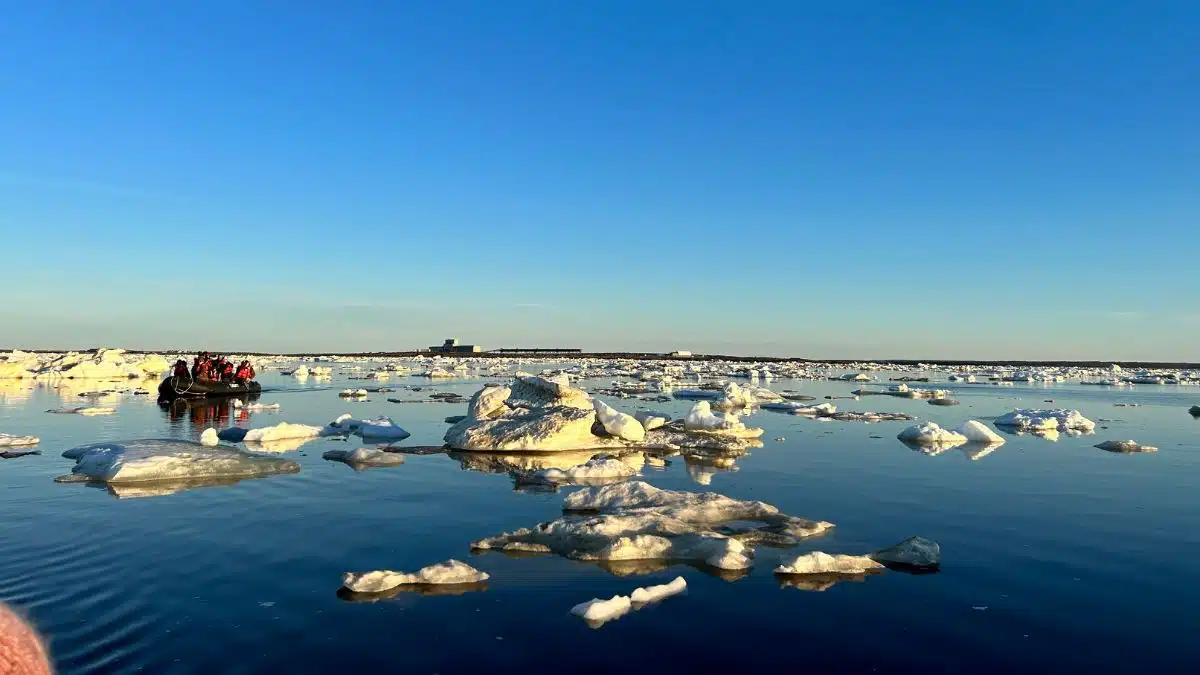
Help Protect Hudson Bay

Show your support for the Great Bear Sea Marine Protected Area Network!
We all benefit from protecting the ocean with MPAs
The truth about MPAs: They’re our best tool for securing the survival of the marine life we depend on. By making transformative commitments now, we guarantee countless benefits for future generations. Here’s why protecting coasts & ocean will lift up our livelihoods, societies and planet:
MPAs protect our ability to keep fishing for personal and professional use, and enjoy being in and on the water. At the same time, they block big, often foreign, corporations from overfishing and habitat destruction in the name of short-term profits. Every MPA is created through a custom process that takes local voices and livelihoods into account: after all, it’s the community’s resources that are at stake. Read more in our blog post, Clearing things up: Why protected areas at sea and on land are a must for Canadians
Those of us living in coastal communities already know what’s at stake: Without protection measures, fragile ocean habitats are at risk of permanent destruction. By blocking harmful activities like oil and gas developments, MPAs create space for all marine life— from the biggest whales to the tiniest zooplankton—to recover from damage and remain abundant. For more, see our Wildlife page.
In the short term, marine protected areas create new jobs for locals in science monitoring and conservation. In the long run, protecting nature opens up new business opportunities for ecotourism and sustainable fisheries. Without the threat of big corporations looking to extract our natural resources, local economies become more self-reliant and secure. Studies show that at large scales, MPAs can produce ten-to-one economic returns. See our backgrounder on economic sustainability, Investing in Nature for more.
Marine habitats are Canada’s secret weapon for effectively removing carbon from the atmosphere. Seagrass meadows, tidal wetlands and salt marshes can capture 3-5x more carbon than forests, and store it for much longer. Plus, protecting these powerhouse areas from industrial development means they can keep providing shelter from extreme weather events. For more, see our blog posts on Blue Carbon and Leveraging Protected Areas for Climate Action, and our report Protected Areas as a Nature-based Climate Solution.
What’s happening now to save our coasts & ocean
For over 25 years CPAWS has been working with coastal communities across Canada to create more and better marine protected areas.
Helping create new protected areas
Creating new MPAs can’t be rushed: Knowledge gathering, thoughtful planning and meaningful consultation takes time. For decades, we’ve built partnerships to bring representatives from many communities, industries, and sectors into this process. CPAWS plays a key role at every stage:
- Identifying areas to protect, taking in ecological factors, scientific research and cultural significance.
- Consulting and collaborating with Indigenous communities, local residents, scientists and conservation partners. Our lens is specific to each area and informed by progress happening nationwide.
- Creating laws and formal designations at multiple levels of government. These are unique to each area.
- Drawing up co-management plans alongside local decision-makers and community members.
- Reviewing results from ongoing monitoring, and enforcing standards to ensure proper protection.
CPAWS has the expertise and longtime relationships to navigate these lengthy processes across the nation. What’s more, we’ve done the homework for how to bring this vision to life: our “Roadmap to 2030” report identifies some of the best MPA candidates across all Canadian coasts and what steps to take.
Improving standards for ocean protection
Our work doesn’t end with creating new marine protected areas. CPAWS makes sure these protections are truly effective by boosting standards, monitoring, and enforcement. We also help Canadians to actively engage in public consultations.
With our partners and supporters, we’ve achieved significant success:
- In 2018, Canada’s Oceans Act and the Canada Petroleum Act were updated with better marine protections. This includes giving MPAs interim protection while they are in the process of being created. These changes let Fisheries and Oceans Canada more effectively prohibit oil and gas development in MPAs.
- In 2019, the federal government established minimum protection standards for all new federal MPAs. This standard prohibits industrial activities like bottom trawling, oil and gas, mining and dumping. We’re continuing to push for these standards to be reflected in policy or legislation.
What’s left to be done? We have answers there, too. In 2021, CPAWS released the MPA Monitor Report: a first-of-its-kind report card on the quality of existing marine protected areas. Our research identified many ways that our existing marine protected areas could be strengthened so that they produce greater benefits for marine life and coastal communities alike. We’re committed to working with conservation, industry, and Indigenous partners to get governments on board with stronger protection standards. For more, see our submission to the National Advisory Panel on MPA Standards.
Giving Canadians a platform to voice their concerns
The work we do doesn’t happen in a vacuum—you’re a part of it, too. CPAWS engages with everyday Canadians about their use of coasts & ocean, making sure their concerns are heard. We equip concerned citizens with the opportunities and knowledge to contact their leaders and fight for the protections they want to see.
In 2023, we undertook our biggest ocean research project yet: surveying 10,000+ people across the country and holding focus groups in 10 coastal communities. Our goal: understanding Canadians’ hopes and fears for the futures of coasts & ocean, and their views on the best strategies for protecting them. The results of this research will be used to harness our collective power towards ocean advocacy. For some insights, check out our blog post, “Lost in Translation: Fishing Tales and Coastal Conversations Across Canada.”
Learn about the next opportunity to use your voice by staying up to date on our work.
Latest news and updates
-
 Coasts and Ocean
On the Brink, Ocean Protection by 2030
-
 Coasts and Ocean, Government and Policy
Defend Our Pacific North Coast
-
 Coasts and Ocean, Government and Policy, Indigenous-led Conservation
CPAWS-BC stands with Coastal First Nations
-
 Coasts and Ocean, Government and Policy, Indigenous-led Conservation
Still Fighting for a Seat at the Table
-
 Climate Change, Coasts and Ocean
The Winds of Change: Fighting Climate Change Without Sacrificing Our Ocean
-
 Coasts and Ocean, CPAWS News & Stories
Lost in Translation: Fishing Tales and Coastal Conversations Across Canada
-
Coasts and Ocean, Parks and Protected Areas
CPAWS welcomes joint call to action on ocean protection
-
Coasts and Ocean, Parks and Protected Areas
CPAWS welcomes pathway to protect 25% of ocean in Canada and stronger standards for marine protected areas
-
Coasts and Ocean, Parks and Protected Areas
CPAWS-BC Celebrates the Endorsement of the Marine Protected Area Network Action Plan Announced at IMPAC5
-
Coasts and Ocean, International
Canada kicks off IMPAC5 with a new National Marine Conservation Areas policy
-
Coasts and Ocean, International
Protection of the St. Lawrence: IMPAC5, a chance to make up for COP15
-
 Coasts and Ocean, Parks and Protected Areas
CPAWS partnering with the Government of Canada and IUCN for the 5th International Marine Protected Areas Congress
-
-
Coasts and Ocean, International
CPAWS to Co-Host World Leaders in Ocean Conservation
-
Coasts and Ocean, Parks and Protected Areas
Marine Protected Ares are helpful, MPA Networks are even better!
-
 Climate Change, Coasts and Ocean
101 Blog Series: Blue Carbon


Be the first to know about the latest ocean updates and ways to take action
Subscribe to our newsletterStay connected to ocean conservation happening in your area
Find your local CPAWS chapterBriefs & Reports

MPA Monitor, Assessing Canada’s Marine Protected Areas
Canadian Parks and Wilderness Society | 2021
Read More