Fun Facts Cover Image
Fun Facts Profile Picture
Fun Facts
@funfacts • 1 people like this

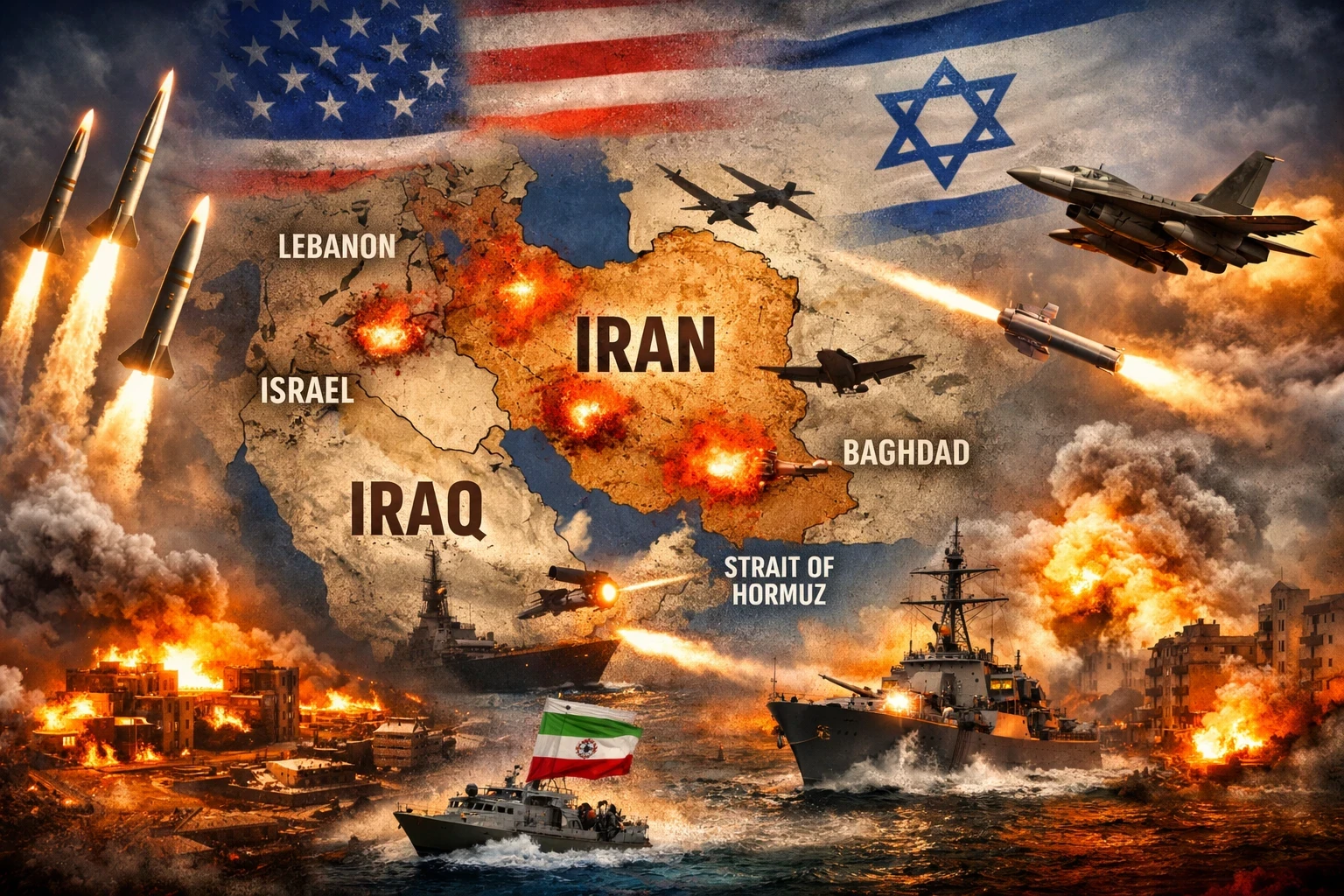
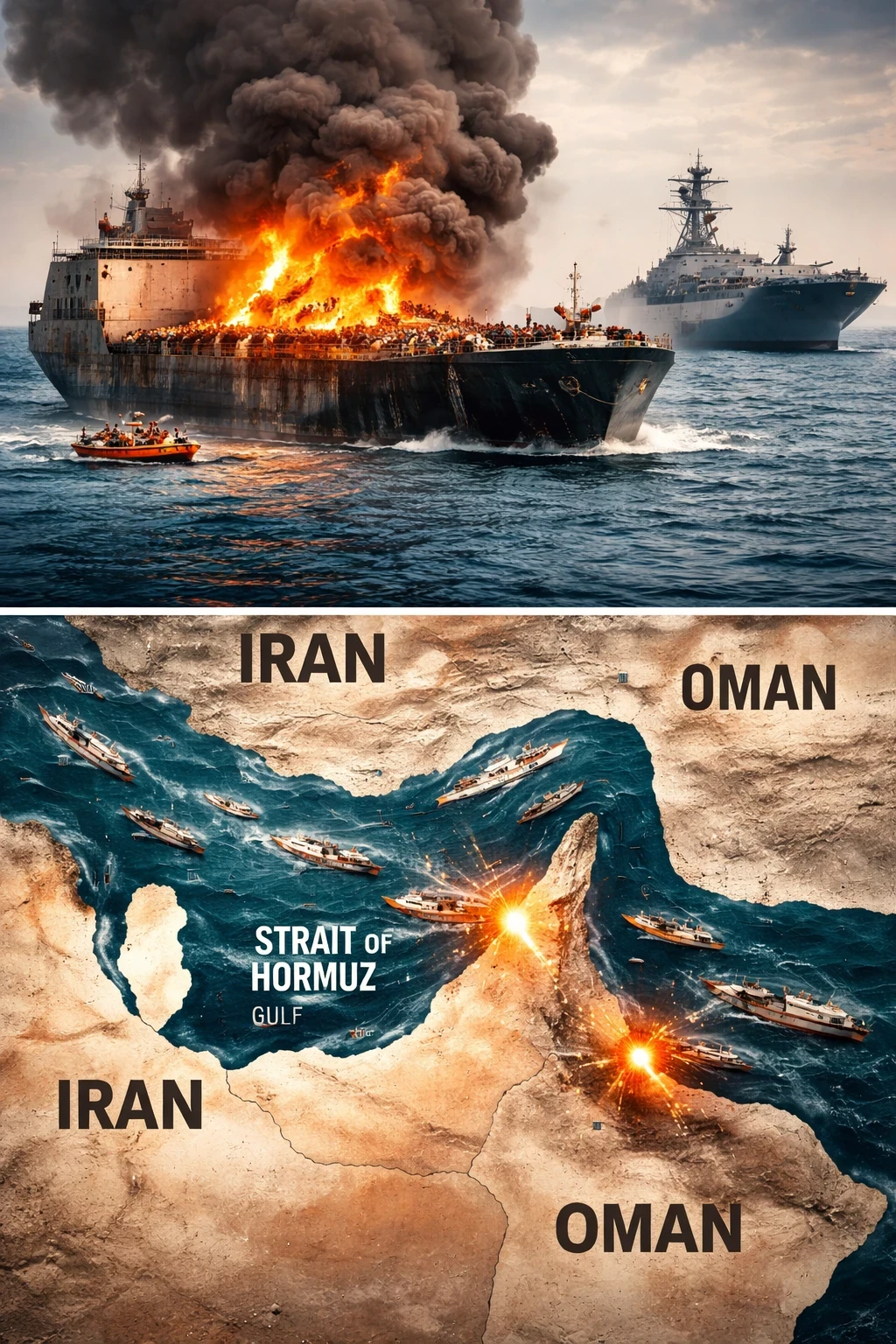
🚢 Major Escalation in the Strait of Hormuz:

The strategic Strait of Hormuz, one of the world’s most important energy corridors, has become a new flashpoint in the ongoing Iran–Israel–US conflict.

Over the past 48 hours, multiple commercial vessels were attacked or damaged while passing through the strait, raising serious concerns about global energy security and maritime safety.

⚠️ Confirmed developments:

• At least three merchant vessels were struck by projectiles while navigating the Strait of Hormuz.
• One ship, a Thai-flagged cargo vessel, caught fire after the strike, forcing the crew to abandon parts of the vessel while emergency teams responded.
• Two additional ships — including international cargo carriers — reported structural damage after nearby explosions and projectiles.
• Several commercial ships temporarily halted their transit through the strait due to security warnings.

Military Response:

• U.S. Navy warships have increased patrols and surveillance across the Strait of Hormuz.
• Coalition forces are now escorting commercial oil tankers and cargo vessels through the shipping corridor to prevent further attacks.
• Regional naval forces are also monitoring the area as tensions between Iran and Western allies continue to rise.

🌍 Why the Strait of Hormuz matters:

The narrow waterway between Iran and Oman is one of the most critical chokepoints in the global energy system.

📊 Key facts:
• Nearly 20% of the world’s oil supply passes through this route every day.
• Around 17–20 million barrels of crude oil move through the strait daily.
• Any disruption could immediately impact global fuel prices, shipping costs, and energy markets worldwide.

📉 Global concerns:

Energy analysts warn that continued attacks in the Strait of Hormuz could lead to:

• Higher global oil and fuel prices
• Disruptions in international shipping routes
• Increased military presence in the Persian Gulf
• A broader regional conflict involving multiple countries

The situation remains extremely volatile as governments and energy markets closely monitor developments in this critical maritime corridor.

💬 Global Question:
If attacks on oil tankers continue, could the Strait of Hormuz become the next major battlefield in the Middle East?

#iran #straitofhormuz #oiltankerattacks #middleeastconflict #globalenergy #worldnews #geopolitics #breakingnews #warupdate
image

🔥 Middle East on Edge: Iran–Israel–US Conflict Intensifies

⚠️ The Iran war has entered one of its most dangerous phases, with escalating attacks across the Middle East over the past 48 hours.

Key developments:

💥 Heavy Airstrikes Across Iran:
Israel and U.S. forces launched major strikes on Iranian military infrastructure, with satellite imagery showing significant destruction at multiple bases.

Strait of Hormuz Flashpoint:
The U.S. Navy reportedly destroyed 16 Iranian mine-laying boats in the Strait of Hormuz — a route that carries about 20% of the world’s oil supply.
Any disruption here could trigger global fuel price spikes and economic shockwaves.

🚁 Drone Attack in Iraq:
A drone strike targeted a U.S. diplomatic facility in Baghdad, believed to be linked to Iran-backed militias. Security systems intercepted several drones before impact.

🔥 War Expands to Lebanon:
Israeli forces also struck Hezbollah positions in southern Lebanon, raising fears that the conflict could become a regional war involving multiple countries.

📊 Casualties Rising:
Iran claims over 1,300 people have been killed and thousands of locations damaged since the escalation began.

---

Why the world is watching closely:

• The conflict sits in the heart of global energy supply routes
• Major powers like Russia and China are monitoring closely
• A wider regional war could affect global markets, oil prices, and security

Many analysts warn the situation is approaching a tipping point where a single strike could trigger a much larger international conflict.

---

💬 Question for the world:
Will this escalate into a full Middle East regional war, or will diplomacy step in before it's too late?

---

#iran #israel #usa #middleeast #worldnews #breakingnews #geopolitics #globalconflict #warupdate #internationalnews

image

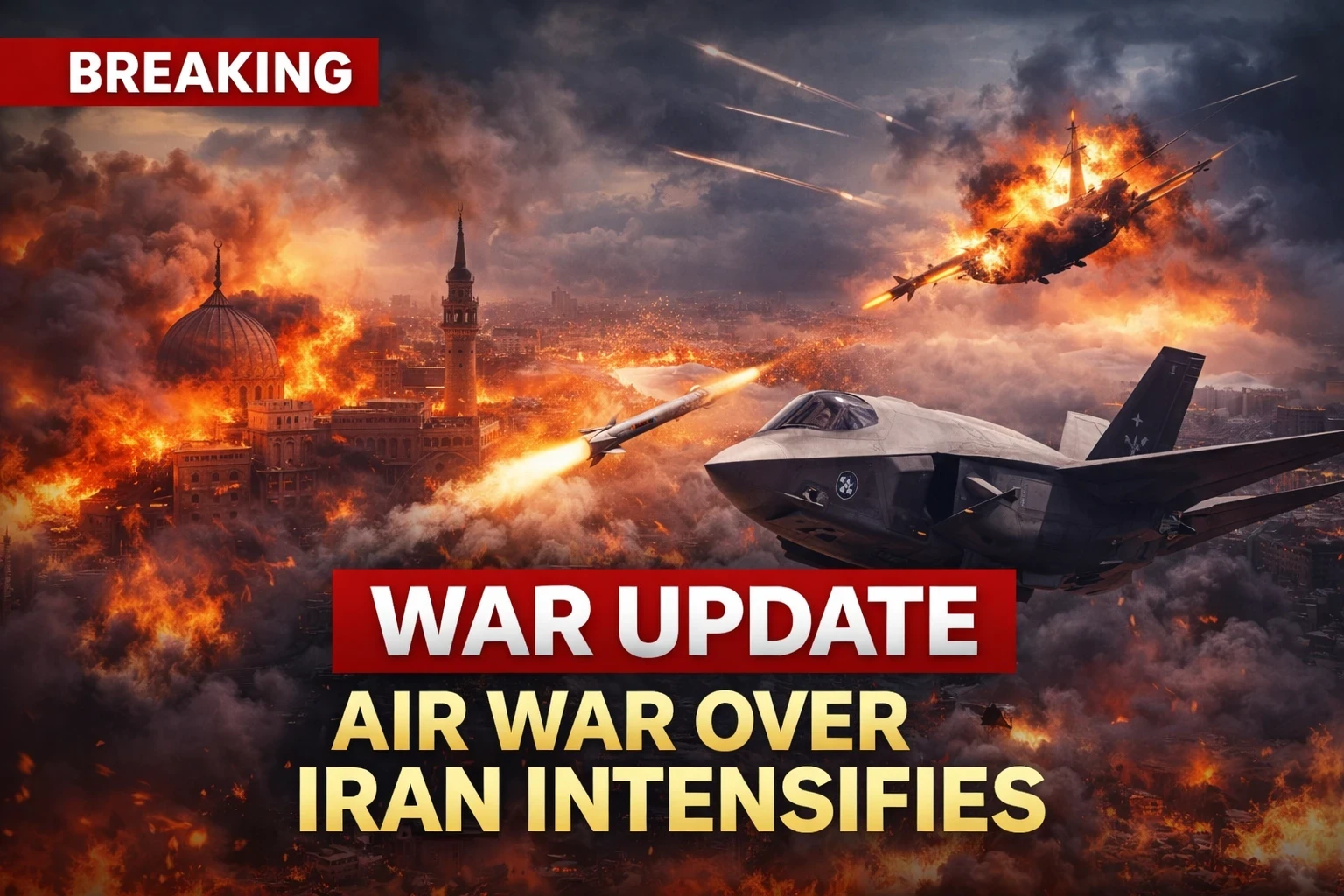
WAR UPDATE : Air War Over Iran Intensifies as Region Braces for Wider Conflict

The war between Iran, Israel, and the United States continues to escalate as fresh military developments unfold across the Middle East. What began as targeted strikes has now expanded into a broader regional confrontation involving multiple countries, missile attacks, and an increasingly intense air campaign.

Tehran Under Continued Airstrikes:

New explosions were reported in Tehran as Israeli forces launched another wave of strikes targeting military facilities, missile launch sites, and command infrastructure across the Iranian capital and surrounding areas.

According to military officials, the air campaign is focused on weakening Iran’s missile systems, air defenses, and command networks, which have been used in retaliation attacks across the region.

Residents in parts of Tehran reported large blasts and air defense activity overnight, as Iranian systems attempted to intercept incoming strikes.

Air War Expands : Fighter Jet Shot Down

In a significant development, Israeli officials reported that an F-35 fighter jet shot down an Iranian fighter aircraft over Tehran, marking one of the most direct air-to-air engagements since the conflict began.

The incident signals that the war has moved beyond missile exchanges into direct aerial combat over Iranian territory, highlighting the intensity of the current military operations.

Leadership Uncertainty Inside Iran:

Following the reported death of Supreme Leader Ayatollah Ali Khamenei, Iran’s political and religious leadership is facing a period of uncertainty as discussions reportedly begin over selecting a new leader.

The transition could have major consequences for Iran’s military strategy, diplomatic stance, and internal stability during the conflict.

Conflict Spreads Beyond Iran:

The war is no longer limited to Iran’s borders.

Israel has intensified strikes against Hezbollah positions in Lebanon, targeting weapons depots, missile launchers, and militant infrastructure. At the same time, Iranian forces and allied groups have launched missiles and drones toward U.S. bases and regional targets across the Gulf.

Several countries hosting U.S. military installations have increased security and activated air defense systems in response to the growing threat.

Global Markets React:

The conflict is already having global consequences. Financial markets have shown volatility as investors react to the rising geopolitical risk.

Energy markets remain particularly sensitive due to fears that the conflict could disrupt traffic through the Strait of Hormuz, one of the world’s most important oil shipping routes, where nearly 20% of global oil supply normally passes.

Any disruption there could quickly impact global fuel prices, shipping routes, and economic stability worldwide.

A Region on Edge:

With airstrikes continuing, missiles crossing borders, and multiple countries now involved in the security crisis, analysts warn that the Middle East could be entering one of the most dangerous geopolitical moments in recent history.

Diplomatic efforts to de-escalate the situation remain limited, and military leaders on all sides appear prepared for the possibility of a prolonged confrontation.

For millions of civilians across the region, the uncertainty continues to grow as the conflict shows no clear sign of slowing down.

#breakingnews #iran #israel #middleeast #worldnews #geopolitics

image

Carpoolers : A Photographer’s Window Into Mexico’s Hidden Commute

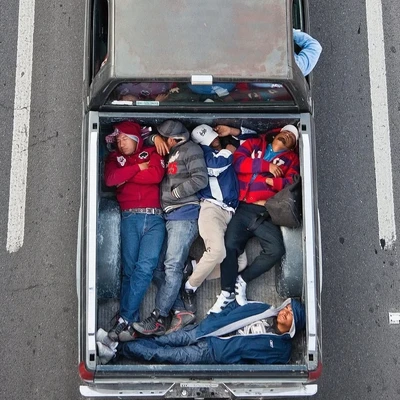
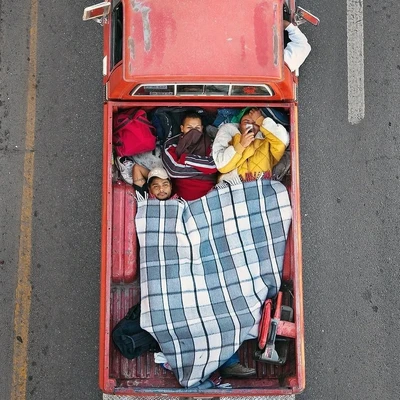
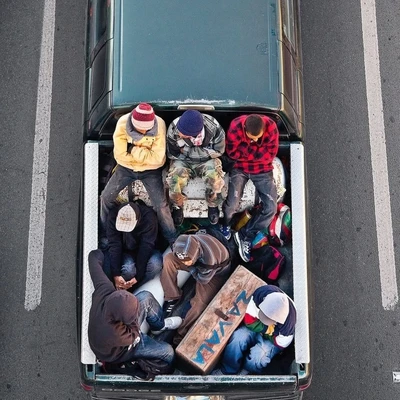
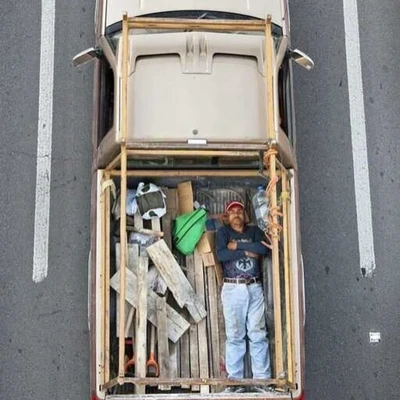
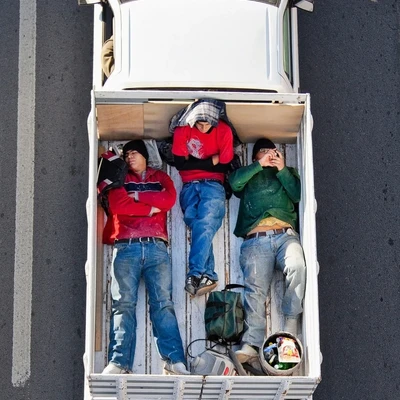
Between 2011 and 2012, photographer Alejandro Cartagena stood on a pedestrian bridge above Highway 85 in Monterrey, Mexico, documenting a daily routine most people driving below never noticed.

Every morning between 70 and 90 AM, he photographed workers commuting to their jobs in the backs of pickup trucks as they traveled toward the city.

This wasn’t limited to construction workers. The passengers were electricians, painters, laborers, and other workers heading to jobs across Monterrey. Many lived in rapidly expanding suburban housing developments built far outside the city center.

The Commute : Long Rides With Few Alternatives

For these workers, the journey to work often lasted 45 to 90 minutes, depending on traffic.

Public transportation in many of these new suburbs was limited or nonexistent, leaving workers to rely on shared pickup trucks arranged by employers or coworkers.

Inside the truck beds, workers brought tools, ladders, buckets, blankets, and towels to make the ride more manageable.

Some passengers slept during the commute, using bags or tools as makeshift pillows. Others sat tightly packed between equipment, preparing for another long workday.

From his position above the highway, Cartagena captured quiet, intimate moments that reveal the human side of urban expansion.

The Project : “Carpoolers”

The series became known as Carpoolers, a documentary photography project highlighting the everyday reality of commuting in rapidly growing cities.

During the 2000s, Mexico experienced a major suburban housing boom, with thousands of affordable homes constructed far from employment centers. While these developments offered homeownership opportunities, they often left residents isolated from transportation and city infrastructure.

Cartagena’s images show how workers adapt to these challenges — sharing rides, enduring long commutes, and making the best of difficult journeys.

Global Recognition

The Carpoolers series gained international attention for its powerful perspective on urban life and labor.

The photographs have been exhibited worldwide and are held in major collections, including:

• Museum of Contemporary Photography (Chicago)
• Museum of Fine Arts, Houston

A Bigger Question

Cartagena’s work raises an important question about modern city planning:

As cities expand outward and new housing developments grow farther from economic centers, who truly benefits from that growth — and who bears the burden of distance?

Sometimes the answer can be seen in the back of a pickup truck during a long morning commute.

Follow us for more.

#photography #mexico #documentary #urbanlife #photostory

imageimage
+9

BREAKING : Israel Bombs Tehran as War With Iran Intensifies

The conflict between Israel and Iran has entered a dangerous new phase after airstrikes reportedly hit targets in Iran’s capital, Tehran, marking one of the most serious escalations in recent Middle East tensions.

Over the past several days, Israel and the United States have carried out waves of airstrikes targeting Iranian military infrastructure, security facilities, and strategic sites across multiple cities. Reports indicate that hundreds of munitions were used against locations linked to Iran’s military command and defense systems.

These operations were aimed at weakening Iran’s missile capabilities, air defenses, and command structures.

Iran’s Response : Missiles and Drones Across the Region

Iran has responded with retaliatory missile and drone attacks targeting U.S. bases, military facilities, and strategic infrastructure across the Middle East. Several countries hosting American military installations have increased security and activated air defense systems.

Iran’s Islamic Revolutionary Guard Corps (IRGC) has also warned that the Strait of Hormuz could be closed, a move that would have massive global consequences.

Nearly 20% of the world’s oil supply passes through the Strait of Hormuz, meaning any disruption could trigger major spikes in oil prices and affect global trade and shipping routes.

Casualties Rising : Hundreds Reported Dead

Reports from the region suggest hundreds of casualties in Iran, including members of the country’s military and security leadership. The situation remains fluid as information continues to emerge from multiple sources.

Civilian populations across the region are also facing growing uncertainty as the conflict expands.

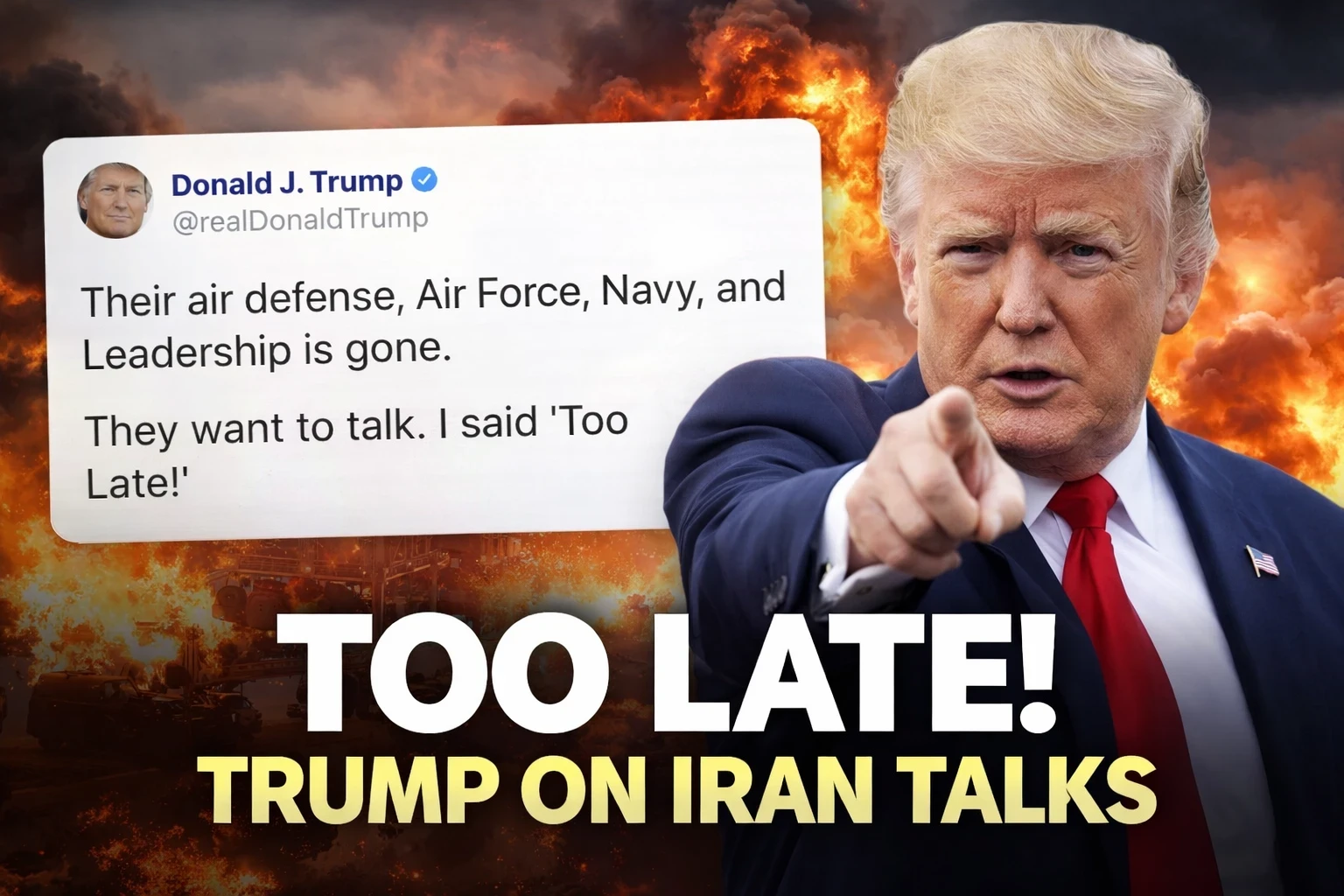
Trump’s Message : “Too Late” for Talks

Former U.S. President Donald Trump commented on the situation through social media, stating that Iran’s air defenses, military forces, and leadership structures had been severely weakened.

He also suggested that Iran may now be seeking negotiations, but responded with a blunt message:

“Too late.”

The statement signals a hardline position suggesting continued military pressure rather than immediate diplomatic negotiations.

Regional War Fears : Conflict Spreading

The fighting is not limited to Iran. Israel has also increased strikes against Hezbollah positions in Lebanon, raising fears that the conflict could expand further into a wider regional war.

Meanwhile, the United States has scaled back or temporarily closed several diplomatic missions in parts of the Middle East, advising citizens to remain cautious and monitor travel advisories.

A Region on Edge

With missiles, drones, and airstrikes continuing across multiple countries, analysts warn that the Middle East could be entering one of its most volatile moments in decades.

For millions of civilians across the region, the immediate future remains uncertain — with no clear path yet toward de-escalation or peace talks.

This remains a rapidly developing situation.

#breakingnews #iran #israel #middleeast #worldnews #geopolitics

image
About

Get information on history & facts which can be shocking, funny & interesting