
A responsive design adapts the web-page layout to the viewing environment by using techniques such as fluid proportion-based grids, flexible images, and CSS3 media queries, an extension of the @media rule, Responsive layouts automatically adjust and adapt to any device screen size, whether it is a desktop, a laptop, a tablet, or a mobile phone. View article at Responsive Typography & CSS
3oneseven

3oneseven
Last update at 20 · 12 · by milo
‧‧‧ One of 84Creating responsive typography is essential for ensuring that your website’s text adapts well to different screen sizes and devices.
CSS Units for Font Size:
Use appropriate units for font size to achieve responsiveness.
Common units include:
Pixels (px): Fixed size, not responsive. Example: font-size: 16px;
Ems (em): Relative to the parent element’s font size. Example: font-size: 1em;
Root em (rem): Relative to the root (usually) font size. Example: font-size: 1rem;
Percentage (%): Relative to the parent element’s font size. Example: font-size: 100%;
Media Queries:
Use media queries to adjust font sizes based on screen width.
Example:
@media (max-width: 768px) {
 body {
 font-size: 14px;
 }
 }
Second experiment can be seen at my solutions page, also with containers and variable CSS for each column.
Typography article
- Typography builds brand recognition
- Typography is a interface design element
- UI/UX design Guide
- Anatomy of a Typeface Character
- Style Guide 3oneseven
- Typography & CSS
- Typography Theme
Typography plays a crucial role in web design, affecting readability, aesthetics, and overall user experience.
1Color
The color property defines the color of text.
You can use color names (e.g., red), hexadecimal codes (e.g., #05ffb0), RGB values (e.g., rgb(50, 115, 220)), or HSL values (e.g., hsl(14, 100%, 53%)).
Example: color: red;
2Font Family
The font-family property specifies the font to be used.
You can provide a list of font families, prioritized from left to right.
Example: font-family: 'Source Sans Pro', Arial, sans-serif;
3Font Size
The font-size property sets the size of the text.
You can use absolute units (e.g., px, em) or relative units (e.g., rem, %).
Example: font-size: 16px;
4Font Style
The font-style property defines whether the text is normal, italic, or oblique.
Example: font-style: italic;
5Font Weight
The font-weight property adjusts the thickness of the text.
Common values include normal, bold, and numeric values (e.g., 400, 700).
Example: font-weight: bold;
6Line Height
The line-height property controls the spacing between lines of text.
You can use unit values or a multiplier (e.g., 1.5).
Example: line-height: 1.5;
7Letter Spacing
The letter-spacing property adjusts the space between individual letters.
Example: letter-spacing: 1px;
8Text Decoration
The text-decoration property adds visual effects to text (e.g., underline, overline, line-through).
Example: text-decoration: underline;
Typography style
Responsive Typography & CSS Gallery
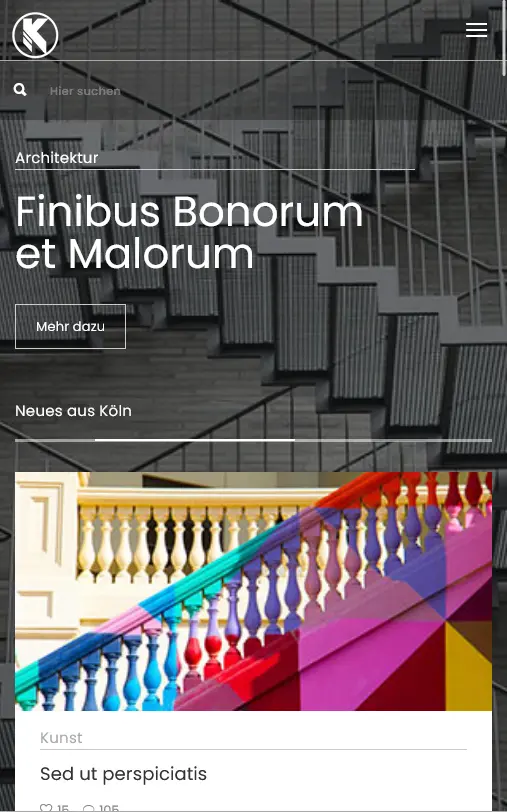
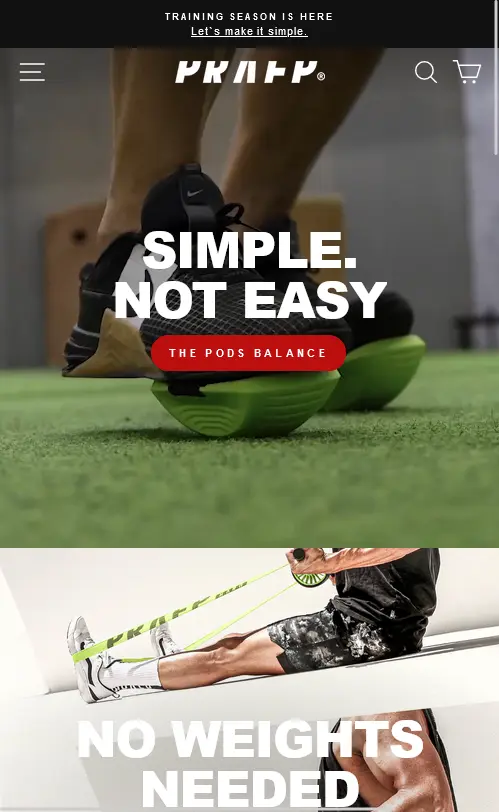
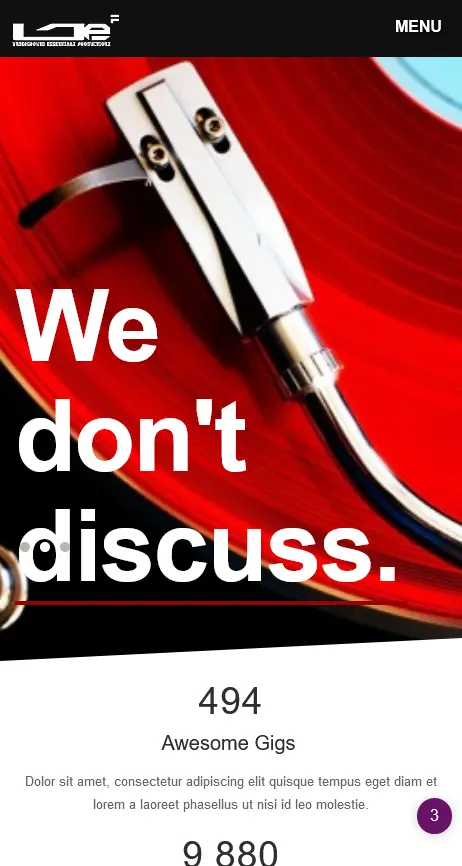
Responsive Typography & CSS
More info: 3oneseven awards 3oneseven design 2025 milo 3oneseven Style Guide Kunden bewertungen für 3onesevenDetermine the image you want to project with your publication and choose fonts with personalities that will fit that image.
Limit the number of typefaces you use in a publication. Many experts say to use a limit of two typefaces, but occasionally this will vary. Too many typefaces can create an unprofessional, jumbled image.
Look at various publications for ideas about which typefaces work well together and the images they project.
When using two typefaces, make sure they are very different. One typeface will probably be used for display type, such as headings, and the other for text. Strive for definite contrast between the two.
When choosing only one typeface family, choose one with a lot of variations, so you will have some flexibility with your text design. The typeface Helvetica has many variations such as Helvetica Bold, Light, Regular, Condensed or Narrow, Outline, and Black.
If you are unsure about which typeface to select, choose a common and reliable one such as Garamond, Palatino, Helvetica, Goudy, or Times Roman.
When using a display type that has very strong characters (type that is bigger and bolder than regular type), use a typeface for text that looks more neutral. Very elaborate typefaces can be hard to read. Limit their use to only a few words and make sure the words are legible.
All caps are harder to read than upper and lower case letters. Try to limit the use of all caps to two or three words. Some typefaces, such as Old English, are not designed to be used for all caps.
Use bold and italic type for just a few words.
Avoid setting large blocks of text in bold or italic type. Both styles are generally more difficult to read than regular type. A block of bold type tends to darken a page.
Typeface weight will have a large impact on the color or darkness of your page. Thin lines will create a light and airy appearance, while thick lines will create a dark and heavy appearance. Weight can be very important to the image of a publication.
Different typefaces take up different amounts of space. Some fonts are larger and take up more space per letter. This can greatly affect the length of a publication.
The reader’s eye is attracted by white space. It gives the eye a rest and calls attention to what it surrounds.
Break multi-line headings by phrase (where a spoken pause would occur). Place more white space above heading than below. This signals the reader that the heading goes with the text below it.
Increase the spacing between lines or leading to create a lighter-looking page.
FAQ Questions
Answers to help you understand how work, collaboration, and results get delivered.
What industries do you work with?
From fresh startups to established global brands, we work with them all.
View client list.
How long does a project take?
Most projects are delivered in 4 to 8 weeks, however large migration projects tend to last uup to 3 months.
View migration service.
How do you handle international clients?
Collaborating with international teams across different time zones seamlessly.
Get to know milo.
Do you offer ongoing support?
Yes, providing maintenance and growth plans for different areas with various packages.
View all services.
What makes 3oneseven different from other agencies?
Featuring a five-star track record in the design, setup & optimization of ecommerce stores.
Meet milo.