Featured Stories

The Key

The Key: Short story by Isaac Bashevis SingerThe major messages of this story by Isaac Bashevis Singer are that there is a lot of kindness in the world for those who open their hearts to it, and to live life to the fullest. An elderly widow who has lived alone for almost twenty years has become a recluse. With no family or friends, she distrusts everyone and lives in poverty despite having a fortune hidden in her house. A broken key that causes her to spend a night on the streets is her “key” to understanding and redemption. Themes include ageing, isolation and loneliness, paranoia, redemption.

Continue ReadingThe Key

The Legend of the Christmas Rose

The Legend of the Christmas Rose: Short story by Selma LagerlöfThe major themes of this Christmas story from Selma Lagerlöf are faith, forgiveness, redemption and, of course, the supernatural (the miracle of the Christmas garden). When the wife of an infamous outlaw is discovered admiring a monastery’s herb garden, she tells its Abbot that his prized garden is nothing compared to the one that emerges from the snow outside their forest hideout each Christmas Eve. In the hope of getting her husband pardoned, she agrees to lead the Abbot to see the miracle. Other themes: judging by appearances, mistrust, and materialism (the idea that the poor are closer to God).

Continue ReadingThe Legend of the Christmas Rose

Bliss

Bliss: Short story by Katherine MansfieldIn this story from Katherine Mansfield, a thirty-year-old wife and mother who marvels at her joyful, upper middle-class life learns the meaning of the proverb ignorance is bliss. Throughout the story, which takes place over a single day, she seeks to identify the source of her happiness. Over dinner with some artistic friends, there is an indication that it may be linked to a new friendship with a female guest. Strangely, this results in her first ever strong sexual desire for her husband. Alas, her lust and bliss are soon shattered. Themes: happiness, modernity, sexuality and desire, deception, adultery.

Continue ReadingBliss

Gimpel the Fool

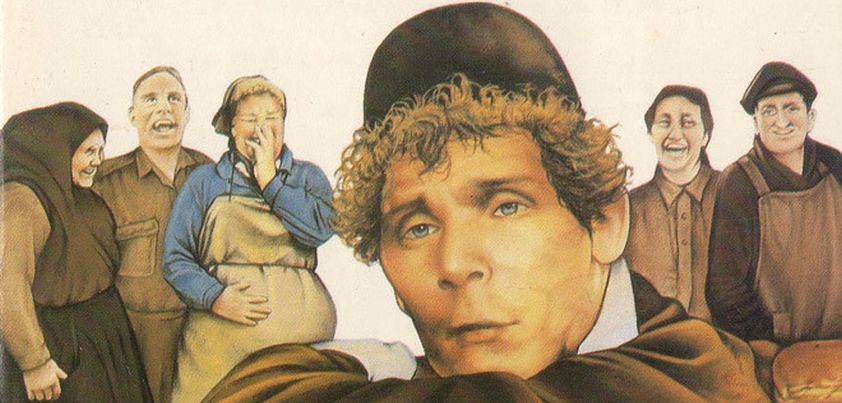
Gimpel the Fool: Short story by Isaac Bashevis SingerIf you take the story at face value (which is often dangerous with a first person narration), Isaac Singer’s Gimpel is no fool. He understands and rationalizes all that has happened in his life, claiming to have been misjudged due to being too trusting and accommodating towards others. Sadly, although not considering himself a fool, he feels compelled to accept the title. The real fools are shown to be those who took advantage of Gimpel, especially his debauched wife who suffers the consequences in the afterlife. Themes: faith, kindness and integrity, forgiveness, strength and wisdom, acceptance.

Continue ReadingGimpel the Fool

The Final Problem / Empty House

The Final Problem / Empty House: Short stories by Arthur Conan DoyleToday we have two stories by Arthur Conan Doyle dealing with the “death” and “rebirth” of Sherlock Holmes. In The Final Problem, Holmes has his first and last encounter with master criminal and his intellectual equal, Professor James Moriarty. After a pursuit across Europe, the pair are believed to have perished when they tumbled off the Reichenbach Falls during a struggle. In the Adventure of the Empty House, Holmes miraculously returns to bring three remaining members of Moriarty’s criminal network to justice. In capturing the first, he solves an important murder investigation. Themes include justice, pursuit, deception, courage, sacrifice, death.

Continue ReadingThe Final Problem / Empty House

The Treasure in the Forest

The Treasure in the Forest: Short story by H. G. WellsIn this adventure story by H. G. Wells, two men arriving by canoe on a deserted Borneo island have killed another to get their hands on a map. As well as including some strange symbols and unintelligible Chinese writing, the map shows the location of a buried treasure. When the men reach the spot, they are delighted to find the treasure intact. As they carry some of it away, they learn to their cost the meaning of the symbols on the map, and why its owner was smiling as they killed him. Themes include greed, crime and punishment, karma.

Continue ReadingThe Treasure in the Forest

Death in Venice

Death in Venice: Novella by Thomas MannThis Thomas Mann classic is renowned for its masterful psychological profile of Aschenbach, a jaded, aging writer who develops an unhealthy infatuation with a fourteen-year-old-boy during a Venetian holiday. Although the novella’s central theme (homosexuality) is no longer controversial, other aspects of the story (pedophilia and stalking) certainly are. Sympathy for Aschenbach is greatly diminished when, out of selfishness, he decides not to warn the holidaying boy’s family about a deadly epidemic being covered up by authorities. Many readers see Aschenbach’s fate as just punishment for his actions. Other themes: art and the artist, alienation, obsession, depravity, death.

Continue ReadingDeath in Venice

The End of the World

The End of the World: Short story by Dino BuzzatiThis story by Dino Buzzati is a satire of false piety. The fist of God appears in the sky, signaling the end of the world. Two friars, happy to have been proven right, laugh and make fun of the panicking crowds. The rich buy up the services of most available confessors, while charlatans pretending to be priests do house-calls to hear confessions from those who can afford it. A young priest cornered by a crowd mechanically takes confession after confession, before damning them all to hell for cheating him of his own salvation. Themes include piety, Armageddon, fear, greed, hypocrisy.

Continue ReadingThe End of the World