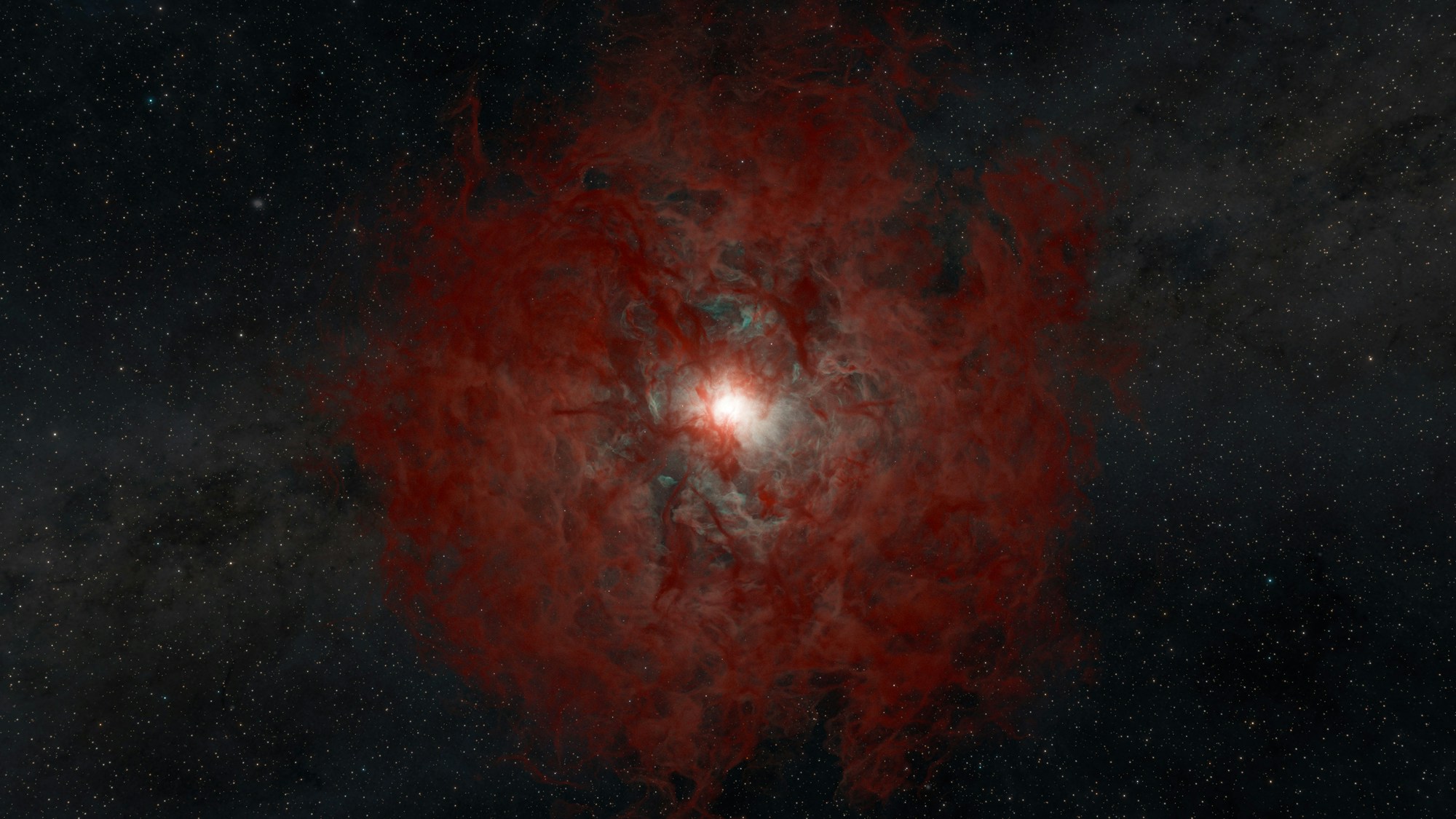
Astronomers may have uncovered how the most common types of planets in our galaxy grow. The discovery confirms astronomers’ theories that these planets start as 'bloated' babies but quickly lose much of their thick atmospheres.
From Ringing Black Holes to Restoring Gut Health: Science at Simons in 2025
A look back at the year’s biggest discoveries and defining stories.
Funding Opportunities
Our grantmaking efforts focus on mathematical and physical sciences, life sciences, and autism and neuroscience research.
Announcements
Science, Society & Culture
January 12, 2026
Mathematics & Physical Sciences
January 05, 2026
Science, Society & Culture
December 08, 2025
Articles
Simons Society of Fellows
December 01, 2025

Global Brain
November 19, 2025

Center for Computational Biology
January 08, 2026

Fellows-to-Faculty Award
January 06, 2026

Simons Foundation
December 22, 2025

Fellows-to-Faculty Award
December 17, 2025

What We're Reading
January 15
1
Most Planets in Our Galaxy Are Born ‘Bloated’, New Study Suggests, BBC Science Focus
2
“There Are Two Possible Futures for American Science,” Issues in Science and Technology
Simons Foundation president David Spergel talks about the evolving landscape for science philanthropy, his outlook for the research enterprise, and remaining hopeful in an uncertain time.
3
A Quantum Trick Helps Trim Bloated AI Models, Science News
Tensor networks grapple with the complexities of both quantum particles and machine learning.
4
To Boost Research, States Are Building Their Own AI-Ready Supercomputers, Science
New York aims to democratize access to hardware often limited to federal labs and Big Tech.