


-
South Korea’s former president was sentenced.
Yoon Suk Yeol was given five years in prison for obstructing justice, the first court ruling related to his Dec. 2024 martial law attempt, which resulted in a drawn-out impeachment battle and months of political turmoil. This case focused on his use of presidential security services to block his arrest, and is separate from the main insurrection case, in which prosecutors are seeking the death penalty.
-
Canada and China are “forging a new strategic partnership.”
Canadian Prime Minister Mark Carney announced on Friday an initial trade deal under which Canada will lower tariffs on Chinese electric vehicles from 100% to 6.1%. In exchange, Mr. Carney said he expects China to lower tariffs on Canadian canola seed, among other products. Mr. Carney is the first Canadian prime minister to have visited China in nine years, amid tensions between the two. Canada is looking to strengthen that relationship amid greater tensions with the United States today.
-
Venezuela’s Machado offered Trump her Nobel prize.
The opposition leader, María Corina Machado, met the president at the White House yesterday. She said she presented him her Nobel Peace Prize, which she won for her pro-democracy work, in recognition of his “commitment [to] our freedom.” The Trump administration has sidelined Ms. Machado after ousting authoritarian Nicolás Maduro from power, instead backing his vice president Delcy Rodríguez.
-
U.S. and Taiwan signed deal to lower tariffs.
The agreement caps tariffs on Taiwanese goods at 15% in exchange for $500 billion in investments in U.S. tech industries. The Commerce Department said the pact would spur a “massive reshoring” of semiconductor production it views as “vital” to industrial, technological, and military strength. The agreement comes as Taiwan’s chip giant TSMC ramps up investment amid soaring AI demand.
 New Gaza governing committee meets, a step forward for fragile ceasefire
 In Minneapolis and beyond, businesses ban ICE officers as outrage grows
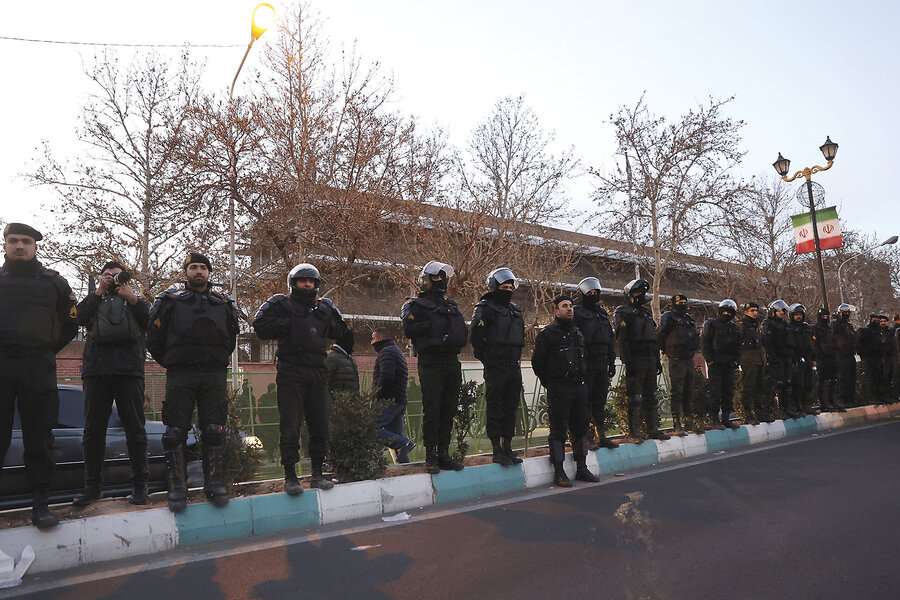
 In Iran, shah’s 1979 fall echoes in today’s protests
 Musk reins in Grok from making provocative images. Is it a victory for Europe?
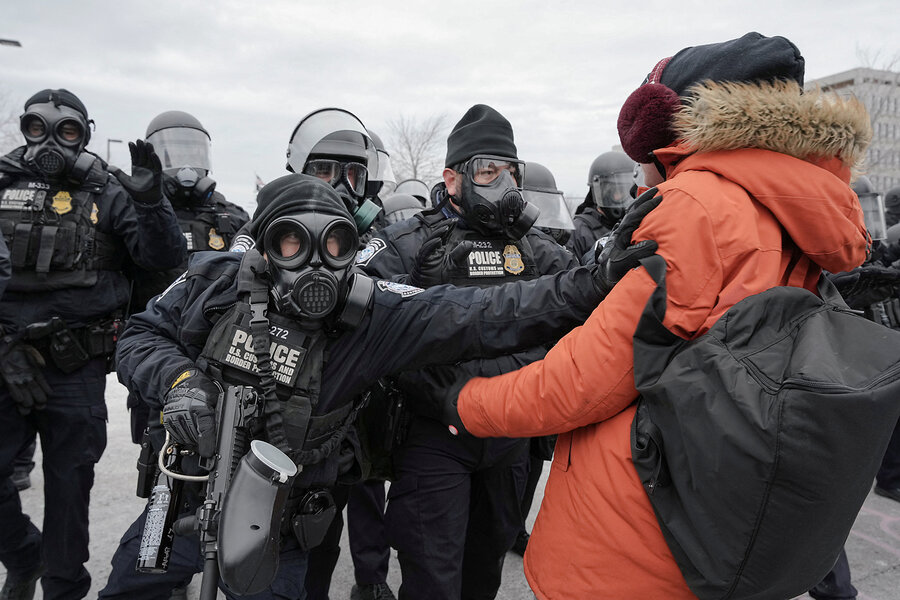
 Protest, lawbreaking, or terrorism? ICE opponents face ‘extremist’ label.
 ‘Young Mothers’ paints a compassionate portrait of teen motherhood
 Tennessee songbird: Dolly Parton’s rise to country music superstardom





 Gulf powers fall out over Yemen. At stake is cooperation over Gaza and Syria.
 Does the US need to own Greenland to be secure? History suggests not.
 Cuba has wielded global soft power for decades. Why that matters now.
 On election day, Ugandan youth weigh stability versus possibility
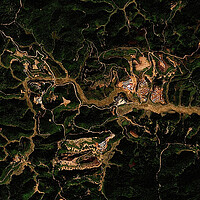
 How the race for rare earths could shape Myanmar’s civil war
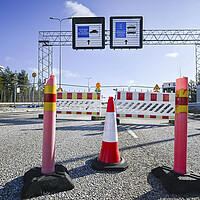
 Letter from Moscow: For travelers in Russia, road to Europe is longer than ever



- In Minneapolis and beyond, businesses ban ICE officers as outrage grows
 Trump exits global bodies in the name of ‘America First.’ Who benefits?
 ICE policy limits use of lethal force. Minnesota shooting tests those constraints.
- Protest, lawbreaking, or terrorism? ICE opponents face ‘extremist’ label.
 In war powers vote on Venezuela, Senate offers rare rebuke of Trump
 Powell pushes back on Fed probe as Trump denies intimidation charge
- Does the US need to own Greenland to be secure? History suggests not.
 Special ProjectRebuilding trust
Can trust bring connection and hope to help us find common ground in a divided world? Without trust, suspicion begets friction, division, and immobility. Today, too many realms are seeing trust deficits grow: between citizens, across racial lines, in government. This special project explores through global news stories how polarized parties are navigating times of mistrust and how we can learn to build trust in each other.
 Special SeriesThe Climate Generation: Born into crisis, building solutions
Climate change is shaping a mindset revolution—powerfully driving innovation and progress. And young people are leading the transformation. This special series focuses on the roles of those born since 1989, when recognition of children's rights and the spike of global temperatures began to intersect. The stories include vivid Monitor photography, and are written from Indigenous Northern Canada, Bangladesh, Namibia, Barbados, and the United States.


Two ways to subscribe


Already a subscriber? Log in to hide ads.