
As a full-stack developer with over 15 years building complex web apps, I‘ve worked extensively honing best practices for handling images in HTML. Images can greatly enhance user experience and conversions for websites when utilized properly. However, they can also degrade performance if not carefully optimized.
In this comprehensive 3,000 word guide, you‘ll gain professional insight into working with images stored in folders for HTML websites and web apps. I‘ll cover advanced troubleshooting, automations, sizing techniques, processing workflows and more – equipping you with all the knowledge to create responsive, high performance, visually engaging web images.
Why Folder Images are Essential in Modern Web Design
Before we dive into the code and optimization details around local images, let‘s explore why they are so crucial for modern web experiences…
1. Improved Performance
Serving images from a local folder on the same domain as your HTML pages provides big performance wins over externally hosted images. Local images eliminate extra network requests and minimize latency as browser can load files faster from the same origin web server.
2. Cost Savings
Hosting images on third-party CDNs and cloud storage comes with recurring monthly charges, especially at scale with large volumes of images. With a local image folder, you avoid these unnecessary external costs.
3. Design Flexibility
Relying on external platforms to host images introduces potential design constraints. A local image folder grants full control to create images matched exactly to your brand style and sizing needs.
4. Faster Iterations
Making tweaks and adding new images is simplified greatly via local folders. No need to reupload images or make changes across external accounts each iteration.
As you can see, maintaining a local images folder holds tremendous strategic benefit for any impactful web project.
Now let‘s get into the implementation details…
Step 1 – Setting up an Optimized Image Storage System
The first step is structuring your image storage properly for web. Ideally, you should have:
- Local image source folder on your web server/computer
- Asset pipeline processing images when added
- CDN distribution of the optimized images
This allows you to store original images locally, automatically process them for web use, and globally distribute the optimized end results – giving both flexibility and performance.
Here is an example setup:
Web Server
|-- site folder
   |-- source-images/
        |-- large-images/
   |-- processed-images/

CDN Server
|-- cdn-images/
Using this:
- Add original images to
/source-images/large-images/folder - Asset pipeline automaticaly resizes/compresses images on image add
- Outputs processed smaller images into
/processed-images/for CDN sync - CDN distributed images worldwide from
/cdn-images/
This provides structured flow from source files, to transformed derivatives, to globally distributed assets – key for scale.
Now that we have the high level system down, let‘s jump into the code and paths for adding HTML images…
Step 2 – Folder Setup & Relative Paths
With our image storage infrastructure set up, we need to properly reference the processed-images folder containing our web-ready image assets.
This is easily achieved using relative file paths in our <img> source attributes:
<img src="/processed-images/headshot.jpg">Using relative paths like this allows us to dynamically link images regardless of domain.
On our development server, that path would resolve to:
dev.website.com/processed-images/headshot.jpgAnd then automatically work on our production URL:
website.com/processed-images/headshot.jpgThis helps reduce hard-coded URLs tieing you to a single environment.
Now let‘s explore additional key practices around image declarations in HTML…
Step 3 – Improving Image Performance with width and height
Simply adding folder images can still present performance problems if we don‘t consider page load sequencing…
Without declared dimensions – poor UX:
- HTML loads
- Browser waits on image download to allocate space
- Page shifts around as images load asynchronously
With declared dimensions – improved experience:
- HTML loads
- Browser allocates proper space immediately
- Images load smoothly into allocated areas
That allocated space while images fetch is critical for optimization.
We can declare and reserve image space by adding width and height directly on <img> elements:
<img src="images/hero-image.jpg" alt="People gathered around picnic" width="800" height="600">This gives browsers sufficient information to reserve appropriate page space during HTML rendering – eliminating unsightly layout shifts.
Now let‘s talk advanced techniques…
Step 4 – Responsive Image Sizing for Faster Performance
Taking optimizations a step further, we can leverage srcset and sizes to fine tune image serving across device sizes and networks:
   <img
     srcset="small.jpg 500w,
             medium.jpg 800w,
             large.jpg 1200w"

     sizes="(max-width: 600px) 100vw,
            (max-width: 1200px) 800px,
            1200px"

     src="large.jpg" alt="Cool landscape">
Breaking this down:
- srcset – Provides list of images with pixel densities
- sizes – Media conditions dictating which densities are chosen
- src – Fallback for old browsers
The beauty here is visitors will only load image assets appropriate for their viewport and device capabilities – optimizing bandwidth.
We can take that concept a step further with…
Step 5 – Building an Automated Responsive Image Pipeline
Manually outputting multiple image size derivatives with unique file names can quickly become cumbersome at scale.
That‘s why I recommend automating image transformations through a build pipeline.
For example:
// Image processing pipeline
const sharp = require("sharp");

sharp(‘source.jpg‘)
  .resize(3200)
  .toFile(‘large.jpg‘)

  .resize(1600)
  .toFile(‘medium.jpg‘)

  .resize(800)
  .toFile(‘small.jpg‘);
Here Sharp handles processing our source image into multiple sizes programmatically.
You can then dynamically inject output paths right into your template:
<img srcset="<?= $smallImage ?> 500w, <?= $mediumImage ?> 1000w..."> Giving you a maintainable system for handling device-targeted image serving.
Now for one of the most complex processes…
Step 6 – Building an Automated WebP Image Converter
JPG and PNG historically dominated the web for photographic and transparent images. However, modern WebP images provide drastically improved lossy and transparent compression capabilities.
Support can be shaky so JPG/PNG fallbacks are still needed – making WebP complexity high to manage.
Until recently, I manually optimized and converted images to WebP variants. However, at scale across a site this ineffective.
Instead I built an automated WebP converter pipeline:
// WebP Converter
const sharp = require(‘sharp‘);
const webp = require(‘webp-converter‘);

sharp(sourceImg)
   .toFormat(‘webp‘)
   .toBuffer()
   .then(buffer => {
      webp.grant_permission(buffer)
         .then(convertedBuffer => {
            saveToDisk(convertedBuffer);

            // Also save fallback
            sharp(sourceImg).toFile(fallbackName)
         })
   })
This leverages Sharp for image processing then uses a WebP module to handle browser compatibility fallbacks automatically.
The end result is a system that produces WebP images with fallbacks consistently in a unified structure. Huge time savings!
This is just one example of extending an asset pipeline‘s capabilities using scripts for advanced workflows.
Now that we have pro image workflows, let‘s touch on front-end concerns…
Step 7 – Styling and Positioning Images via CSS
Images loaded into HTML documents often require additional styling help to look great. We can refine images visually using CSS:
img {
  display: block;
  max-width: 100%;
  height: auto;
  margin: 0 auto;
  border: 1px solid #eee;
}
Common enhancements like:
- Max-width 100% – Makes images responsive to parent container
- Height auto – Preserves aspect ratio as image scales
- Margins – Applies alignment and spacing
- Borders – Adds stylized image frames
Additionally, more advanced visual effects are possible like shadows, rounding, overlays and beyond:
img {
  box-shadow: 0 2px 10px #333;
  border-radius: 4px;
}

.overlay {
   position: relative;
}

.overlay::after {
  content: ‘‘;
  position: absolute;
  top: 0;
  bottom: 0;
  left: 0;
  right: 0;
  background: rgba(0,0,0,0.5);
}
As you can see, HTML folder images offer tremendous creative possibilities for unique designs.
Now, let‘s tackle some common issues you may encounter…
Step 8 – Diagnosing and Debugging Image Problems
Even seasoned developers run into frustrating image bugs. But staying calm and using a structured debugging process makes resolution manageable.
Here are some common image pitfalls and my recommended troubleshooting techniques:
Problem: Images not displaying at all
Fix: Verify image file extension matches type (like .jpg), resource actually exists at URL, and case sensitivity matches local folder structure.
Problem: Pixelated blurry images
Fix: Double check pixel density matches screen size, particularly on high resolution displays like Retina. Increase density as needed.
Problem: Page layout movement as images load
Fix: Always set explicit width + height dimensions on images to allocate space during initial HTML load to prevent reshuffling.
Problem: Images displaying locally but not on production
Fix: Path is likely incorrect – triple check for typos. Use right click + inspect image to validate live URL resolves correctly.
Problem: Images downloading excessively slow
Fix: Ensure properly compressed formats like JPG are used for photos. Host images on fast CDN like Imgix or Cloudinary for more reliable delivery around the globe.
As you can see, most image issues boil down to incorrect paths, missing files and insufficient dimensions. Following web fundamentals like validating URLs and setting height + widths solves most cases.
Step 9 – Streamlining Workflows with Image Editors
Coding image handling certainly poses challenges. However, using modern web editors and tools can help expedite working with images.
For example, Visual Studio Code has phenomenal built-in image preview and linting:
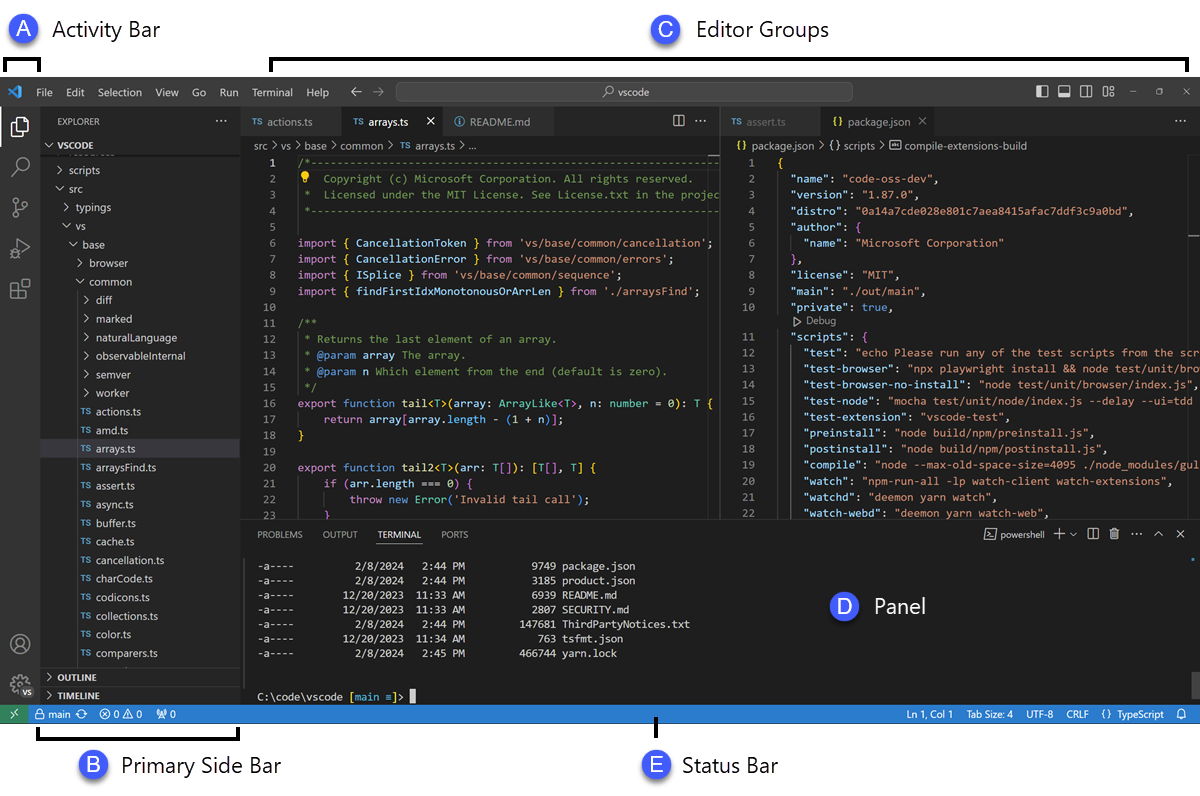
And using Image Tools plugin takes it up a notch with resize previews and base64 conversions directly in the editor like so:

These tools help optimize writing efficient image code without constantly switching contexts or losing focus.
For more robust image work, GIMP and Inkscape provide extremely powerful free photo and vector editors as open source alternatives to Photoshop.
The right editor can make wrangling images for HTML far less stressful.
Let‘s now talk delivering images rapidly anywhere…
Step 10 – Distributing Images Globally via CDN
While serving images locally from our processed folder provides good performance, websites with global visitors require using a Content Delivery Network.
CDNs distribute image assets cached on geo-distributed edge server locations around the globe for lower latency delivery, better caching and fewer timeouts.
My preferred CDN provider is Imgix – offering automated format conversions, fined tuned image optimization and real-time manipulation using URL parameters.
For example, this URL serves our hero image compressed, resized, converted to WebP automatically based on the browser:
https://mycompany.imgix.net/Africa_safari.jpg?auto=format&fit=clip&w=400&q=50And their global edge network ensures visitors in Singapore see snappy image load speeds as well. Offloading asset distribution unlocks tremendous performance potential.
Conclusion & Next Steps
And there you have it – a comprehensive deep dive into expert techniques for working with HTML images stored in local folders!
We covered:
- Optimized image storage infrastructure
- Automated asset processing pipelines
- Performance focused
width,heightandsrcsetimplementations - Debugging common image loading pitfalls
- CDN distribution for faster global delivery
- Image editors, tools and workflows
Be sure to use this guide as a detailed reference when working on your next web project with images. Mastering these methods can help your websites look amazing and load at light speed for more conversions.
For additional image optimization tactics, I highly recommend exploring newer formats like AVIF, lazy loading using the loading attribute, and more advanced frameworks like Gatsby Image.
I wish you monumental success breathing new life into your sites with enhanced visuals!
Let me know if have any other questions @codesleuth!

