
Issue published July 1, 2026 Previous issue

- Volume 136, Issue 13
Go to section:
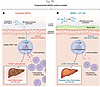
On the cover: SGLT2 inhibitors promote ketogenesis via allosteric activation
Abdualkader et al. report that SGLT2 inhibitors boost ketone production by directly activating a liver enzyme, revealing a mechanism that may contribute to their heart and kidney benefits. The cover image shows the crystal structure of human mitochondrial 3-hydroxy-3-methylglutaryl-CoA synthase 2 (HMGCS2) homodimer (rainbow ribbons) bound to empagliflozin (gray sticks). Molecular structures were visualized and rendered using PyMOL (Schrödinger, version 3.1.0).

-
Review Series
×
Abstract
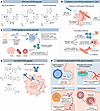
The cyclic GMP-AMP synthase–stimulator of interferon genes (cGAS-STING) pathway is a central regulator of innate immunity that links cytosolic DNA sensing to type I IFN and inflammatory responses. While initially viewed as a uniformly beneficial antiviral and antitumor signaling axis, emerging evidence reveals that cGAS-STING functions as a context-dependent immune rheostat whose impact is dictated by signal magnitude, timing, cellular origin, subcellular localization of signaling components, and tissue context. These parameters explain why pathway activation can promote tumor rejection, vaccine efficacy, and host defense in some settings yet drive immune suppression, metastasis, neuroinflammation, or autoinflammatory disease in others. In this Review, we synthesize mechanistic and clinical insights across agonist and antagonist strategies targeting the cGAS-STING pathway in cancer, infectious disease, neurodegeneration, and interferonopathies. We highlight why first-generation STING agonists have underperformed clinically and how next-generation delivery systems and cGAS-directed approaches may overcome these limitations. We propose a disease-centric framework that integrates spatial delivery, dosing architecture, and pharmacodynamic biomarker discovery to enable rational modulation of cGAS-STING, repositioning the pathway as a tunable immunologic control node for precision therapy rather than a binary on/off switch.
Authors
Akanksha S. Mahajan, Connor M. Forsyth, Cao Dai Phung, Xinhe Shen, Rachel Jarvis, Alexander H. Stegh
×Abstract
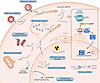
The cGAS/STING pathway enables cells to sense cytosolic DNA and mount rapid innate immune responses to infection, cellular stress, and tissue damage. While essential for host defense and immune surveillance, inappropriate or sustained activation of this pathway can drive chronic inflammation, autoimmunity, and disease-associated immune dysfunction, which can promote cancer growth. Effective immunity therefore depends on precise regulatory control that restrains cGAS/STING activity under homeostatic conditions while preserving the capacity for swift and robust responses to diverse danger signals. In this Review, we synthesize emerging principles that regulate cGAS/STING signaling across cellular contexts to control signal initiation, amplification, and termination. We discuss how disruption, persistence, or pathological rewiring of these regulatory processes contributes to immune imbalance across health and disease, promoting chronic inflammation, immunosuppression, and tissue pathology, with particular relevance to tumor progression and therapeutic resistance. Finally, we consider how restoring appropriate cGAS/STING regulation, rather than simply enhancing or inhibiting pathway activity, may reestablish immune homeostasis and improve therapeutic outcomes in cancer and other inflammatory diseases, framing the pathway as a dynamic regulatory circuit rather than a simple linear signaling cascade.
Authors
Min-Guk Cho, Rachel Lee, Jaycee Johnson, Gaorav P. Gupta
×Abstract
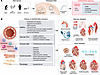
Cardiovascular diseases (CVDs) remain the leading cause of mortality and morbidity worldwide, highlighting the need for novel therapeutic approaches. Inflammation plays a key role in CVD pathogenesis, and accumulating evidence has implicated the cyclic GMP-AMP synthase/stimulator of IFN genes (cGAS/STING) pathway in this process. The cGAS/STING pathway recognizes both non-self- and self-DNA, including mitochondrial and nuclear DNA, to activate its downstream proinflammatory signaling molecules, including TANK-binding kinase 1, IFN regulatory factor 3, and NF-κB. Various pathological stressors have been shown to induce self-DNA release into the cytosol and bloodstream from damaged cells in the cardiovascular system, indicating that circulating cell-free DNA is a useful biomarker of CVDs; however, how this contributes to the inflammatory signaling, cell death, and fibrosis that characterize CVDs remains unclear. Here, we discuss the current understanding on the roles of self-DNA and the cGAS/STING pathway in the pathophysiology of CVDs and the therapeutic potential of targeting this pathway.
Authors
Wataru Saitoh, Yasutomi Higashikuni, Oyunbileg Bavuu, Masataka Sata, Daiju Fukuda
-
Commentaries
×
Abstract
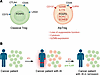
Immune checkpoint inhibitor–induced inflammatory arthritis (ICI-IA) is an immune-related adverse event (irAE) following treatment with PD-1, PD-L1, or CTLA-4 inhibitors in patients with cancer. In this issue of the JCI, Ma and colleagues identified a subset of regulatory T cells (Tregs) that coexpress CD137 and IL-6 receptor (IL6R), termed atypical Tregs (AtpTregs), which are selectively enriched in patients with ICI-IA. Functionally, AtpTregs exhibited reduced suppressive capacity and a Th17-like proinflammatory phenotype. Notably, these cells were associated with more severe arthritis, yet improved cancer outcomes, suggesting a potential role in tumor control. The anti-IL6R therapy tocilizumab, administered as an off-label intervention for ICI-IA, reduced AtpTreg abundance and alleviated arthritis while maintaining antitumor immunity in a small cohort of patients with new-onset ICI-IA. Thus, anti-IL6R could be a targeted approach to manage ICI-IA and potentially other irAEs involving AtpTregs.
Authors
Smriti Parashar, Klaus Ley
×Abstract
Cells use plasticity programs to change lineages, which aids in tissue regeneration and remodeling but also allows aberrant cells to become cancerous and escape therapy. For example, tumor cells in invasive mucinous adenocarcinoma (IMA) emerge from lung epithelial cells by a plasticity program that reprograms them into gastric epithelium–like cells. In this issue of the JCI, Dadzie et al. show that hepatocyte nuclear factor 4 α (HNF4α) promotes gastric identity in lung epithelial cells via a mechanism involving restriction of FOXA1 and FOXA2 transcription factors to gastric gene enhancer loci. HNF4α also promotes resistance to KRAS inhibition by increasing nuclear factor erythroid 2–related factor 2 (NRF2) activity. These findings may advance therapeutic avenues in IMA.
Authors
Raymond Ho, Jason C. Mills
×Abstract
Metabolic dysfunction–associated steatohepatitis (MASH) is increasingly linked to disruptions of the gut/liver axis, yet the microbial mechanisms driving disease progression remain incompletely defined. Here, Qu et al. have identified ileal microbial ammonia production by Clostridium perfringens as a mechanistic driver of epithelial barrier dysfunction and hepatic CD8+ T cell remodeling in MASH. In nonhuman primate and mouse models of MASH, the authors demonstrated that the glycine-based tripeptide DT-109 restored gut barrier integrity and attenuated FosB-mediated CCL5 expression in CD8+ T cells via inhibition of bacterial nitrite reductase A–mediated microbial ammonia production. These findings position microbial nitrogen metabolism as a tractable therapeutic target and highlight metabolite-focused microbiome interventions as a potential MASH intervention.
Authors
Vanessa A. Leone, Arion Kennedy
×Abstract
Advances in antigen discovery and autoantibody profiling have reshaped the classification of autoimmune kidney diseases, moving beyond purely histologic definitions. The identification of podocyte-targeting autoantibodies has transformed the understanding of nephrotic syndrome, prompting renewed interest in autoimmune mechanisms underlying podocytopathies. Recent reports of nephrin autoantibodies in minimal change disease, the most common cause of nephrotic syndrome in children, suggested a potential antigen-defined subset, but findings have been inconsistent. In this issue of the JCI, Pecoraro and colleagues advance the field by systematically interrogating anti-nephrin antibodies across a diverse nephrotic syndrome cohort using human-based and orthogonal approaches. Their results highlight critical limitations in assay specificity and cohort heterogeneity while raising the question of the clinical utility of anti-nephrin antibodies in the care of patients with minimal change disease. More broadly, this study underscores the need for collaboration to establish standardized assays and rigorously phenotyped cohorts.
Authors
Dhruti P. Chen, Ronald J. Falk

-
Research Letters
×
Abstract
Authors
Abdualrahman Mohammed Abdualkader, Xiaobei Li, Yiming Yin, Chenhao Bai, Parisa Pourfarziani, Jiaheng Guan, Sora Kwon, Kyoung-Han Kim, Rami Al Batran
×Abstract
Authors
Ryan A. Moon, Rafael Sobrano Fais, Minwoo Kim, Neal T. Vogel, Jenna B. Mendelson, Lynn M. Hartweck, John P. Carney, Melissa K. Gardner, Sally E. Prins, Sasha Z. Prisco, Tim Lahm, Kurt W. Prins


-
Research Articles
×
Abstract
Gene therapy–based biological pacemakers have been proposed as an alternative to their hardware-based counterparts. In this context, short-term ectopic expression of the T-box transcription factor 18 (TBX18) in the ventricle has been reported to generate potent, short-term pacemaker function in various animal models. Here, we investigated the impact of adeno-associated virus–mediated (AAV-mediated), long-term expression of TBX18 and compared the outcomes with those of the pacemaker ion channel hyperpolarization-activated cyclic nucleotide-gated potassium and sodium channel 2 (Hcn2). Our findings revealed that CMV-driven ectopic TBX18 expression in mouse hearts led to severe cardiac fibrosis. At lower, nonfibrogenic levels, TBX18 maintained its transcriptional function but failed to induce pacemaker phenotypes. TBX18-expressing cells showed suppressed expression of key working myocardial genes, but the pacemaker gene program was not induced. Electrophysiological studies showed abnormal automaticity in TBX18-expressing cells, combined with prolonged repolarization and various current changes. However, no hyperpolarization-activated funny current was detected. In a complete atrioventricular block rat model, AAV-mediated Hcn2 expression induced robust ectopic pacemaker activity in the presence of isoproterenol, whereas TBX18 expression neither generated such activity nor augmented Hcn2-mediated pacing. In conclusion, at functionally nonfibrogenic levels, TBX18 is neither sufficient nor necessary to induce pacemaker activity. In contrast, Hcn2 generates reliable pacing, making it a more viable candidate for biological pacemaker development.
Authors
Jianan Wang, Mathilde R. Rivaud, Mischa Klerk, Arie R. Boender, Ruud N. Visser, Rinske Sparrius, Hee Young Lee, Karel van Duijvenboden, Huiling Zhou, Yuting Yang, Emiel J.M. Kramer, Kyung Ho Park, Larry C. Park, Silke Schrödel, Christian Thirion, Eric Ehrke-Schulz, Anja Ehrhardt, Osne F. Kirzner, Klaus Neef, Hanno L. Tan, Arie O. Verkerk, Vincent M. Christoffels, Gerard J.J. Boink
×Abstract
Dysfunctional intestinal fibrosis is an irreversible complication of Crohn’s disease (CD). The complex heterogeneity of intestinal mesenchymal cells makes it difficult to understand the pathogenesis of intestinal fibrosis. Previously, we identified Meflin as a marker of fibroblast subsets. This study aimed to explore the role of Meflin-positive fibroblasts in intestinal fibrogenesis and investigate the potential of pharmacological control of Meflin expression as a treatment for patients with CD. Our results indicated that Meflin expression was upregulated in fibroblasts at the early stage of fibrosis but was downregulated in established fibrosis in both patients with CD and 2 different mouse models, which are the chronic dextran sodium sulfate (DSS) model and an IL-10–deficient model that spontaneously develops intestinal inflammation. Meflin-deficient mice exacerbated intestinal fibrosis with dysregulated expression of noncanonical Wnt ligand WNT5A and its receptor ROR2. Pharmacologically induced Meflin expression through the administration of a synthetic retinoid reversed intestinal fibrosis in the DSS model and suppressed profibrotic protein secretion in fibroblasts isolated from patients with CD. Our findings indicate that Meflin-positive fibroblasts represent a functional subpopulation that suppresses intestinal fibrosis. Augmentation of Meflin expression shows antifibrotic effects and holds promise as a therapeutic approach for intestinal fibrosis in patients with CD.
Authors
Jingxi Mu, Keiko Maeda, Tadashi Iida, Shinji Mii, Nobutoshi Esaki, Yukihiro Shiraki, Yasuyuki Mizutani, Masanao Nakamura, Takeshi Yamamura, Tsunaki Sawada, Eri Ishikawa, Kentaro Murate, Takashi Hirose, Kazuhiro Furukawa, Akina Oishi, Haruhiko Suzuki, Takayoshi Kishida, Goro Nakayama, Mitsuhiro Fujishiro, Hiroki Kawashima, Atsushi Enomoto
×Abstract
Lymphatic valves are essential for maintaining tissue fluid homeostasis, and their dysfunction leads to lymphedema, a morbid and disfiguring disease without a cure. Mechanical forces due to lymph flow are required for proper lymphatic valve development, yet it remains unclear how lymphatic endothelial cells (LECs) sense and decode mechanical signals. In this study, we identify the cell guidance semaphorin receptor plexin D1 (PLXND1) as a lymphatic mechanosensor required for lymphatic valve morphogenesis. Conditional genetic ablation of Plxnd1 in LECs caused major defects in lymphatic valve development in 2 different lymphatic vascular beds. Mechanistically, PLXND1 acted as a mechanosensor within a lymphatic mechanocomplex, initiating distinct mechanical signals and activating the lymphatic valve transcriptional program through an unconventional pathway. Screening of patients with primary lymphedema identified PLXND1 missense variants, and functional analysis established 2 pathogenic variants that selectively disrupt the ligand versus mechanosensing functions of this receptor. Variants associated with lymphedema in members of the mechanocomplex disrupted its formation, underscoring the central role of this complex in lymphatic valve biology. Our work uncovers a mechanosensing mechanism guiding lymphatic valve development, and has profound implications for the understanding and treatment of primary lymphedema in humans.
Authors
Kar-Lai Pang, Vedanta Mehta, Claire Aitken, Sara E. Dobbins, Jing Yu, Gabriele Bonetti, Adam N. Keen, Feiran Zhang, Amélie Sabine, Tatiana V. Petrova, Paul R. Riley, E. Yvonne Jones, Sandro Michelini, Matteo Bertelli, John S. Reader, Pia Ostergaard, Ellie Tzima
×Abstract
Tregs expressing forkhead box P3 (FOXP3) play crucial roles in maintaining immune tolerance and tissue integrity. EZH2, a histone H3 lysine 27 (H3K27) methyltransferase, is known as a key regulator of Treg identity and suppressive function upon activation. Here, we demonstrate that the H3K27 lysine demethylase KDM6B, which catalyzes the opposing reaction to EZH2, is also required for Treg identity and function after activation. Treg-specific deletion of Kdm6b impaired tissue Treg fate and function. KDM6B was upregulated after T cell antigen receptor signaling in Tregs and contributed to the regulation of Treg-associated gene expression through both direct and indirect mechanisms. A subset of Treg functional genes were direct targets of KDM6B and were co-occupied by FOXP3 at cis-regulatory regions, where KDM6B recruitment limited H3K27me3 accumulation. More broadly, KDM6B-dependent H3K27 demethylation facilitated Treg gene expression programs that supported tissue Treg homeostasis.
Authors
Minghong He, Beisi Xu, Pria G. Bose, Morgan J. McCullough, Rani S. Sellers, Xinying Zong, Wenjie Qi, Brianna L. Banten, Miriya K. Tune, Matthew P. Zimmerman, Genevieve Mullins, Brian C. Miller, J. Justin Milner, Jason K. Whitmire, Ageliki Tsagaratou, Karl B. Shpargel, Claire M. Doerschuk, Yong-Dong Wang, Jacob A. Steele, Shondra M. Pruett-Miller, Yongqiang Feng, Jason R. Mock
×Abstract
BACKGROUND Minimally invasive biomarkers predicting the immunotherapy response in head and neck squamous cell carcinoma (HNSCC) remain an unmet clinical need.METHODS In a prospective, multi-institutional phase II trial, we performed whole-genome sequencing of 185 longitudinal plasma cell-free DNA (cfDNA) samples from 68 patients with locally advanced, surgically resectable HNSCC who received neoadjuvant and adjuvant pembrolizumab. We developed the regional motif diversity score (rMDS), a fragmentomic metric that quantifies the entropy of cfDNA 5′-end motifs across genomic regions.RESULTS Unsupervised analysis showed that rMDS robustly distinguished responders from nonresponders, outperforming established fragmentomic metrics and copy number alterations while remaining independent of technical confounders. Longitudinal rMDS changes localized to regions enriched for immune-, lectin-, and keratinization-related genes — hallmarks of squamous cell carcinoma — reflecting tumor–peripheral immunity interplay during treatment. The most dynamic regions clustered at telomere-proximal loci, suggesting a link between telomere biology and cfDNA fragmentation. An rMDS-based machine learning classifier achieved AUC 0.89–0.99 across validation settings, with the highest accuracy after treatment, outperforming PD-L1 expression and tumor fraction in matched samples. Predicted responders showed improved disease-free survival (log-rank P = 0.035; HR 2.67, 95% CI 1.03–6.92).CONCLUSION rMDS represents a biologically meaningful and clinically actionable biomarker for the immunotherapy response in HNSCC, and merits integration into future risk assessment frameworks.TRIAL REGISTRATION ClinicalTrials.gov NCT02641093.FUNDING National Human Genome Research Institute (NHGRI), NIH grant R56HG012360; startup funds from Cincinnati Children’s Hospital Medical Center, Northwestern University, and Robert H. Lurie Comprehensive Cancer Center; Science Olympiad Alumni Research Grant, Science Olympiad USA Foundation; Merck Sharp & Dohme Corp.
Authors
Ravi Bandaru, Hailu Fu, Haizi Zheng, Jocelyn Liang, Li Wang, Shuchi Gulati, Benjamin H. Hinrichs, Mingxiang Teng, Bin Zhang, Masha Kocherginsky, De-Chen Lin, David A. Hildeman, Francis P. Worden, Matthew Old, Neal E. Dunlap, John M. Kaczmar, Maura L. Gillison, Dalia El-Gamal, Trisha Wise Draper, Yaping Liu
×Abstract
Medulloblastoma (MB) is the most common malignant pediatric brain tumor. Current therapies are associated with substantial morbidity, and prognosis remains poor in high-risk subgroups, particularly those with TP53 mutations or relapsed disease. Cellular senescence is a tumor-suppressive program implicated in MB, but its role in antitumor immunity remains incompletely understood. We found that protein phosphatase 2A (PP2A) regulated immunogenic senescence in MB. Genetic ablation of the PP2A catalytic subunit PP2Ac or depletion of the regulatory subunit PP2A-B56α induced senescence in MB models. PP2Ac-deficient senescent cells exhibited increased MHC class I expression and enhanced immunogenicity. In syngeneic orthotopic models, PP2Ac loss prolonged survival in an immune- and CD8+ T cell–dependent manner. Analysis of patient datasets showed that senescence-associated gene signatures correlated with improved survival. Single-cell transcriptomic analysis further revealed that senescent MB cells were heterogeneous and that reduced PP2A activity was associated with an immunogenic senescence state. Because the PP2A inhibitor LB-100 has limited potency and off-target effects, we developed a lipid nanoparticle (LNP) platform to deliver siRNA targeting PPP2CA. LNP–small-interfering PP2Ac efficiently silenced PP2Ac in vitro and, when delivered locally in vivo, prolonged survival in a CD8+ T cell–dependent manner. Together, these findings identify PP2A as a regulator of immunogenic senescence in MB and support PP2Ac targeting as a therapeutic strategy.
Authors
Winson S. Ho, Isha Mondal, Jingjing Liu, Raymond Sun, Jiawei Huo, Chao Gao, Oishika Das, Daren Tieu, Jingqi Sun, Hanchen Lin, Peng Zhang, Jiyang Yu, Rongze Olivia Lu
×Abstract
Cancers reflect aberrant growth and differentiation of normal cell populations. Biological understanding of small intestine neuroendocrine tumors (SI-NETs) is hampered because their closest normal counterparts, enteroendocrine cells (EECs), constitute tiny fractions of intestinal epithelium. Recent characterization of adult human EEC ontogeny from intestinal stem cells can help overcome that limitation. Transient expression of the transcription factor gene ASCL1 normally ensures proper timing and fidelity of well-differentiated EECs, which express NEUROD1. Here, we report that SI-NETs resembled mature enterochromaffin cells; however, individual tumor cells coexpressed stem/progenitor genes, harboring each differentiation state along the EEC trajectory except ASCL1+ precursors. We found that enhancers normally active, and others inactive, during EEC differentiation underlie aberrant SI-NET gene activity. SI-NETs uniformly expressed NEUROD1 but lacked ASCL1, owing to inaccessible chromatin and repressive H3K27me3 marking at the ASCL1 locus. Multiple cyclin-dependent kinase inhibitor (CDKi) genes were similarly silenced, other than CDKN1B, the only gene recurrently mutated in SI-NETs. Deletion of CDKN1B altered cell cycle kinetics during human EEC differentiation, and deletions of ASCL1 or CDKN1B activated certain genes that are expressed in SI-NETs but not in the normal EEC trajectory. We propose that a limited CDKi repertoire and absence of ASCL1-dependent constraints on EEC maturation together explain unique SI-NET characteristics.
Authors
Pratik N.P. Singh, Elsa Hadj Bachir, James R. Howe, Andrew M. Bellizzi, Paloma Cejas, Shariq Madha-Krause, Charles B. Epstein, Jennifer A. Chan, Bradley Bernstein, Matthew H. Kulke, Qiao Zhou, Ramesh A. Shivdasani
×Abstract
Cellular plasticity is a hallmark of cancer, enabling tumor cells to alter identity and evade therapeutic pressure. In invasive mucinous adenocarcinoma of the lung (IMA), NK2 homeobox 1 (NKX2-1) loss triggers a pulmonary to gastric switch marked by aberrant activation of hepatocyte nuclear factor 4 alpha (HNF4α), a master regulator of gastrointestinal/hepatic differentiation. We show that HNF4α promoted IMA growth and activated a gastric pit cell–like program. Loss of HNF4α enabled forkhead box A1 and A2 (FoxA1/2) transcription factors to bind de novo sites and activate alternative, nongastric identities in IMA. HNF4α also established a mucinous program associated with tolerance to KRAS blockade, and loss of HNF4α enhanced response to KRASG12D inhibition. Mechanistically, HNF4α blocked cell-cycle exit in drug-tolerant persister cells and promoted activity of the antioxidant transcription factor nuclear factor erythroid 2–related factor 2 (NRF2). NRF2 activation partially rescued the effects of Hnf4a deletion on KRASG12D inhibition, whereas NRF2 inhibition enhanced sensitivity to KRASG12D blockade. Thus, HNF4α is a key regulator of growth, identity, and primary response to KRASG12D inhibition in IMA.
Authors
Headtlove Essel Dadzie, Yangsook Song Green, Soledad A. Camolotto, Henry U. Arnold, Matthew Gumbleton, Minzhe Guo, Mari Mino-Kenudson, Yutaka Maeda, Benjamin T. Spike, Eric L. Snyder
×Abstract
We previously identified a muscular dystrophy caused by biallelic variants in JAGGED2 (JAG2), whose protein product, JAG2, is a canonical NOTCH ligand. However, the disease mechanism remains unclear, particularly with respect to muscle stem cell (muscle satellite cell/MuSC) function and muscle regeneration. We examined the consequences of JAG2 deficiency and modeled pathogenic JAG2 variants in vitro and in vivo, the latter in mouse and fly models and with particular attention to the MuSC–muscle endothelial cell (MuEC) niche. We found that both Jag2 deficiency and overexpression of pathogenic JAG2 variants impaired NOTCH signaling and myogenic self-renewal and differentiation. Hypomorphic Jag2 mutant (Jag2sm) mice displayed depleted MuSCs, corresponding with impaired muscle regeneration in those mice. Coculture experiments and the examination of cell type–specific Jag2 conditional knockout mice demonstrated that MuEC-specific Jag2 knockout resulted in reduced MuSC self-renewal, while MuSC-specific Jag2 knockout resulted in reduced myogenic differentiation. Human reference JAG2, but not human pathogenic variants of JAG2, rescued the deficiency of Serrate, the Drosophila ortholog of JAG2. Therefore, pathogenic variants in JAG2 impair muscle development and regeneration through disrupted cell-autonomous cis-inhibition and nonautonomous trans-activation involving NOTCH signaling dysfunction. Our findings indicate that optimizing JAG2-mediated NOTCH signaling is a potential therapeutic approach for JAG2-related muscular dystrophy.
Authors
Minoru Tanaka, Nam Chul Kim, Isabelle Draper, Hannah R. Littel, Mekala Gunasekaran, Johnnie Turner, Natalya M. Wells, Qasim Mujteba, Yoko Asakura, Peter B. Kang, Atsushi Asakura
×Abstract
MDM2 is transcriptionally activated by the ST-MYCL-Tip60 complex in virus-positive Merkel cell carcinoma (MCC). MDM2 suppresses p53 and is a rational therapeutic target. MDM2 inhibitors face an intrinsic limitation: p53 activation induces MDM2 transcription, creating a feedback loop that blunts inhibitor efficacy. We demonstrate that MDM2 degraders KTX-049 and KT-253 overcome this limitation by collapsing the p53/MDM2 negative feedback loop. KTX-049 was >100-fold more potent than the MDM2 inhibitor DS-3032 across WT p53 MCC cell lines, and this superior potency was quantitatively supported by mechanistic mathematical modeling. In vivo, KT-253 produced deep and durable tumor regressions, including complete responses in patient-derived xenograft models. Acquired resistance was strongly associated with acquisition of TP53 mutations, confirming on-target pathway pressure. These findings establish feedback architecture as a critical determinant of therapeutic response and position MDM2 degradation as a qualitatively distinct strategy that produces more durable pathway engagement than MDM2 inhibition, providing a preclinical rationale for prioritizing MDM2 degraders in WT TP53 MCC.
Authors
Varsha Ananthapadmanabhan, Simone Bruno, Leonard Vonk, Yu-Chen Cheng, Abeba Teshager, Benjamin K. Eschle, Charles L. Howarth, Joana S. Rodrigues, Julia Schnabel, Ananya Kodali, Prafulla C. Gokhale, Rujuta Kshirsagar, Susanne B. Breitkopf, Kirti Sharma, Joao A. Paulo, Yvonne Li, Andrew D. Cherniack, Franziska Michor, Yogesh Chutake, Joyoti Dey, James A. DeCaprio
×Abstract
BACKGROUND Immune checkpoint inhibitor–induced inflammatory arthritis (ICI-IA) significantly impairs cancer therapy and patient quality of life, yet its pathogenic mechanisms remain unclear.METHODS Through integrated single-cell multi-omics analysis of paired peripheral blood, synovial fluid, and tumor samples from longitudinal ICI-IA cohorts and matched controls, we identified a unique regulatory T-cell (Treg) population coexpressing CD137 and IL-6R (AtpTreg).RESULTS These cells exhibited reduced immunosuppressive capacity while aberrantly producing high levels of IL-17 and promoting proinflammatory responses of synoviocytes. AtpTreg exhibits shared clonotypes and phenotypes across tissue compartments. Notably, AtpTreg frequency correlates with increased arthritis severity yet paradoxically associates with improved overall survival. Anti-IL6R therapy reduced AtpTreg levels, corresponding with improved arthritis outcomes and quality of life, without compromising anti-tumor immunity.CONCLUSION Our findings define a pathogenic Treg subset in ICI-IA and validate IL-6R blockade as a mechanism-based therapeutic strategy, bridging mechanistic discovery to clinical translation.TRIAL REGISTRATION NCT07357636.FUNDING The National Natural Science Foundation of China General Fund Project; National Natural Science Foundation of China Youth Science Fund Project; Regional joint key support project of National Natural Science Foundation of China; Natural Science Foundation of Fujian Province; Joint Funds for the Innovation of Science and Technology, Fujian Province.
Authors
Yifei Ma, Nianqi Liu, Yan Li, Denghan Zhang, Shaohui He, Jun Lv, Yongluo Jiang, Guangmin Jian, Jingyao Zhang, Pengfei Zhu, Yue Ma, Jiacai Lin, Jin Li, Tong Wu, Yiwei Xu, Xiajie Lyu, Youlong Wang, Yiming Li, Yu Si Niu, Zhenyun Guo, Churong Lin, Ningnan Fang, Wei Jiang, Lihong Wang, Mengqin Yuan, Shenyue Wang, Shulin Huang, Qi Huang, Jinjian Li, Jun Lu, Bocen Chen, Guanqing Zhong, Haizhou Liu, Fadian Ding, Shangeng Weng, Rui Li, Ao Zhang
×Abstract
The global prevalence of metabolic dysfunction–associated steatohepatitis (MASH) is rising, driven by a complex interplay of metabolic disturbances, inflammation, and fibrosis, yet effective treatment options remain limited. This study examined the relationships among intestinal microbial dysbiosis, ammonia production, and hepatic CD8+ T cell activity in MASH, then assessed the therapeutic potential of DT-109, a glycine-based tripeptide. We investigated the gut/liver axis across human cohorts and both nonhuman primate and mouse MASH models. Multiomics approaches were used to characterize ileal microbiota, ammonia levels, and hepatic immune and metabolic pathways. Causality was verified through microbiota transplantation, C. perfringens NirA-knockout mutants, and functional validation in vitro and in vivo. The efficacy of DT-109 was evaluated in nonhuman primates and mice. Our results revealed a significant increase in the ammonia-producing gut bacterium C. perfringens, which led to elevated intestinal ammonia and disruption of the intestinal barrier in MASH. Elevated ammonia levels triggered FosB-mediated upregulation of CCL5 in CD8+ T cells, which in turn drove T cell cytotoxicity in the liver. Notably, DT-109 effectively lowered C. perfringens abundance, reduced intestinal ammonia, restored intestinal barrier integrity, and alleviated CD8+ T cell dysregulation in MASH. These results identify a distinct mechanism in which gut-derived ammonia drives CD8+ T cell–mediated MASH and demonstrate that DT-109 effectively targets this axis by inhibiting C. perfringens and reducing ammonia, ultimately ameliorating MASH.
Authors
Pengxiang Qu, Shusi Ding, Yanru Zhang, Yang Zhao, Erfei Song, Liangshuo Hu, Ruike Ding, Wenbin Cao, Yiting Hou, Jia Qi, Juan Zhao, Chenjing Duan, Shuangqing Liu, Chong Shen, Ying Zhao, Yanhong Guo, Zuowen Zheng, Shiwei Luo, Huizhong Hu, Liang Bai, Sihai Zhao, Bo Wang, Shuixiang He, Yi Wu, Xuelian Xiong, Qiutong Wu, Weiwang Gu, Oren Rom, Aimin Xu, Lemin Zheng, Jifeng Zhang, Enqi Liu, Y. Eugene Chen
×Abstract
BACKGROUND Right ventricular failure (RVF) is a major determinant of mortality in pulmonary arterial hypertension (PAH), and hepatic dysfunction predicts adverse outcomes. However, the cell-specific effects of PAH/RVF on the human liver remain poorly defined.METHODS We performed single-nucleus RNA-seq (snRNA-seq) of autopsy-derived liver tissue from 5 patients with PAH and 4 healthy individuals (non-PAH) treated as controls and compared these findings with publicly available snRNA-seq datasets from nonalcoholic steatohepatitis (NASH) and Fontan-associated liver disease (FALD). Transcriptomic analyses were integrated with histologic assessment, mitochondrion-enriched proteomics, and correlations with clinical markers of PAH/RVF severity.RESULTS PAH livers showed cell-specific metabolic, inflammatory, and fibrotic remodeling distinct from NASH and FALD. PAH hepatocytes exhibited a hypoxia-adapted, Warburg-like metabolic phenotype with reduced fatty acid metabolism, gluconeogenesis, cytochrome P450 activity, and ketone metabolism. PAH endothelial cells demonstrated increased glycolytic pathway activity and altered adhesion/barrier signaling. PAH hepatic stellate cells (HSCs) displayed HIF-1 and PI3K/Akt pathway activation, increased IL-6 expression, and histologic evidence of perivascular fibrotic remodeling. PAH macrophages showed complement activation with reduced JAK/STAT signaling. HSC HIF-1 activity correlated with clinical markers of PAH/RVF severity.CONCLUSION PAH induces a distinct metabolic and inflammatory hepatopathy characterized by hepatocyte metabolic reprogramming, HSC activation, macrophage complement signaling, and suppressed ketone metabolism. These findings support PAH-associated hepatopathy as a disease-specific end-organ phenotype linked to RVF severity.FUNDING NIH grants F31 HL170585, R01 HL158795, and R01 HL162927.
Authors
Madelyn J. Blake, Sally E. Prins, Jeffrey Blake, Lynn M. Hartweck, Jenna B. Mendelson, Steeve Provencher, Sandra Breuils-Bonnet, Sebastien Bonnet, Kurt W. Prins
×Abstract
BACKGROUND Anti-nephrin autoantibodies have emerged as a putative pathogenic driver in a subset of patients with podocytopathies, including those with posttransplant disease recurrence.METHODS We measured anti-nephrin autoantibodies in a cohort of 65 patients with podocytopathy associated with steroid-sensitive nephrotic syndrome (n = 39) and steroid-resistant nephrotic syndrome (n = 26) and in 34 patients with posttransplant podocytopathy recurrence. Fourteen patients with membranous nephropathy and 20 healthy volunteers served as controls. ELISA and immunoprecipitation assays were performed to detect anti-nephrin IgG using 2 different recombinant human nephrin proteins. Immunofluorescence analysis was performed to assess gG deposition and its colocalization with nephrin in renal biopsies.RESULTS When using an ELISA based on murine cell-derived human antigen, the highest positivity was found in healthy volunteers (55%), correlating with levels of circulating natural anti–α-galactose-α-1,3-galactose antibodies. This cross-reactivity was abrogated with recombinant human nephrin expressed in human cells. In this setting, very low prevalence (<5%) of anti-nephrin antibody-positive patients was found in steroid-sensitive and -resistant nephrotic syndrome cohorts and in patients with posttransplant disease recurrence. These frequencies were comparable to healthy volunteers. Using confocal and super-resolution microscopy, only trace amounts of IgM, but no IgG, were found in the glomeruli of analyzed biopsies, which did not colocalize with nephrin.CONCLUSION With the methodology presented here, anti-nephrin reactivity was extremely rare and occurred at comparably low frequencies in healthy controls, native-kidney podocytopathies, and posttransplant disease recurrence. This suggests that these autoantibodies are not inherently disease specific and may not serve as a broad biomarker across podocytopathies.TRIAL REGISTRATION ClinicalTrials.gov NCT06334692.FUNDING The Medici di Marignano family.
Authors
Francesco Pecoraro, Luca Perico, Federica Casiraghi, Paola Rizzo, Matias Trillini, Andrea Angeletti, Manuel Alfredo Podestà, Xhuliana Kajana, Agnese Spennacchio, Marta Todeschini, Marilena Mister, Giuseppe Castellano, Ariela Benigni, Giuseppe Remuzzi




In-Press Preview - More
Abstract
YAP and TAZ, key effectors of the Hippo pathway, are often hyperactivated in cancer, promoting tumor progression and therapy resistance. Their oncogenic role depends on interaction with TEAD transcription factors, making the TEAD-YAP/TAZ complex a promising therapeutic target. Using translational mouse models, we showed here that sustained systemic YAP/TAZ depletion caused severe side effects. These could be avoided through pulsed inhibition, which effectively suppressed tumor growth, even at advanced stages. We identified Tgfb2 as a critical YAP/TAZ target gene for tumor formation and demonstrated that YAP/TAZ drove T cell exclusion via activation of tissue remodeling genes. Consequently, YAP/TAZ inhibition enhanced immune cell infiltration. However, infiltrating T cells rapidly underwent exhaustion. Combining YAP/TAZ inhibition with immune checkpoint blockade (ICB) reversed this exhaustion and sensitized resistant tumors to immunotherapy. This combination reshaped the tumor microenvironment to support immune cell infiltration and activation, representing a therapeutic strategy that maximizes anti-tumor immunity while minimizing toxicity.
Authors
Marco Jessen, KyungMok Kim, Marie Tollot-Wegner, Anita Cindric Vranesic, Cagla Dönmez, Celina Junker, Tina Lehmann, Advitiya Khandelwal, Yuliya Kurlishchuk, Tom Hünniger, Christin Ritter, Evaristo Di Napoli, Shyam Murali, Konrad Bücking, Viktoria Haug, Sabine Muth, Tracy T. Tang, Andreas Rosenwald, Markus Radsak, Donato Inverso, Tanja Deckert-Gaudig, Volker Deckert, Orlando Paciello, Björn von Eyss
Abstract
Pancreatic cancer remains a devastating disease with limited therapeutic options. Accumulating evidence has shown that cancer-associated fibroblasts (CAFs) and tumor-associated macrophages (TAMs), the predominant cells in the pancreatic cancer (PDAC) tumor microenvironment (TME), hinder anti-tumor immunity. However, the role of extracellular vesicles (EVs) in such process is poorly understood. In this study, using human bone-marrow-derived monocytes and PDAC tumor cells, we show that tumor cell-derived EVs (TC-EVs) induced monocyte differentiation towards M2-like immunosuppressive CD200R+/PD-L1+/HLA-DR- macrophages that express ALOX15b, that we identify as an independent PDAC poor-prognosis biomarker using a human pancreatic cancer metacohort. We also demonstrate that TC-EVs reprogram human primary PDAC CAFs, causing a fibronectin network reorganization associated with changes in extracellular matrix (ECM) composition, including alterations of the Wnt pathway elements such as SFRP1 enrichment. We further reveal that monocytes cultured on rSFRP1-enriched ECM differentiate also into M2-like immunosuppressive macrophages. Lastly, we demonstrate that both directly and indirectly TC-EVs, or rSFRP1-enriched ECM, driven differentiated macrophages hindered T-cell activation and subsequent anti-tumor activity. Our findings highlight novel, dual mechanisms of TC-EVs-mediated crosstalk, involving Alox15b+-Macrophages and SFRP1+-CAFs, that simultaneously contribute to foster the immunosuppressive ecosystem of pancreatic cancer.
Authors
Zainab Hussain, Claudio Montenegro, Christopher Rovera, Djamila Belghoula, Sarah simha Tubiana, Pascal Finetti, Eugenie Lohmann, Magda Rodrigues, Thomas Bertran, Ghislain Bidaut, Daniel Isnardon, Sophie Vasseur, Francois Bertucci, Stephane Audebert, Luc Camoin, Moacyr Rego, Richard Tomasini
Abstract
Background: Rheumatoid factor (RF) autoantibodies are highly prevalent, yet the molecular determinants of RF development and its progression to rheumatoid arthritis (RA) remain poorly understood. Here, we define the genetic, phenotypic, and molecular architecture of RF and its progression to RA. Methods: 469,036 UK Biobank participants with RF testing and 76 ALTRA cohort individuals were studied. Phenome-wide (PheWAS), genome-wide (GWAS), and proteome-wide association studies compared RF-positive individuals without autoimmune disease to RF-negative controls. Single-cell RNA sequencing enabled pseudobulk differential expression and cytokine signature enrichment analyses. Results: RF seroprevalence was 9.3% and longitudinally stable in 94.5% of individuals. PheWAS identified 48 significant associations, led by chronic viral hepatitis (OR 4.8), hypersensitivity pneumonitis (OR 3.6), bronchiectasis (OR 1.9), and COPD (OR 1.4). GWAS of 24,216 RF-positive individuals revealed 29 independent loci; the strongest signal was in the extended HLA region (OR 1.45, P-value=5.4×10-221). Non-HLA loci converged on B cell homeostasis genes (ETS1, BACH2, PAX5, TNFRSF13B, FCGR2A). RF-positive individuals did not carry elevated RA polygenic risk. Proteomic profiling identified 153 differentially abundant proteins enriched for humoral immunity and interferon-induced chemokines, with 79% showing dose-response relationships across titers. Progression to RA involved a shift toward activating tissue-damaging inflammatory pathways rather than amplification of the RF signature. Single-cell transcriptomics of RF-positive individuals without RA localized dysregulation to memory B cells, with downregulation of inhibitory genes (FCGR2B, BACH2, FOXP1) and upregulation of activation markers. Conclusion: RF production is governed by HLA class II and B cell regulatory loci, associated with mucosal inflammation, and is genetically and molecularly distinct from RA.
Authors
Mehmet Hocaoglu, Amr H. Sawalha
Abstract
BACKGROUND. B cell maturation antigen (BCMA) is a key therapeutic target in multiple myeloma (MM), yet its whole-body in vivo distribution and role in disease assessment remain incompletely defined. We aimed to evaluate the safety, diagnostic performance, and clinical utility of a novel BCMA-targeted PET tracer, 68Ga-PFBC01, in patients with plasma cell disorders. METHODS. We conducted a single-center, prospective, single-arm phase I trial (ClinicalTrials.gov NCT06717113). Fifty patients underwent 68Ga-PFBC01 PET/CT, including 40 with paired 18F-FDG PET/CT for head-to-head comparison. Primary outcomes included diagnostic performance (sensitivity, specificity, PPV, NPV, and inter-reader agreement). Secondary outcomes included correlations with clinical biomarkers, treatment response assessment, impact on clinical decision-making, and safety. RESULTS.68Ga-PFBC01 PET/CT demonstrated superior diagnostic performance compared with 18F-FDG PET/CT (sensitivity 96.9% vs 84.6%; specificity 71.4% vs 60.0%). Quantitative PET-derived tumor burden correlated with M protein (R = 0.325, P = 0.026), free light chains (R = 0.340–0.437, P ≤ 0.015), soluble BCMA (R = 0.433, P = 0.050), and bone marrow plasma cells (R = 0.682, P < 0.001). Imaging findings altered clinical management in multiple cases, enabling both therapy escalation and de-escalation. Blood-pool uptake strongly correlated with soluble BCMA (R = 0.899, P < 0.001) and overall disease burden (R = 0.736, P < 0.001). No serious tracer-related adverse events were observed; two patients (4%) experienced mild events. CONCLUSION.68Ga-PFBC01 PET/CT provides biologically specific, whole-body assessment of MM, outperforming 18F-FDG and enabling integrated evaluation of tumor burden and systemic disease activity, with direct implications for clinical decision-making. TRIAL REGISTRATION. ClinicalTrials.gov NCT06717113. FUNDING. National Natural Science Foundation of China (82472018, 82402320) to Prof. Lei Kang, 82402320 to Dr. Tianyao Wang); Beijing Nova Program (20240484725) to Prof. Lei Kang; National High Level Hospital Clinical Research Funding (Interdisciplinary Research Project of Peking University First Hospital, 2024IR07, Scientific and Technological Achievements Transformation Incubation Guidance Fund Project of Peking University First Hospital, 2025CX38, 2024CX18) to Prof. Lei Kang.
Authors
Tingfei Gu, Zhao Chen, Bo Tang, Tianyao Wang, Qi Yang, Huihui Liu, Zeyin Liang, Qian Wang, Yang Zhang, Yuhua Sun, Mingyi Di, Tingting Yuan, Yongkang Qiu, Yimeng Du, Lele Song, Shengnan Wu, Wei Wang, Xiaojie Xu, Yujun Dong, Lei Kang
Abstract
Glioblastoma is a fatal primary malignant brain tumor, with an average survival of 15 months despite surgical resection, chemotherapy, and radiation therapy. Due to the concurrent deregulation of numerous genes in glioblastoma, molecular monotherapies have not improved clinical outcomes. Evidence suggests that targeting multiple deregulated molecules is essential for better therapies; however, this is limited by the lack of suitable drugs and increased toxicity of combination therapies. To address this, we hypothesized that miRNAs, small gene-regulatory RNAs that suppress mRNA, could simultaneously inhibit multiple deregulated genes in glioblastoma, and be used for more effective therapies. We identified regulatory miRNAs — those that target several deregulated genes in glioblastoma — using a combination of PAR-CLIP screening, TCGA data analyses and an algorithm to rank target importance and miRNA therapeutic potential. We selected two tumor suppressor miRNAs, miR-340 and miR-382, and one oncogenic miRNA, miR-17 and showed that they target critical glioblastoma pathways and alter cell growth, survival, invasion, and in vivo tumor growth. We developed and successfully applied a miRNA therapeutic delivery approach using Brain Penetrating Nanoparticles combined with MRI-guided focused ultrasound and microbubbles, to inhibit established tumor growth and to extend animal survival. This strategy offers a promising approach for translating miRNA-based therapies into clinical trials for glioblastoma and other cancers.
Authors
Shekhar Saha, Ying Zhang, Myron K. Gibert Jr., Collin Dube, Farina Hanif, Elizabeth Qian Xu Mulcahy, Sylwia Bednarek, Yunan Sun, Pawel Marcinkiewicz, Xiantao Wang, Gijung Kwak, Ahsan H. Polash, Haolin Li, Kadie Hudson, Manikarna Dinda, Tapas Saha, Matthew McCord, Fadila Guessous, Nichola Cruickshanks, Rossymar Rivera Colon, Lily Dell'Olio, Rajitha Anbu, Wenjie Liu, Songy Choi, Benjamin Kefas, Pankaj Kumar, Alexander L. Klibanov, David Schiff, Jung Soo Suk, Justin Hanes, Jamie Mata, Markus Hafner, Roger Abounader
View more articles by topic:
Sign up for email alerts
Review Series - More
Series edited by Alexander Stegh
The cGAS-STING pathway: DNA sensing in health and disease
Series edited by Alexander Stegh
The cyclic GMP-AMP synthase (cGAS)–stimulator of interferon genes (STING) pathway is a key component of innate immunity, linking DNA detection to inflammatory and antiviral responses. Originally identified as a sensor for microbial DNA, cGAS is now understood to also respond to endogenous cytosolic DNA, and the pathway has been implicated in a wide range of physiological and pathological processes, including cancer, autoimmunity, neuroinflammation, and aging. This review series, organized by Dr. Alex Stegh, consolidates current knowledge and highlights emerging developments that may lead to therapeutic targeting of the cGAS-STING pathway across a range of disorders.
×
Latest Video Abstract - More


Copyright © 2026 American Society for Clinical Investigation
ISSN: 0021-9738 (print), 1558-8238 (online)