IndiaBiosciencehttps://indiabioscience.org/feed2026-04-09T18:47:43+05:30Project AssociateNational Centre for Biological Sciences (NCBS) - Tata Institute of Fundamental Research (TIFR), is a …
]]>tag:indiabioscience.org,2026-04-07:/orgs/ncbs/jobs/project-associate-52026-04-07T17:31:00+05:302026-04-07T17:31:49+05:30Shwetha Chttps://indiabioscience.org/authors/zGXpwL2g3eKrb2J
National Centre for Biological Sciences (NCBS) - Tata Institute of Fundamental Research (TIFR), is a premier research institute engaged in research in life sciences across scale. Several research facilities and associated infrastructure helps in providing cutting edge technology and support research. Several of these facilities not only provide support to the researchers within the institute, but also academia and industry nationally and internationally.
Sanger Sequencing Facility at NCBS is looking for Project Associate.
Preparing sample arrangement sheet (SAS) for high-throughput Sanger sequencing PCR followed by sequencing cleanup.
Sanger sequencing results troubleshooting.
General upkeep and day to day maintenance of Sanger Sequencing platform.
Human cell line authentication and Genotyping using SSR/STR and data analysis.
Updating the existing lab SOPs to increase the day-to-day operational efficiency of Sanger Sequencing Facility.
Maintaining the records of QC, stock inventory and availability of primers.
Training the researchers of BLiSc and outside on need-by-need basis.
Other selected activities required from time to time.
Age limit: 35 years as of 01.01.2026 (subject to relaxation as per GoI norms)
Duration
The appointment will be a fixed-term position initially for one (1) year and renewable annually subject to the outcome of a performance assessment. The position comes with consolidated pay based on qualification and experience, subject to institutional guidelines.
Money
Salary will commensurate with experience and qualification.
Qualifications
M.Sc. / M.Tech in Life Sciences discipline from a recognized University / Institute with a minimum of 50% of marks in aggregate.
Experience
Desirable: 2 years of experience in handling high-throughput Sanger Sequencing platform.
To Apply
Step 1: Interested candidates should register ONLINE through the link on our website using a valid email ID.
Step 2: You will receive an email with the link on your registered email ID.
Step 3: Using the link, you can fill in the application.
Step 4: Once you fill in the application you can SAVE or PREVIEW the application. Please Note: Any corrections should be made before you SAVE the application.
Step 5: After you SAVE, you can submit the application by clicking “SUBMIT”.
Step 6: All essential certificate is proof of your qualification, date of birth, experience, etc. Should be uploaded while submitting the Online application.
Step 7: Candidates must upload the updated CV / Resume and a MANDATORY one-page COVER LETTER written by the candidate describing their background and the reason and interest for applying to this position. Please note that candidates applying without a proper cover letter will NOT be considered.
ANRF support shall typically constitute 10-20% of the total program cost and shall be disbursed over a period of up to five years.
Non-ANRF funding may include private capital, CSR funding, philanthropy, alumni or diaspora endowments, infrastructure support, and in-kind contributions.
All supported entities shall acknowledge ANRF support and be designated as "Catalysed by ANRF" in official communications.
ANRF Catalytic Partnership Program is a highly selective funding scheme intended to catalyse the establishment of new, large-scale research and innovation institutions or centres through deep and sustained public-private partnerships. The program enables the development of new institutional platforms, such as world class research laboratories, venture-builder institutions, and collaborative research centres anchored with universities, national research laboratories, research parks or in partnerships with other Ministries, Departments and State Governments.
The program is designed to provide limited but high-leverage funding to enable research that would not otherwise materialise at the proposed scale without the involvement of ANRF.
ANRF's support is intended to anchor, de-risk, and unlock substantial non-governmental investments and facilitate the creation of enduring institutional capabilities of national importance.
Objectives The program seeks to:
Create new and differentiated research and innovation institutions with long-term mandates and global ambition.
Establish deep research partnerships between academic/research institutions, private capital, regional or other support.
Enable transformational research and translational outcomes at scale, including deep-tech innovation ecosystems.
Promote financial self-sustainability.
Enable structured pathways to take technologies from research stage to industry use.
Build long-term talent through PhD training, postdoctoral opportunities, and industry-linked research exposure.
All proposals must be broadly aligned with the objectives and mandate of ANRF as a national apex research funding institution.
ANRF 'Catalytic' Support For the purpose of this program, 'catalytic' support refers to ANRF's role in enabling or accelerating the establishment of new institutional partnerships and research entities by:
Enabling convergence of multiple public, private, and philanthropic partners into a single institutional platform.
Anchoring governance frameworks that enhance credibility and investor confidence to participate in national research ecosystems.
Supporting early stage institutional stabilisation and capacity building.
The burden of evidence shall rest on the applicant institution to demonstrate that ANRF's involvement is essential and catalytic to the proposed partnership.
Money
ANRF support shall typically constitute 10-20% of the total program cost and shall be disbursed over a period of up to five years.
Non-ANRF funding may include private capital, CSR funding, philanthropy, alumni or diaspora endowments, infrastructure support, and in-kind contributions.
All supported entities shall acknowledge ANRF support and be designated as "Catalysed by ANRF" in official communications.
]]>Genomics India Conference (GIC) 2026
Conference
from
to
at
Bengaluru.
]]>tag:indiabioscience.org,2026-04-06:/events/genomics-india-conference-gic-20262026-04-06T14:35:00+05:302026-04-06T16:33:03+05:30Shwetha Chttps://indiabioscience.org/authors/zGXpwL2g3eKrb2J
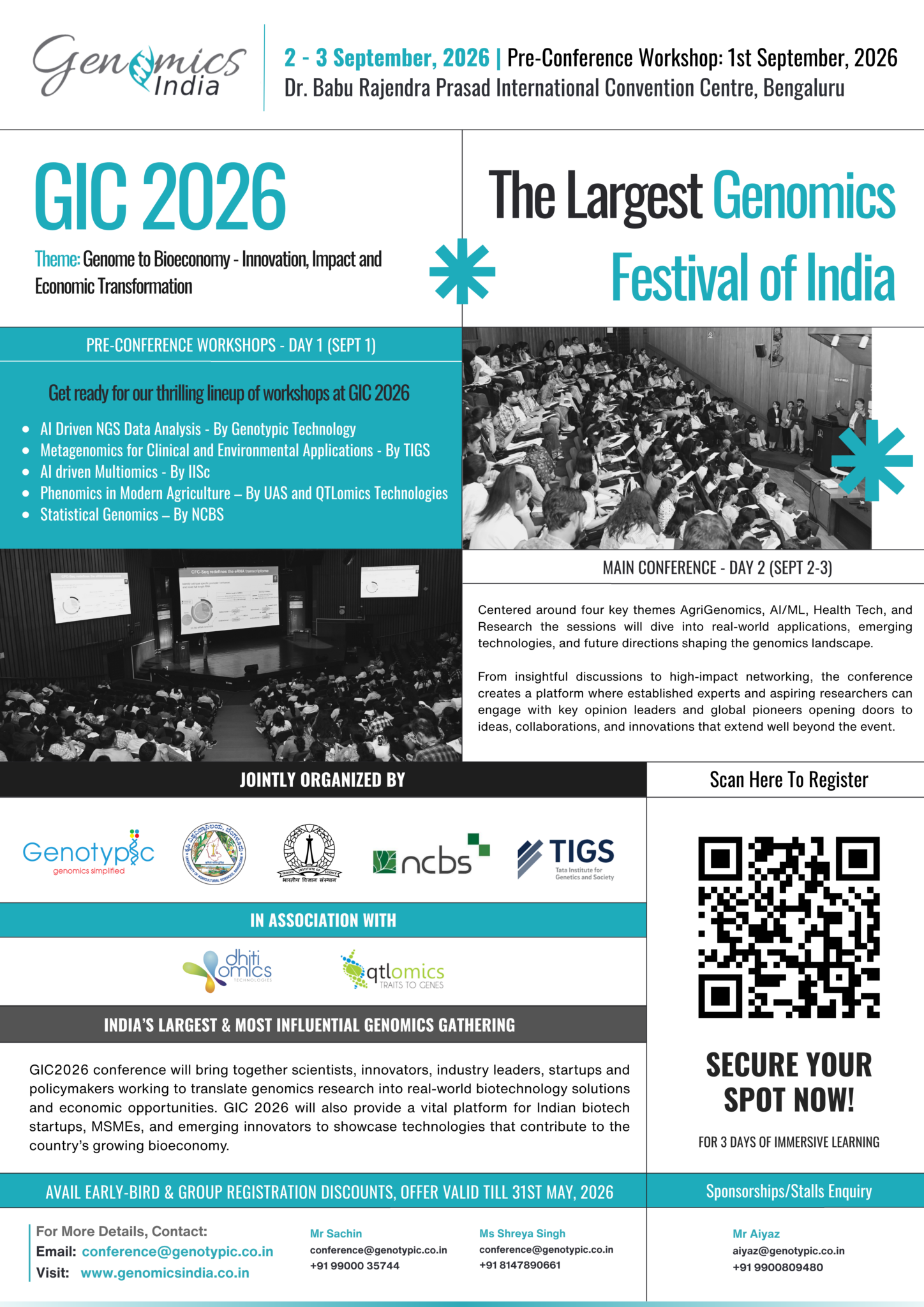
The Genomics India Conference (GIC) returns for its sixth edition, bringing together leading minds from across the globe to explore the ever-evolving world of genomics. This year’s event will feature insightful discussions, breakthrough research, and cutting-edge technologies that are driving innovations in medicine, agriculture, and biodiversity.
GIC 2026 provides a unique platform for scientists, researchers, clinicians, policymakers and industry leaders to stay ahead of the curve in the fast-paced world of genomics. Over three days, attendees will gain deep insights into a wide range of topics, including Cancer Genomics, Human Genome Studies, Microbiomes, Infectious Diseases, Agricultural Genomics, Cattle and Fisheries Genomics and Genomics in Ayurveda.
The Genomics India Conference (GIC) 2026 will bring together leading genome research groups, institutions, industry pioneers, and policymakers working at the intersection of genomics, biotechnology, and the emerging bioeconomy. With India entering a decade focused on biological innovation and economic growth, the conference will highlight how genomic science is transitioning from discovery-driven research to real-world applications that support healthcare, agriculture, industrial biotechnology, and sustainable development.
Jointly organised by Genotypic Technology, University of Agricultural Sciences (UAS), Indian Institute of Science (IISc), National Centre for Biological Sciences (NCBS) and Tata Institute for Genetics and Society (TIGS), the conference will bring together scientists, innovators, industry leaders, startups, and policymakers working to translate genomics research into real-world biotechnology solutions and economic opportunities. GIC 2026 will also provide a vital platform for Indian biotech startups, MSMEs, and emerging innovators to showcase technologies that contribute to the country’s growing bioeconomy.
This year's theme — Genome to Bioeconomy: Innovation, Impact & Economic Transformation — sets the stage for conversations across Agri Genomics, AI/ML, Health Tech, and Research.
Get ready for our thrilling lineup of workshops at GIC 2026 - Day 1
AI Driven NGS Data Analysis - By Genotypic Technology Metagenomics for Clinical and Environmental Applications - By TIGS AI driven Multiomics - By IISc Phenomics in Modern Agriculture – By UAS and QTLomics Technologies Statistical Genomics – By NCBS
🗓️ Pre-Conference Workshops: 1st September 2026 🗓️ Main Conference: 2nd–3rd September 2026 📍 Dr. Babu Rajendra Prasad International Convention Centre, Bengaluru
]]>Navigating life science funding: Insights from YIM 2026The second day of the Young Investigators' Meeting (YIM) 2026 in Pune was dedicated to one of the most pressing practical concerns for early-career researchers in India: how to find, apply for, and receive research funding. A series of spotlight talks by representatives from Indian and international funding organisations, followed by an open ask-me-anything session, brought together researchers at different stages of their careers with funders and senior scientists in what turned out to be a candid and wide-ranging conversation. ]]>tag:indiabioscience.org,2026-04-06:/news/2026/navigating-life-science-funding-insights-from-yim-20262026-04-06T10:00:00+05:302026-04-07T15:23:28+05:30Siuli Mitrahttps://indiabioscience.org/authors/PRYwLlb3kA1gO0QThe second day of the Young Investigators' Meeting (YIM) 2026 in Pune was dedicated to one of the most pressing practical concerns for early-career researchers in India: how to find, apply for, and receive research funding. A series of spotlight talks by representatives from Indian and international funding organisations, followed by an open ask-me-anything session, brought together researchers at different stages of their careers with funders and senior scientists in what turned out to be a candid and wide-ranging conversation.
An expanding landscape for science funding
Rajesh Gokhale, Secretary, Department of Biotechnology, during his keynote on the first day of YIM 2026, opened with a provocation that reframed the conversation before it had properly begun.
I just wish I were 25 today, as the world is so much more amazing. We could only have dreamt of doing impactful science. This is the opportunity of life”.
It's not an 'either-or' proposition. It is an 'and' proposition. DBT and DST will continue to have their own programmes. We will try not to overlap with those. We tend to do things at the intersection of these entities... ANRF is an entity which, I keep joking, is like a movie. We bring everybody into a happy family and get them to collaborate. We are more of a collaborative entity that helps stitch together programmes across multiple stakeholders”.
The funding sessions that followed on day 2 were shaped by that tension: a landscape that, by many measures, is richer in opportunity than ever, yet one that early-career researchers continue to find difficult to navigate. Representatives from various funding agencies outlined the range of mechanisms available, from fellowships for researchers in the final stages of their postdoctoral fellowships to project-based extramural grants for those with established laboratories. While the funding landscape has grown considerably over the past decade, that growth in the number of schemes has not always been matched by clarity about how to navigate them. Kriti Sikri, Indian Council of Medical Research, said,
Each of the funding agencies has a very specific mandate which is set by the Government of India. Whenever you're applying for any of the grants, do look at the mandates and the vision of each of the organisations that you're applying to, and align yourself with the agency and with the particular call”.
A recurring theme among the national agency representatives was that funding priorities are not purely scientific but also policy-driven. One example was shared by Kuldeep Lal, Director, ICAR-Central Institute of Brackishwater Aquaculture, where he shared that ICAR's focus on food security, sustainability, and resource management was an example of how agency mandates shape what gets funded and what does not.
“A lot of times [ICMR] gets complaints that ‘Why have you rejected our project? We're working with medicinal plants’. If you're not showing the medicinal value of those plants, ICMR cannot fund you. So, align yourself with the national health priorities. With every call, there is a list of emerging national-level priorities. Read every call very well. This keeps updating with every call”, Kriti advised while discussing the necessity of mandate alignment.
What international and philanthropic funders bring to the table
Gerlind Wallon, European Molecular Biology Organization (EMBO), described the organisation's India-facing programmes not only as funding opportunities but as platforms for leadership development and global networking. She said,
We as scientists learn how to write a paper, how to think about our experiments, how to write grants more or less. But we do not learn how to run a lab, how to deal with the people in our labs and make our group successful, which is, of course, the most important”.
Speaking about the Scientific Exchange Grants, she said, “The success rate of these fellowships is around 50%. With a really decent project, you have a good chance to actually get it”.
The Human Frontier Science Program (HFSP) represented a different register entirely. HFSP programmes require cross-continental collaboration and carry high selectivity.
In most of the successful countries in research and innovation, the funding comes from private philanthropies and private organisations as well, which India lacks big time. We don't ask you for exhaustive 15-page proposals. For grants below 50 lakhs, our turnaround is 45 days. Within 45 days, we will get back to you, and in the next eight days, we will release the money”.
Turnaround time is the operational definition of agility for an ECR waiting to set up a lab. Neha Pankow, Director, Murty Trust, said what it means to be a Trust and not a section 8 company or how their mechanisms are different from CSR funding, “We don't have a board. The turnaround time for project decisions can be literally overnight in our case. The funds are disbursed to the institute but controlled entirely by the fellow. If the fellow is not happy at their host institute, they can move, and the entire funds move with them”. She added,
You want to hire the best postdoc, the best technician — you're going to have to offer them something competitive. With private funds, we say: go out and hire whomever you want”.
What funders are actually looking for
Across the different funding types, the panellists converged on a small number of expectations, but the discussion was more specific than a simple checklist.
On research questions, Kriti was direct: proposals that attempt to address several problems at once tend to fare worse than those that focus on a single question and pursue it rigorously. “Don't overpromise your objectives. Be more realistic and time-bound”, she advised the audience. She added, “Define measurable deliverables; what will you give at the end of three or five years? These have to be very definitive and beyond publications”.
A specific misunderstanding while finding collaborators is that adding names of senior collaborators automatically adds credibility. Kriti noted, “Show your team and institutional strength. Even if you are younger PIs and early-career researchers looking for mentors, align yourself and your project with your mentor's skill. It is not important to have big names on your project; that is not how things work. Align the skills. You should know where to tap into the skills of your mentor”.
Contrasting meaningful collaboration with performative partnership, Apurva Sarin, CEO, DBT/WT India Alliance, explained it to be, “a direction arising from your work that is best executed or explored in partnership with an individual from another discipline or capability. We do want you to diversify your portfolio and sample hopefully some of the joys of collaborating with individuals across different disciplines”.
What researchers asked and what the answers revealed
The ask-me-anything session surfaced several tensions that the spotlight talks had not fully addressed.
The distinction between grants for basic research and support for translational work or startups generated significant confusion. Shravanti addressed this confusion by naming the structural gap:
Much of the funding in our country is directed toward applications, inventions, and startups. “But to have originals for ourselves, if we have originals, do we have the bandwidth of scientists who can take it to the next level? That is also missing. If you have done research till TRL4, going to TRL8, where a company will come and pick you up, there are four more numbers which lie in between. How you work with those four numbers is something which is very important”.
Technology Readiness Levels (TRLs) came up repeatedly, with several researchers unsure whether they were expected to demonstrate applied relevance even for basic science proposals. Shravanti was clear when she said that TRLs are a consideration for translational funding, not for basic research proposals, and conflating the two unnecessarily constrains how researchers frame their work.
The most pointed exchange of the session came around institutional disadvantage. Several participants observed that funding tends to concentrate in a small number of institutions, and asked whether researchers at smaller or less-resourced institutes are effectively competing on an equal footing. “When we looked at where our travel fellowship applications were coming from, we were getting applications mostly from the same places: Bangalore, Hyderabad, and Delhi. There are approximately 580 research organisations in India that award PhD degrees, and fewer than 20% of applications come from these institutions. The rest of India, what is it doing”? Shravanti issued a provocation to the concern. She described the example of the Sohan Modak national travel fellowship as a concrete institutional response: “We have started this travel fellowship for students who are not from IITs and IISc but who are interested in pursuing research and coming from tier-2 cities”.
Grant disbursement delays, a complaint that has persisted in the Indian research community for years, came up again here. Shivkumar, in his keynote from day 1 had spoken about it too - “To be fully transparent, in the last ARG programme we got 12,600 proposals plus another 3,000 proposals. We got over 50,000 reviews. There tends to be greater dispersion in review quality. The country is maturing in the quality of its feedback. This will be a continuing work in progress. We hope to use AI in a responsible way, but with the provision that AI will not decide on your proposals. AI will help humans decide”. A helpful instruction from multiple panellists was to “pay equal attention to both the scientific aspects of the proposal and administrative compliance”.
Beyond the grant: What building a research career actually requires
From the ask-me-anything session and informal talks on YIM, what came across was that while a lot of informally obtained advice, albeit well-meaning, could discourage ECRs from applying to well-funded, high-absorption fellowships.
Apurva, in her talk about opportunities at the DBT/WT India Alliance, asked participants not to rely on the past, as some things will be different.
We are recommending that you start framing your proposals now — the full proposal, put in the abstract. If you're called, be very ready to put in your full proposal, because that time is also hugely reduced now”.
On day 1, to a postdoctoral fellow’s query on informal advice for not applying for Ramanujan fellowships, Shiv had a candid response - “Whoever is giving you the advice not to apply is unfortunately giving misguided advice. Each programme stands on its own feet. Once you become full-time faculty, you can apply for the Prime Minister's Early Career Grant and so on. Whatever grants you get, you can transfer them to whichever institution you go to”. L S Shashidhara, Director, National Centre for Biological Sciences (NCBS)-TIFR, was in the audience and added that the Ramanujan fellowship has an 80% absorption rate, which means 80% of fellows go on to secure permanent positions, which is quite high by global standards. The Ramalingaswami fellowship sits at 90%.
]]>Summer Intership Program on Microbiology and Bioinformatics
Other
from
to
at
Online.
]]>tag:indiabioscience.org,2026-04-03:/events/summer-intership-program-on-microbiology-and-bioinformatics2026-04-03T11:51:00+05:302026-04-06T14:15:35+05:30Shwetha Chttps://indiabioscience.org/authors/zGXpwL2g3eKrb2J
Date
Location
Online
]]>Integrating climate resilience, pest management, and nutrition: Takeaways from SUSTAiN 2026SUSTAiN 2026 at BLiSC, Bengaluru, an annual initiative by the Tata Institute for Genetics and Society (TIGS), brought together scientists, policymakers, and practitioners to rethink agriculture and nutrition under climate stress. Discussions highlighted resilient crops, sustainable pest management, and nutrition security, emphasising the urgent need to bridge science, policy, and practice to build food systems that sustain both people and the planet. ]]>tag:indiabioscience.org,2026-04-03:/news/2026/integrating-climate-resilience-pest-management-and-nutrition-takeaways-from-sustain-20262026-04-03T10:00:00+05:302026-04-01T14:07:03+05:30Apoorva Masadehttps://indiabioscience.org/authors/ApoorvaMasadeSUSTAiN 2026 at BLiSC, Bengaluru, an annual initiative by the Tata Institute for Genetics and Society (TIGS), brought together scientists, policymakers, and practitioners to rethink agriculture and nutrition under climate stress. Discussions highlighted resilient crops, sustainable pest management, and nutrition security, emphasising the urgent need to bridge science, policy, and practice to build food systems that sustain both people and the planet.
On a warm February morning at the Bangalore Life Sciences Cluster (BLiSC) campus in Bengaluru, a platform was set for thought-provoking discussions on the future of food encompassing climate change, healthy diet, and food security. The platform was the first edition of SUSTAiN (Sustainable Transformation in Agriculture and Nutrition), held on February 5-6, 2026, a new annual initiative by the Tata Institute for Genetics and Society (TIGS) in collaboration with the National Centre for Biological Sciences (NCBS) - TIFR. This initiative had leading institutes like University of Agricultural Sciences - GKVK, Bengaluru, ICAR - National Bureau of Agricultural Insect Resources (NBAIR), Bengaluru, and ICAR-Indian Institute of Rice Research (IIRR), Hyderabad as knowledge partners. The two-day conference witnessed over 250 participants, including scientists, students, policymakers, industry representatives, extension professionals, and other agricultural and environmental enthusiasts, who came together to discuss an important question: How do we design an agriculture system that can withstand the whims of climate change while providing sustenance for both people and the planet?
The central theme that surfaced during these discussions was the recognition that ‘agriculture is at the crossroads’. While contributing about 5% of global greenhouse gas emissions, the cultivation of crops remains highly vulnerable to rising temperatures, fluctuating rainfall, and pest attacks. Globally, agrifood systems are being pushed to do more with less; that is, to increase productivity, adapt to climate change, provide adequate nutrition, and reduce greenhouse gas emissions simultaneously. In addition, India is focusing on broader aspects related to resilience, nutrition, and farmer livelihoods. However, formulating and translating policies into practice is a process that involves discussions, brainstorming, and active engagement among stakeholders, as currently, there are limited opportunities to connect science, policy, and practice.
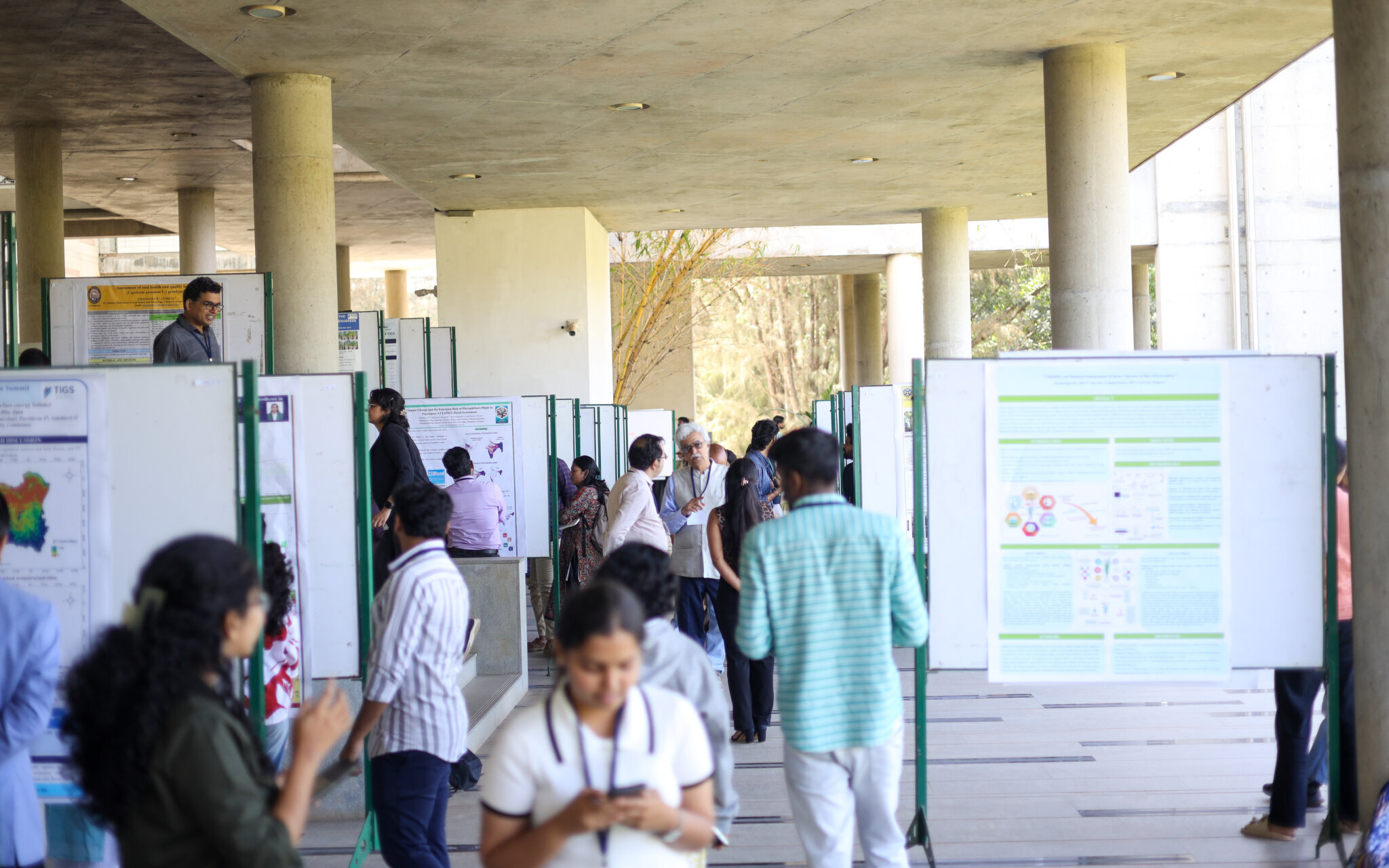
SUSTAiN is an annual conference designed to serve as a platform to integrate these components and provide a roadmap for an agricultural system that meets societal needs. The conference featured three key themes: climate-resilient agriculture, sustainable pest management, and sustainable nutrition security. Over 90 posters were displayed, covering topics ranging from molecular genetics and microbial applications to agricultural policy.
Poster session at SUSTAiN 2026
Enhancing climate resilience: A strategic shift toward multi-stress-resilient crop varieties
Climate-resilient agriculture is a critical frontier in food security, and the session emphasised that the era of single-trait solutions has ended in the face of agriculture’s mounting challenges. To confront modern challenges, crops must be resilient to diverse stresses, such as heat and drought, diseases and pests, flooding and nutrient imbalance, etc. Discussions highlighted new breeding techniques that combine multiple traits to yield high-performing varieties while maintaining grain quality and farmer acceptance. A new player on the block is genome editing, which offers precision and accelerates the development of these traits in plants. The session showcased precise genome-editing approaches that, when implemented responsively, could be highly beneficial. Scientists spoke about targeting hormone systems such as cytokinin metabolism in rice, which helps in increasing yield and stress tolerance. However, the journey of genome editing from the laboratory to the field is a work in progress, as identifying the correct target genes requires extensive genotype-to-phenotype data.
Another potential approach to improve crop stress resilience, yield, and nutrition among the plants is by enhancing soil and rhizosphere health through beneficial microbes. Microbial applications have been proposed as a sustainable solution for decades, but microbial synthetic community (SynCom) appears to be a more sustainable solution that may work across diverse environments. The prospect of reducing fertilizer dependency, one of the biggest environmental stressors, is particularly promising and offers scope for improved biological nitrogen fixation and plant-microbe interactions. Another focus was on multi-location trials and stress indices that evaluate crop performance under real-world conditions. The impact of rising night-time temperatures during grain filling, often overlooked in favour of daytime temperatures, was cited as an important factor in maintaining stable yields under stress.
Transforming pest management: an eco-friendly, sustainable approach
Climate change affects crop yield, diseases, and pest prevalence. A key discussion in the pest management sessions focused on the misuse of pesticides, which has led to insect resistance and ecological side effects.
Though integrated pest management has been touted as the most eco-friendly and sustainable way forward, the speakers also emphasised its limited adoption in India. In addition to established methods of physical and biological control, new scientific innovations such as microbial applications, bio-pesticides, RNA interference, and CRISPR technologies are advancing pest management and addressing pesticide resistance. Targeted pest control using plant RNAi machinery or dsRNA-based biopesticides may allow specific pest suppression without harming beneficial insects or microbial communities.
The forum strongly emphasised that a multidimensional integrated approach is essential for sustainable pest management. It was also highlighted that technology alone is insufficient; effective implementation requires coordination among research institutions, regulatory bodies, industry stakeholders, and farmers. Successful translation depends on scientific transparency, clear communication, and openness, which help build trust between scientists, industry actors, and farmers.
Nutrition security: Reframing agriculture through a nutritional lens
Beyond developing plants that withstand stress and increase productivity under climate change, another critical question remains: nutritional security. Questions arise about what we produce, for whom, and whether it is nutritionally adequate. A large part of the Indian population continues to suffer from deficiencies in key micronutrients. Although most of our daily energy requirements are derived from cereals, diets remain deficient in iron, zinc, protein, and essential vitamins. This disconnect between energy sufficiency and nutrient insufficiency remains a major public health challenge.
The third session of SUSTAiN 2026 emphasised the nutritional value of crops. Speakers stressed that the food system of today should not focus merely on producing enough grain, but must ensure the grains are nutrient-rich and capable of meeting human metabolic needs.
Biofortification, where crops are engineered to increase their levels of essential nutrients, was deemed essential during the discussions. Recent advances in genomics-assisted breeding have produced cereals with an adequate amount of iron, zinc, and protein, while maintaining parity in quality and productivity with conventional varieties. Nutrition security, therefore, concerns itself with access, where nutritious crops become a mainstream component of the food system, and delivering better health outcomes does not require individual effort but becomes a part of a regular diet.
Bridging divides: Science, policy, and practice
The final session, an interactive panel discussion, explored a fundamental question, “Why, despite scientific progress, are sustainable practices not scaling up sufficiently?” Issues such as institutional fragmentation, regulatory uncertainty, and limited private-public partnerships were identified as major barriers.
One key insight was that malnutrition can often be viewed as a “failure of exposure”. Caloric sufficiency does not necessarily translate into nutritional adequacy. Expanding access to reliable, science-based information about balanced dietary practices is therefore essential. The topic of direct-seeded rice was debated enthusiastically. While it promises methane reduction and water savings, concerns remain regarding yield stability and farmers' confidence. Opportunities to use microbes as biofertilizers and biocontrol agents to reduce greenhouse gas emissions while maintaining yields were also emphasised. Public-sector scientists highlighted the need for faster engagement between public institutions and private stakeholders.
A beginning
As the conversations drew to a close and the posters rolled up, one message lingered: transformation is not about the next breakthrough. It is about the continuous integration among genes and soil, crops and markets, and science and society within ethical and policy frameworks.
Across presentations, a recurring theme was the need to translate laboratory success into real-world applications that benefit farmers and consumers.
SUSTAiN 2026 did not claim to deliver a single solution to the climate-food-nutrition challenge. What it offered instead was something equally important: a space to collectively examine the interconnected pieces of the puzzle. In a world where the climate is uncertain, the only constant may be the adaptive evolution of food and nutrition security.
Developing a Unique Bioactive Lipid Signature as a Potential Liquid Biopsy Tool for Early Detection of Gallbladder Cancer (GBC).
Profile
Dr Ujjaini Dasgupta’s group is looking for highly motivated students with PhD in Chemical/Biological Sciences for the position of Project Scientist I (ICMR funded Project) at Dept. of Biology & Koita Centre for Digital Health-Ashoka, Trivedi School of Biosciences, Ashoka University, Sonipat.
The Project Scientist will build a cancer biology program using multi-omics platforms.
Dr Dasgupta’s group has expertise in cancer biology, with a research focus on the tumour microenvironment in breast, colon, and gallbladder cancers. Her group applies multi-omics approaches to uncover how lipid and glycolipid metabolism influences tumour progression and response to therapy. They also work on identifying liquid biopsy-based lipid biomarkers for early diagnosis of chronic and oncological diseases, in close collaboration with clinicians.
One year and can be extended till the end of the project (3 years) depending upon performance.
Money
Rs. 56,000/- + 10% HRA per month.
Qualifications
PhD in Chemical or Biological Sciences.
Experience
Candidates awaiting their PhD degree after submission with sufficient experience in the research area may also apply.
To Apply
Interested candidates should email their complete CV with three names of references by April 10, 2026 to Email: ujjainilab.ashoka@gmail.com
Details of the research group can be seen at: ujjainilab.net
Dept. of Biology &
Koita Centre for Digital Health-Ashoka
Trivedi School of Biosciences
Ashoka University
Sonipat-131029, Haryana, India.
Contact
E
JavaScript is required to reveal this email address.
]]>Junior Research Fellowtag:indiabioscience.org,2026-03-30:/orgs/ashoka-university/jobs/junior-research-fellow-42026-03-30T21:32:00+05:302026-03-31T12:07:26+05:30Shwetha Chttps://indiabioscience.org/authors/zGXpwL2g3eKrb2J
Ashoka University
Sonepat, Haryana
Engagement
Contract
Hours
Full-time
Project
Elucidation of the Role of ST8SIA1 and ST8SIA4 in Tumor Microenvironment and Harnessing its Potential as an Intervention for TNBC Treatment.
Profile
Dr Ujjaini Dasgupta’s group is looking for highly motivated students for the position of JRF (Lady Tata Memorial Trust funded Project) at Dept. of Biology and Koita Centre for Digital Health-Ashoka, Trivedi School of Biosciences, Ashoka University, Sonipat.
Dr Dasgupta’s group has expertise in cancer biology, with a research focus on the tumour microenvironment in breast, colon, and gallbladder cancers. Her group applies multi-omics approaches to uncover how lipid and glycolipid metabolism influences tumour progression and response to therapy. They also work on identifying liquid biopsy-based lipid biomarkers for early diagnosis of chronic and oncological diseases, in close collaboration with clinicians.
One year and can be extended till the end of the project (3 years) depending upon performance.
Money
Rs. 37,000/- + 10% HRA per month
Qualifications
MSc in Life Sciences/Chemistry/Biochemistry/Allied subject and qualified any national level test NET-LS/GATE, or MPharm.
Experience
Experience in mammalian cell culture is preferred.
To Apply
Interested candidates should email their complete CV with three names of references by April 10, 2026 to Email: ujjainilab.ashoka@gmail.com
Details of the research group can be seen at: ujjainilab.net
Dept. of Biology &
Koita Centre for Digital Health-Ashoka
Trivedi School of Biosciences
Ashoka University
Sonipat-131029, Haryana, India.
Contact
E
JavaScript is required to reveal this email address.
]]>Cancer cell culture techniques
Workshop
from
to
at
Chennai.
]]>tag:indiabioscience.org,2026-03-30:/events/cancer-cell-culture-techniques-32026-03-30T21:23:00+05:302026-03-30T21:23:38+05:30Shwetha Chttps://indiabioscience.org/authors/zGXpwL2g3eKrb2J
Date
Location
Chennai, Tamil Nadu
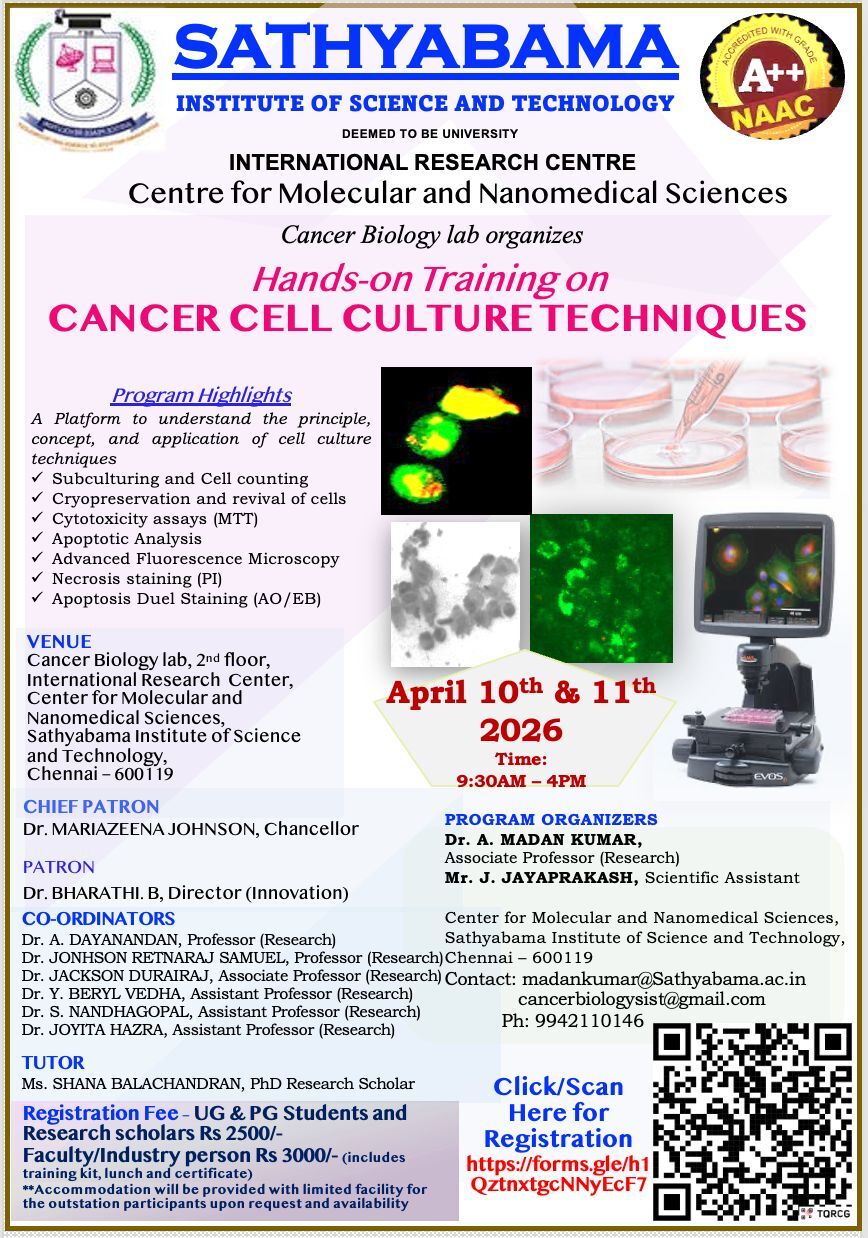
Sathyabama Institute of Science and Technology is organising Two days workshop in "Cancer cell culture techniques" which will be held on April 10th to 11th, 2026 at our Cancer biology lab, International Research Centre, Sathyabama Institute of Science and Technology, Chennai through Physical mode.
The program will cover an introduction to in vitro cancer cell maintenance and Hands on Training in performing on Subculturing and Cell counting, Cryopreservation and revival of cells, Cytotoxicity assays (MTT), Apoptotic staining & Analysis, Propidium Iodide staining. Participants will gain insights into in vitro and advanced imaging techniques. The workshop also includes intensive practical training modules and detailed sessions on cancer cell culture for experimental research.
]]>Furthering evolutionary ecology and conservation science in India: Insights from RYIM Tirupati 2026The Regional Young Investigators Meeting (RYIM) 2026 Tirupati, titled Furthering Evolutionary Ecology and Conservation Science in India, was held at the Indian Institute of Science Education and Research (IISER), Tirupati, from 29 to 31 January 2026, situated at the foothills of the Eastern Ghats, a biodiverse and relatively underexplored mountain range. The location provided an ideal platform to highlight research across this region, while drawing attention to the growing fields of evolutionary ecology and conservation science in smaller towns and cities across southern India. ]]>tag:indiabioscience.org,2026-03-30:/news/2026/furthering-evolutionary-ecology-and-conservation-science-in-india-insights-from-ryim-tirupati-20262026-03-30T10:00:00+05:302026-03-25T21:53:14+05:30Nandini Rajamanihttps://indiabioscience.org/authors/nandiniThe Regional Young Investigators Meeting (RYIM) 2026 Tirupati, titled Furthering Evolutionary Ecology and Conservation Science in India, was held at the Indian Institute of Science Education and Research (IISER), Tirupati, from 29 to 31 January 2026, situated at the foothills of the Eastern Ghats, a biodiverse and relatively underexplored mountain range. The location provided an ideal platform to highlight research across this region, while drawing attention to the growing fields of evolutionary ecology and conservation science in smaller towns and cities across southern India.
Historically, ecological sciences in India were concentrated at a handful of institutions: Indian Institute of Science (IISc), Bengaluru; Wildlife Institute of India (WII), Dehradun; National Centre for Biological Sciences (NCBS-TIFR), Bengaluru; Salim Ali Centre for Ornithology and Natural History (SACON), Coimbatore and several non-government entities such as World Wide Fund for Nature-India (WWF-India), Wildlife Conservation Society, (WCS), Nature Conservation Foundation (NCF), and Ashoka Trust for Research in Ecology and the Environment (ATREE).
Over the past fifteen years, however, a significant shift has taken place, with over fifty faculty members, mostly young investigators, establishing research programmes across a broader range of institutions, including IISERs, new private universities such as Krea University, Ashoka University, Azim Premji University, GITAM Deemed to be University, and several others. This expansion is timely, given the urgency and scope of impact of climate change and anthropogenic habitat loss in India’s biodiverse landscapes.
Despite this growth, several challenges remain. Researchers at many institutions often work in isolation, frequently as the only domain specialists, bearing disproportionate administrative and training loads, with limited opportunities for collaboration or resource-sharing.
The RYIM at Tirupati was conceived as a response to this fragmentation, bringing together young ecologists alongside senior researchers, funding bodies, and administrators.
Building on an earlier gathering in 2024, the RYIM Tirupati 2026 was designed with five objectives:
To discuss career trajectories and enable learning from senior researchers.
To address funding challenges and explore long-term strategies.
To examine administrative challenges specific to the domain.
To develop collaborative approaches to teaching and training.
To identify research directions and enable partnerships.
The meeting was structured across three days, combining plenary talks, panel discussions, breakout sessions, and field exposure to the Eastern Ghats. The event allowed both formal learning and informal networking across a growing community of ecologists.
Career journeys and scientific pathways
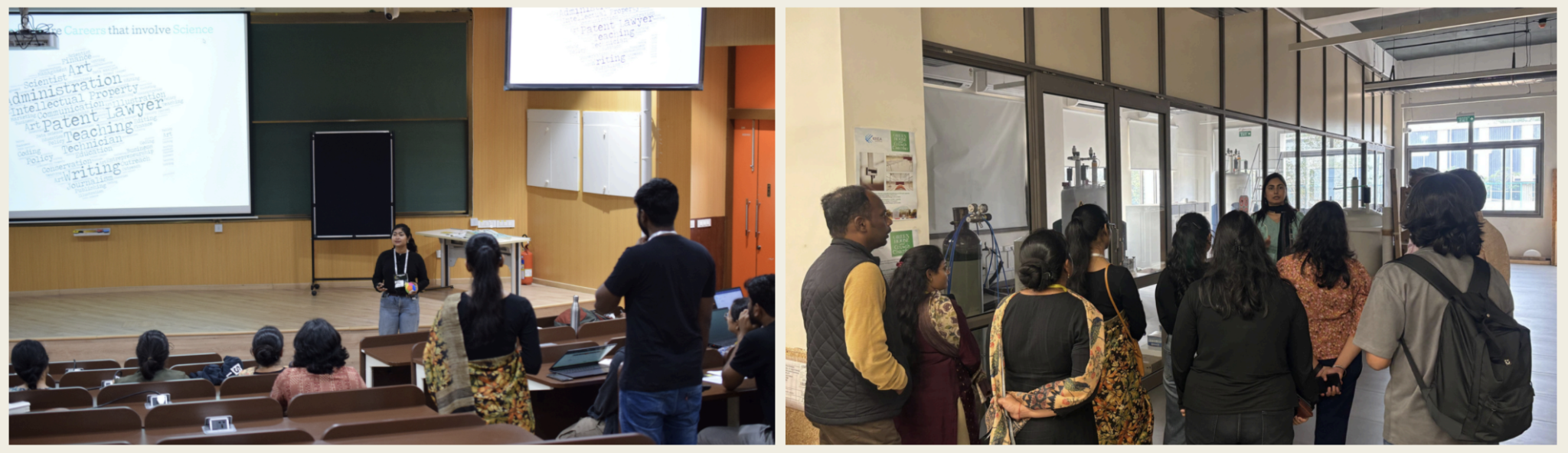
RYIM Tirupati began with the IndiaBioscience-led interactive Crafting Your Career (CYC) workshop. Moumita Mazumdar from the IndiaBioscience team introduced participants to diverse career pathways, while also providing insights into essential skill sets and the importance of networking, through a mix of informational interviews, résumé-building sessions, and discussions grounded in case studies and lived experiences.
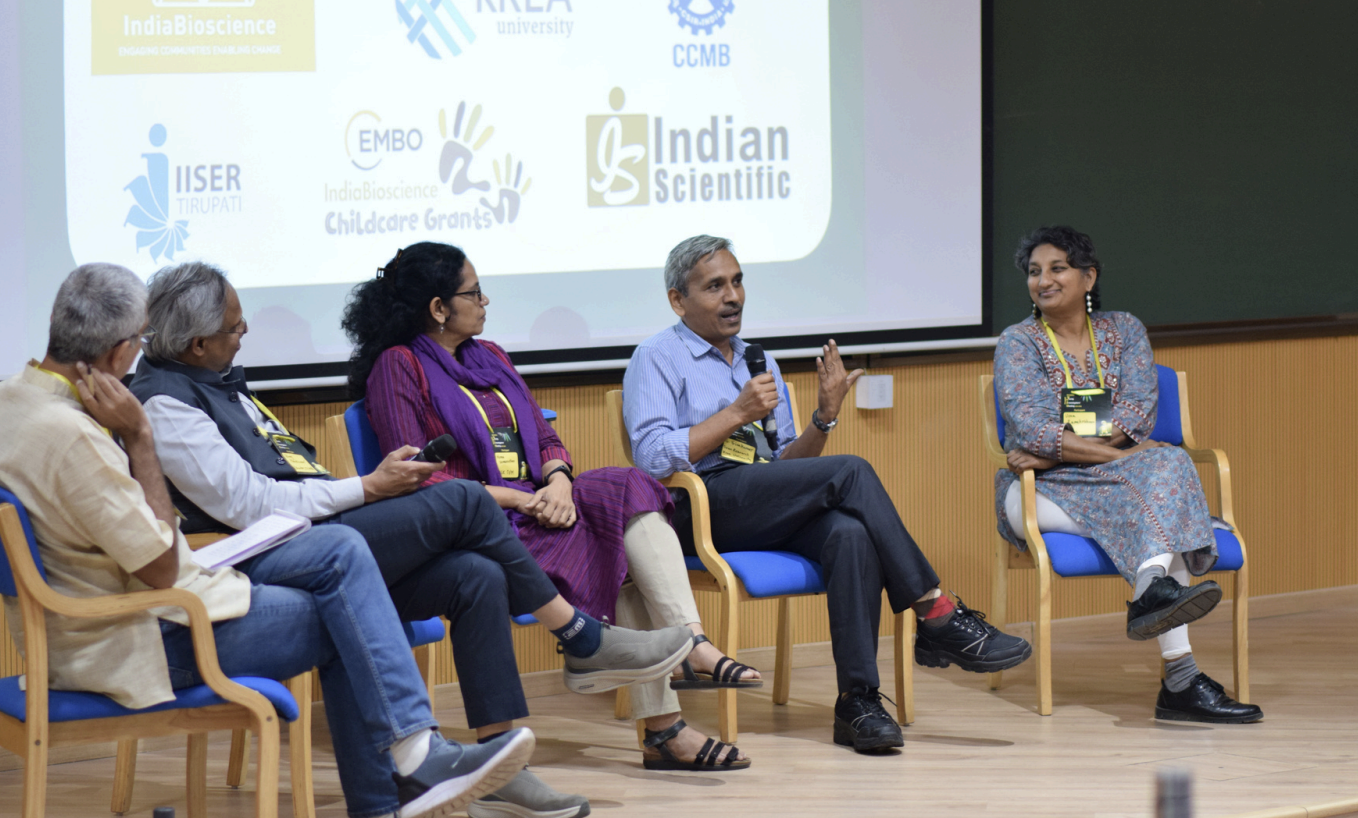
CYC workshop (left) | Visit to Krea University (right)
The afternoon featured an outreach visit to Krea University. At Krea, delegates were given a tour of the facilities led by Vaishali Sharma, followed by structured interactions with faculty from three departments: Biological Sciences, Environmental Studies, and the Centre for Writing & Pedagogy. These interactions included lab visits, showcasing of laboratory instruments and facilities, and informal conversations around participants’ research areas and ongoing work.
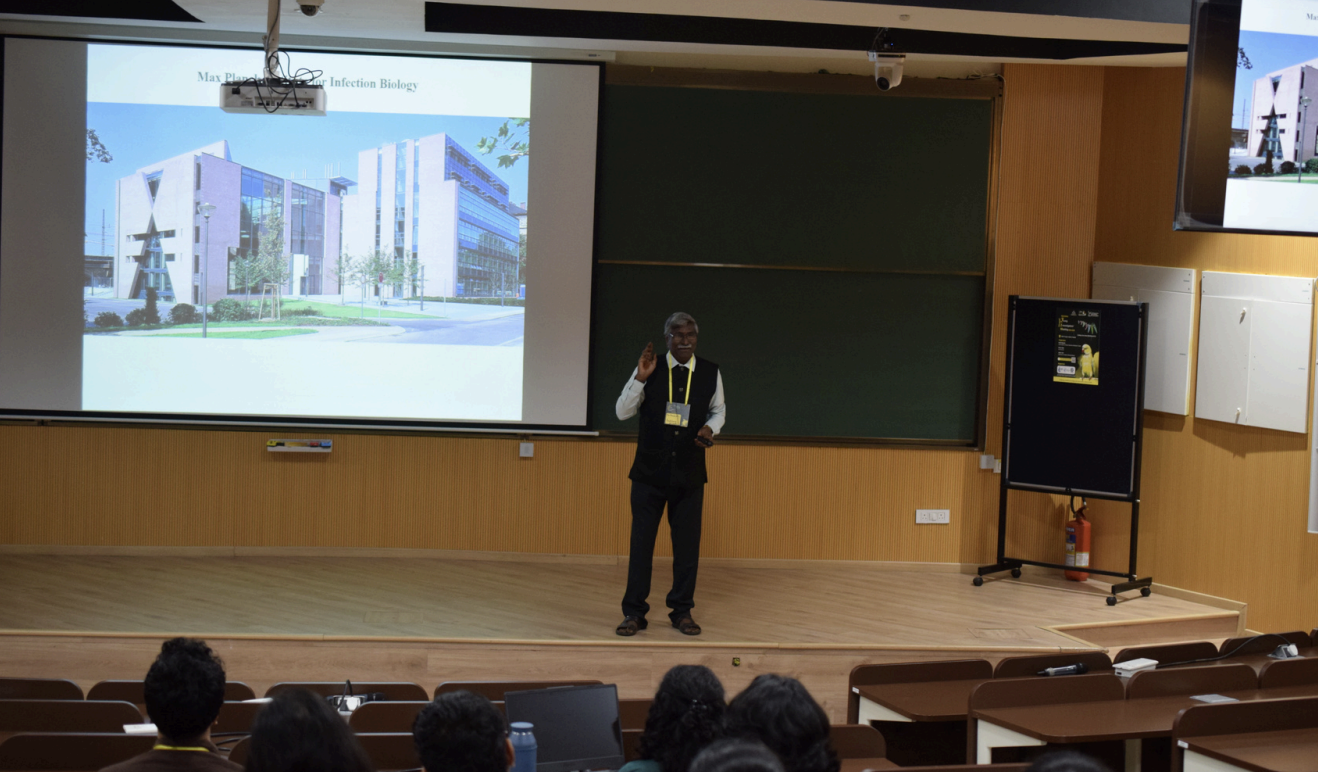
Day 1 opened with a keynote address by N Parthasarathy, Emeritus Professor at Pondicherry University, Puducherry, who reflected on building a long-term research career in ecology. Drawing on decades of field-based work, his talk emphasised persistence, collaboration, and adaptability. Establishing long-term ecological datasets across multiple landscapes was highlighted as critical, along with the importance of relationships with collaborators and forest departments. He advised patience and perseverance in navigating administrative challenges, keeping organised records, and building relationships with Forest Departments over time. Diversifying funding across DST, DBT, MoEFCC, ONGC, and European sources was equally important, he said. He closed with a thought that captured his entire philosophy — "From seed to tree — sow now".
Subsequent sessions by young investigators Anusha Shankar, Vincy K Wilson, and Eapsa Berry reflected diverse research problems within ecology, showcasing work spanning systems from birds to insects. These discussions created space for early-career researchers to situate their own journeys within a broader context.
N Parthasarathy, during his keynote
Funding landscape and strategies
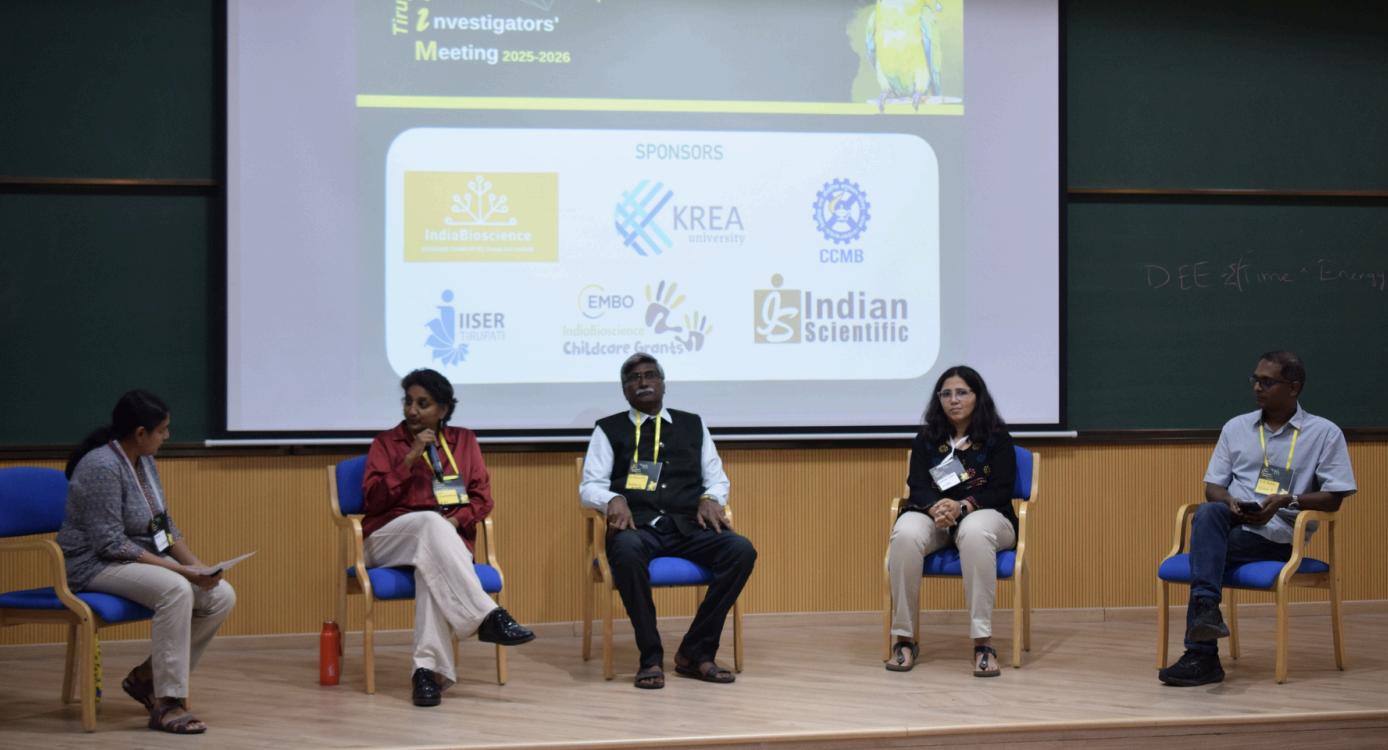
A key session focused on funding challenges in ecological research, featuring Uma Ramakrishnan (NCBS-TIFR, Bangalore), N Parthasarathy (Pondicherry University, Puducherry), Robin VV (IISER Tirupati), and Jahnavi Joshi (CSIR-CCMB, Hyderabad), and moderated by Shivani Jadeja (Krea University, Tirupati). Discussions centred on three themes: types of funding, the role of networks, and institutional support.
Fellowships were seen as more flexible compared to grants, which often come with rigid deliverables. Small grants, particularly from Forest Departments, were recognised as crucial for exploratory work, even as larger grants carry greater visibility. Short funding cycles were noted as a limiting factor for long-term ecological research.
The “patchwork quilt” approach, combining multiple small grants, emerged as a common strategy, though administratively demanding. The consensus was that while fundraising is constant, opportunities exist, and researchers must learn to navigate them.
Views differed on the role of networking. While some emphasised the significance of strong science and proposals, others acknowledged that reputation, institutional affiliation, and relationships do influence outcomes. Practical advice from panellists included targeting appropriate calls and understanding funding probabilities.
Institutional support was identified as a key factor. Start-up grants and sustained internal funding were seen as essential for establishing research programmes. Models where institutions provide long-term support were highlighted as enabling more stable and impactful research.
Panel on funding challenges in ecology and conservation science
From uncertainty to impact: A journey in science
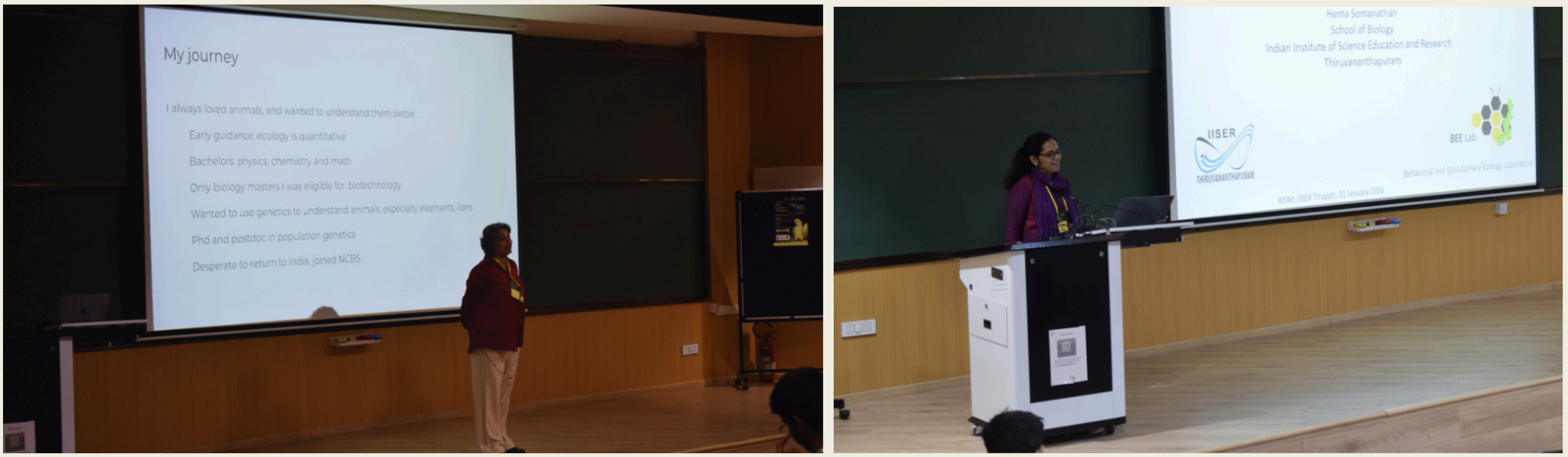
Day 1 concluded with a plenary lecture by Uma Ramakrishnan from NCBS–TIFR, who shared a candid account of her scientific journey, highlighting its non-linear nature. Her PhD years were marked by disruptions, including a shift in research direction and an unsupportive environment. A positive postdoctoral experience later helped her rebuild confidence, underscoring the importance of a supportive research ecosystem.
On returning to India, Uma established a population genetics lab at NCBS while balancing motherhood and research. Her early, student-driven work led to key contributions in tiger genetics and directly informed conservation policy, including wildlife corridor design. Her recent work spans the genetic basis of the black tiger phenotype in Similipal and disease ecology in Northeast India, including bat surveillance during COVID-19. She also reflected on navigating institutional and public pressures, emphasising the role of institutional support. Her talk highlighted how long-term ecological research can translate into meaningful conservation impact.
Talks by Uma Ramakrishnan (left) and Hema Somanathan (right)
Day 2 began with an insightful keynote by Hema Somanathan from IISER Thiruvananthapuram, who shared a deeply personal account of how her career was shaped by serendipity, frugality, and intellectual curiosity, reiterating the non-linear nature of research pathways. From early work at the Bombay Natural History Society (BNHS) in Mumbai to navigating a career break for caregiving, her trajectory reflected both challenges and renewal, particularly during her postdoctoral work in Europe. At IISER Thiruvananthapuram, she has since built a research programme focused on insect–plant interactions and social systems. She emphasised the value of interdisciplinary work, frugal science, and the exploration of understudied questions, noting that meaningful insights often emerge from such approaches.
Together with the previous day’s plenary, her talk underscored themes of resilience, adaptability, and curiosity, offering important perspectives, particularly on challenges faced by women in science.
The session was followed by Young Investigator talks by Mansi Mungee, Gopal Murali, and Ashwini V Mohan.
Administrative challenges and institutional realities
A panel on the second day, featuring Vinay Nandicoori (CSIR-CCMB, Hyderabad), S Sivakumar (Krea University, Tirupati), Hema Somanathan, and Uma Ramakrishnan, moderated by Guha Dharmarajan (Krea University, Tirupati), discussed administrative challenges and the perception of ecological research within institutions. A central theme was the importance of relationships with administrative staff. Participants were encouraged to view administrative personnel as collaborators rather than obstacles.
Navigating procurement systems and institutional processes requires patience and familiarity. Faculty roles were described as inherently managerial, involving responsibilities beyond research, including permits, logistics, and people management.
Institutions where administrative systems actively support scientific work were presented as effective models. Overall, the discussions underscored that conducting research in India often depends as much on human relationships as on formal systems.
Panel on challenges with administration and the perception of ecological research
Training, teaching, and community building
The meeting also addressed challenges in ecology training and education. Many institutions have limited faculty strength in ecology, leading to high teaching loads and reduced research time. The idea of a Teaching Consortium was revisited, aiming to pool expertise across institutions and enable collaborative teaching.
Breakout sessions allowed participants to identify key structural challenges, including establishing long-term field stations, obtaining ethics clearances for ecological research, and balancing teaching with research responsibilities.
Students participated in parallel discussions, raising concerns specific to early-career stages. These interactions highlighted the need for structured mentorship and institutional support mechanisms.
Key takeaways and broader impact
RYIM Tirupati highlighted both progress and persistent structural challenges.
For young investigators, the meeting provided access to mentorship, institutional perspectives, and peer networks — resources often limited in smaller or remote institutions. For aspiring researchers, it offered insight into the realities of academic careers in ecology.
At a broader level, strengthening ecological research networks has direct implications for conservation and policy in India. As the complex challenges of climate change and habitat loss intensify, the need for long-term, collaborative, and multi-site research becomes increasingly urgent.
Recommendations that emerged from RYIM Tirupati
The meeting concluded with several recommendations to address structural challenges and sustain momentum:
Targeted publications in journals to raise awareness among scientists and administrators about field-based ecological research challenges.
Focused white papers on teaching frameworks,ethics clearances for ecological fieldwork, administrative and funding/budgeting challenges.
Community platforms, such as a dedicated WhatsApp group, to share administrative knowledge and troubleshoot challenges.
Periodic follow-up meetings across different locations to maintain engagement and strengthen networks.
All pictures are taken by the RYIM Tirupati team at IISER Tirupati except the one from the visit which was taken by the team at Krea University.
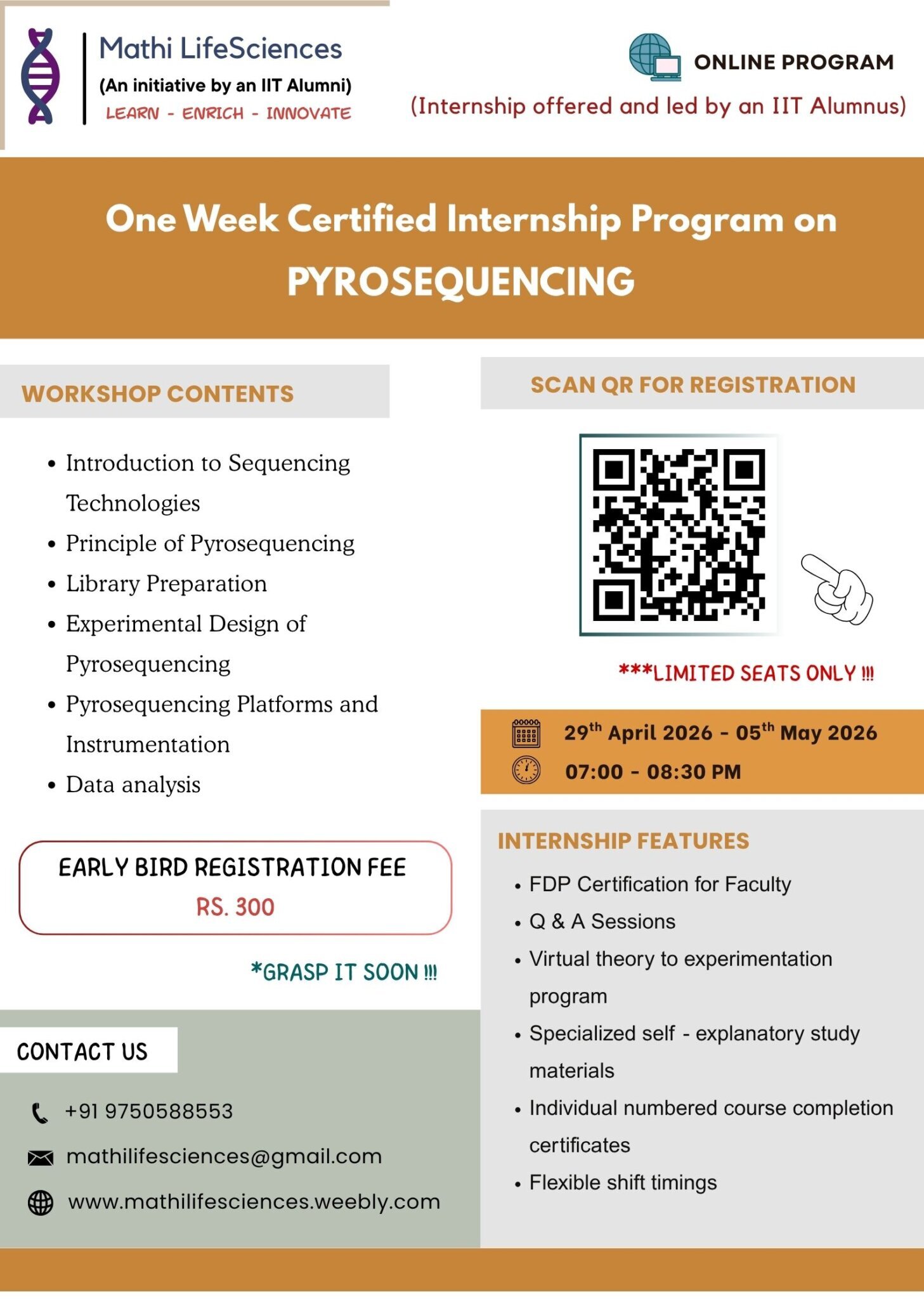
]]>One Week Certified Internship Program on Pyrosequencing
Other
from
to
at
Online.
]]>tag:indiabioscience.org,2026-03-28:/events/one-week-certified-internship-program-on-pyrosequencing2026-03-28T22:20:00+05:302026-04-07T11:44:16+05:30Shwetha Chttps://indiabioscience.org/authors/zGXpwL2g3eKrb2J
Date
Location
Online
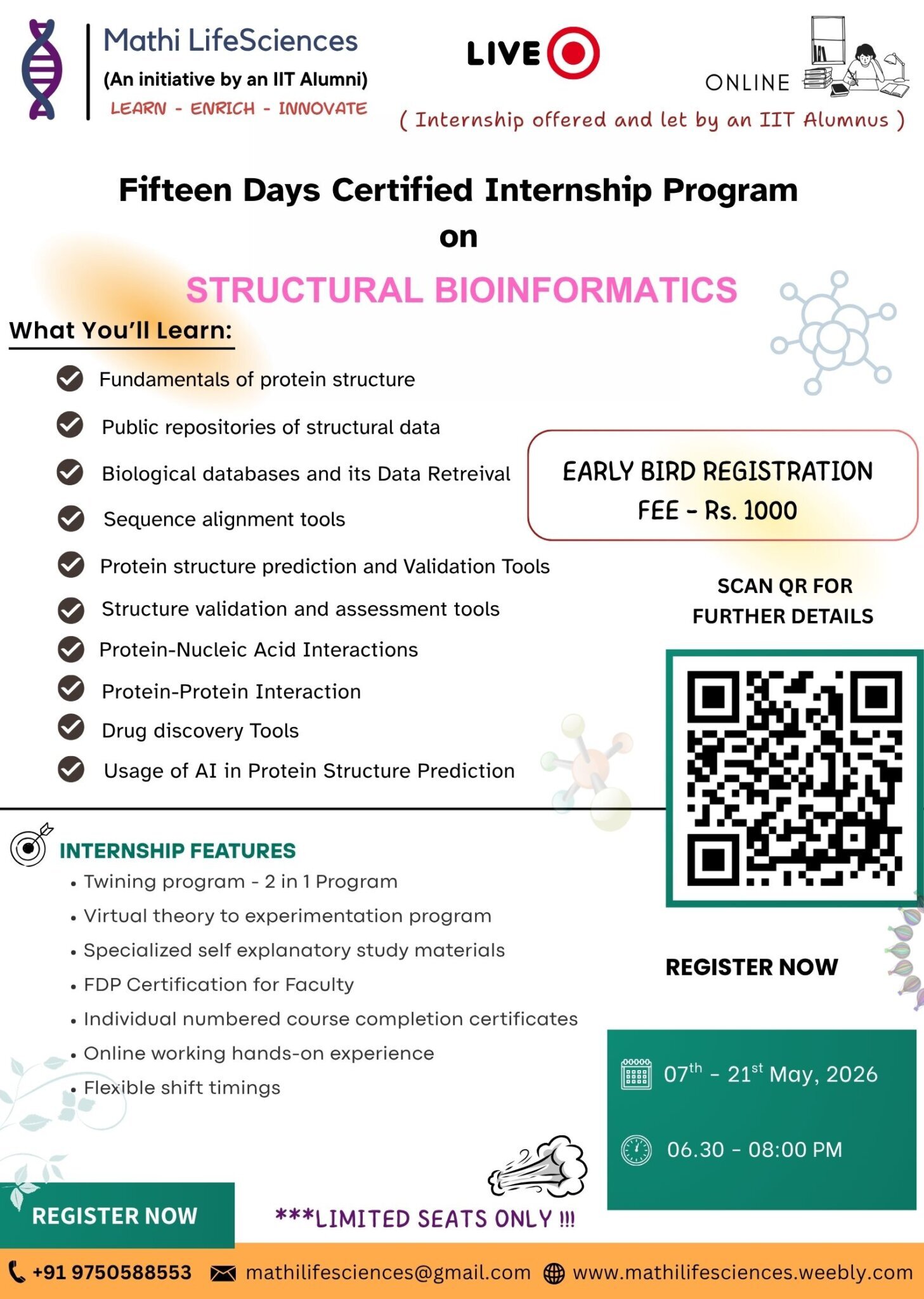
]]>Fifteen Days Certified Internship Program on Structural Bioinformatics
Other
from
to
at
Online.
]]>tag:indiabioscience.org,2026-03-28:/events/fifteen-days-certified-internship-program-on-structural-bioinformatics2026-03-28T22:17:00+05:302026-03-30T21:25:15+05:30Shwetha Chttps://indiabioscience.org/authors/zGXpwL2g3eKrb2J
Date
Location
Online
]]>Flow cytometry Techniques
Workshop
from
to
at
Chennai.
]]>tag:indiabioscience.org,2026-03-27:/events/flow-cytometry-techniques-22026-03-27T12:09:00+05:302026-03-27T12:09:09+05:30Shwetha Chttps://indiabioscience.org/authors/zGXpwL2g3eKrb2J
Date
Location
Chennai, Tamil Nadu
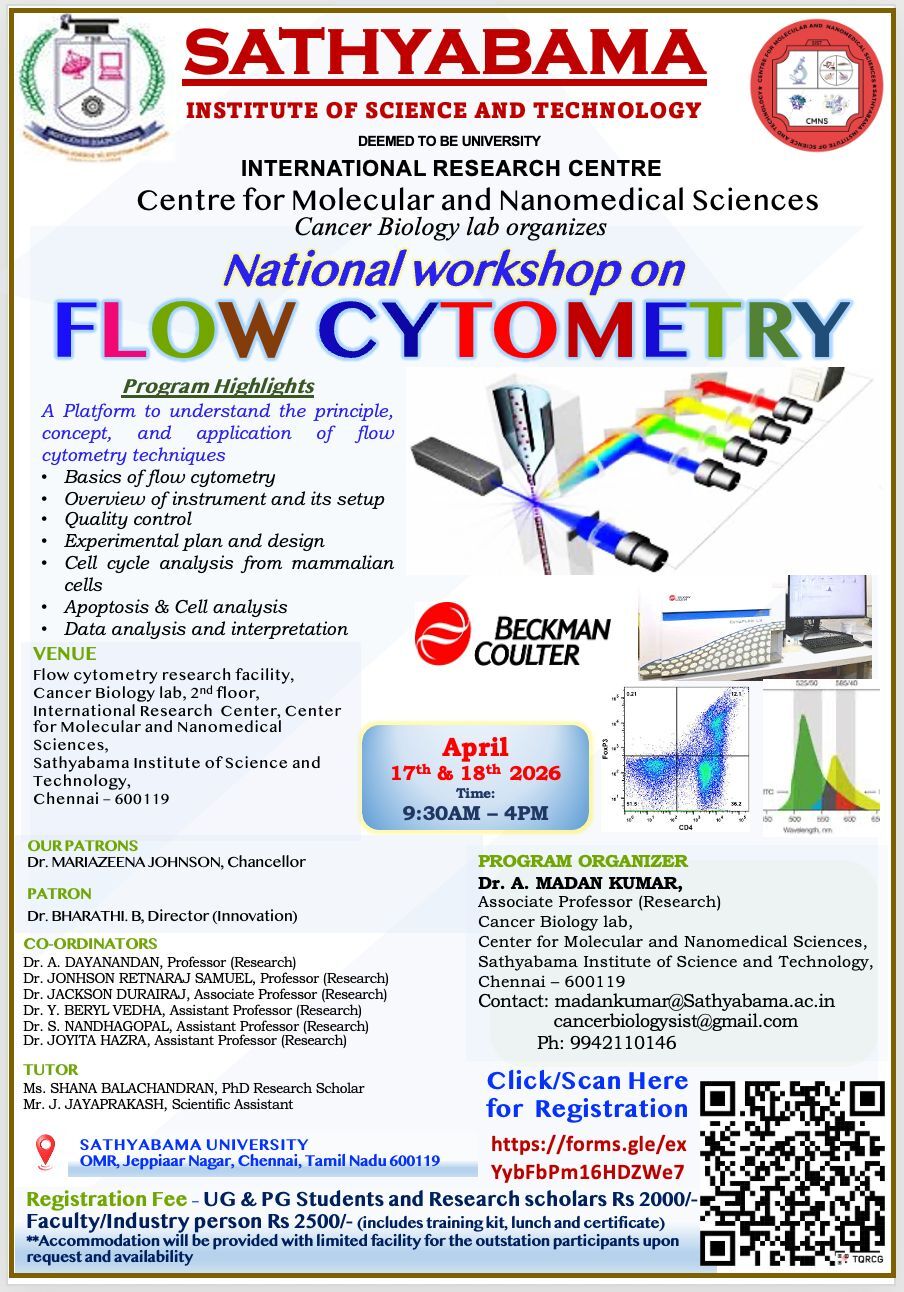
Sathyabama Institute of Science and Technology is organising Two days National level workshop on "Flow cytometry Techniques" which will be held April 17th & 18th, 2026 at Flow cytometry research facility, Cancer biology lab, International Research Centre, Sathyabama Institute of Science and Technology, Chennai through Physical mode.
The workshop will cover the following topics: Basics of Flow cytometry analysis, Overview of instrument and its setup, Quality control, Experimental plan and design, Cell cycle analysis using mammalian cells, Apoptosis and Cell health analysis along with Data analysis and interpretation
]]>Curiosity-driven scientist: My journey in bridging material and biologyIn this Journey of a Young Investigator (JOYI) 2026 article, Pranav Tiwari traces his journey from early curiosity about quantum science to leading interdisciplinary nanobiotechnology research. Navigating systemic barriers, global training, and personal setbacks, his path reflects resilience, scientific ownership, and a commitment to bridging materials science with biology to address real-world health challenges. ]]>tag:indiabioscience.org,2026-03-27:/columns/journey-of-a-yi/curiosity-driven-scientist-my-journey-in-bridging-material-and-biology2026-03-27T10:00:00+05:302026-03-25T17:02:09+05:30Pranav Tiwarihttps://indiabioscience.org/authors/9rGXLBBaOdLvZE4In this Journey of a Young Investigator (JOYI) 2026 article, Pranav Tiwari traces his journey from early curiosity about quantum science to leading interdisciplinary nanobiotechnology research. Navigating systemic barriers, global training, and personal setbacks, his path reflects resilience, scientific ownership, and a commitment to bridging materials science with biology to address real-world health challenges.
Curiosity sparks a scientific journey
My journey began with a fascination for quantum mechanics, which came through the book Quantum mystery and that curiosity led me to join the Nanotechnology degree program (Integrated MTech) at the Central University of Jharkhand. At the time, nanotechnology was a buzzword that few truly understood. Since I was in the first batch for this program, we had limited lab facilities but the theory courses were very diverse and covered basic chemistry and physics, along with courses related to biology and material science. Luckily, I was trained through a highly interdisciplinary syllabus.
Among these theory courses, I studied nanobiotechnology and DNA nanotechnology, where I was introduced to the idea of nanobots and their potential to transform healthcare applications. This interdisciplinary foundation became my greatest asset, though I did not yet know it would also become my greatest professional hurdle.
Finding direction through mentorship and research exposure
During my undergraduate days, I got the chance to do my internship and final year project at CSIR-National Metallurgical Laboratory (CSIR-NML), Jamshedpur under the mentorship of the late Suprabha Nayar. I was fortunate to work under her, as she was the first person to truly trust my potential. She introduced me to biomimetics and biomineralisation. Under her mentorship, I didn't just learn to handle analytical instruments; I learned the importance of scientific ownership. She encouraged me to present my thesis at international conferences, which fascinated me as at that time I was not fully aware of conferences.
While working there, I learnt about electrospinning and this helped in getting the project assistant position at the Indian Institute of Science Bangalore (IISc), Bengaluru under the mentorship of Shilpee Jain. At IISc, I expanded my research domain and I also learned about the in vitro cell culture techniques. I integrated my work on electrospun magnetic nanofibers for hyperthermia applications. My main focus at IISs was to learn different analytical techniques, and within 10 months I submitted my first-ever research article as a lead author from IISs and then joined the Indian Institute of Technology, Indore (IIT Indore) for my PhD in the Center for Material Science and Engineering which later became Metallurgical Engineering and Materials Science department.
Those early exposures shaped my confidence and made research feel less intimidating and more meaningful. My doctoral work focused on carbon-based nanomaterials for optical biosensing, protein–nanomaterial interactions, and cellular applications. While the technical details evolved over time, the central theme remained constant—understanding how materials behave in biological environments and how we explore different nanomaterials for biological applications.
People often say a PhD is frustrating and depressing, but in my case, I enjoyed my PhD days all thanks to Indore, the food capital of India, and my friends. During my PhD apart from research, I was actively involved in student mentoring, grant writing, instrumentation purchasing, and lab management. These experiences quietly prepared me for the academic journey ahead.
Pandemic pause and recalibrating research goals
The COVID-19 pandemic disrupted many plans, including the timely completion of my PhD viva. During this uncertain period, I continued in the same laboratory as a research associate, which allowed me to consolidate my work and reflect on my future direction. I had already decided that my postdoctoral training should fill a critical gap in my skill set—molecular biology. I wanted to better understand how materials influence biological systems at a mechanistic level.
This decision took me to the United States for postdoctoral research. I initially joined the University of Notre Dame, but my time there was short and challenging. I moved to the University of Texas Rio Grande Valley (UTRGV) in the school of medicine under the mentorship of Murali Yallapu. My postdoctoral research focused on integrating chiral nanomaterials with cancer systems using molecular biology tools and animal models. This phase finally allowed me to bridge materials science with biology in a way I had long envisioned.
Returning to India: Building independent research in nanobiotechnology
During my tenure there, I was awarded the DST INSPIRE Faculty Fellowship. At the same time, a growing desire to return home led me back to India. I joined Indian Institute of Technology, Kanpur (IIT Kanpur) to initiate my INSPIRE project on chiral nanomaterial-based theranostic strategies for protein aggregation-related diseases. After a year, I moved to VIT Vellore as an assistant professor in the Centre for Nanobiotechnology.
Here, I now lead the HOPE lab (Healthcare Oriented Platform Excellence) and actively mentor PhD and master’s students while exploring chiral nanosystems for healthcare and environmental applications, and independently running two research grants from ANRF and DST. Our central research idea is simple yet ambitious: to investigate chirality as a biorecognition element beyond traditional antibodies and aptamers.
Teaching, mentoring, and building future scientists
I also greatly enjoy teaching biotechnology courses at VIT, as teaching helps me understand ideas more deeply. Alongside research, it strengthens my belief that good research starts with a strong subject area.
Pranav with his students whom he taught basic biology for the first time.
If I have to sum up my journey, it started with a simple desire to become a scientist and pursue a PhDbecause I saw scientists as “rock stars” who drive innovation and design future technologies.
After Class 12, I was certain that I wanted a career in research. My curiosity about quantum phenomena drew me toward nanotechnology, and my fascination with nanobots pushed me to integrate the material and biological worlds..
Even my current research on chiral material is based on curiosity—we still do not fully understand how life developed handedness (chirality), and amino acids and nucleic acids are prime examples..
One major obstacle I faced—and still face—is that the Indian academic system can be perception-driven. Coming from an interdisciplinary nanotechnology degree, many government institutes rejected my applications despite advocating interdisciplinary education. Although Vellore Institute of Technology (VIT, Vellore) gave me an opportunity, there were times I felt my nanotechnology degree was treated like a liability rather than a strength.
VIT Vellore Center for Nanobiotechnology Research group
Even as we move toward the new education policy, there remains an obsession with “specific degree titles” or “backing from big names.” There were moments when my degree felt like a limitation instead of an asset.
Personal resilience and defining success on one’s own terms
Another major challenge was my stint at the University of Notre Dame, particularly due to loneliness and systemic neglect from my mentor. Yet these experiences strengthened my resolve to define my own path rather than wait for validation.
A key lesson from my journey is the importance of scientific ownership. Designing my own research questions and taking responsibility for outcomes has been deeply empowering. My interdisciplinary training allows me to approach problems with flexibility and confidence.
Throughout this journey, my wife Anuradha has been a pillar of support—helping me navigate frustrations and academic insecurities with calmness, good food, and unwavering belief in me.
Lessons from setbacks
I believe everyone has their own journey. As Sandeep Mashewari said, “Success comes from experience, and experience comes from bad experiences”. I have had my share of difficult moments, but clarity of purpose requires courage, determination, and patience.
Interestingly, the ideas behind the three research projects I lead today were born during my difficult months at Notre Dame. This proves that ideas matter, and persistent effort can bring them to life.
Overall, my journey reflects three core truths: interdisciplinary curiosity overcomes limited resources; pivoting is strategic, not a setback; and scientific independence comes from clarity, courage, and curiosity.
Lastly, during my time at IISc, I read a quote that stayed with me: “Science is long and life is short, We all are working together to improve the ratio”. This is a philosophy I hope to follow throughout my life.
]]>Molecular Docking, Biological Software Packages and Cell Culture Techniques Protocol
Workshop
from
to
at
Online.
]]>tag:indiabioscience.org,2026-03-26:/events/molecular-docking-biological-software-packages-and-cell-culture-techniques-protocol-92026-03-26T14:06:00+05:302026-03-26T15:43:22+05:30Shwetha Chttps://indiabioscience.org/authors/zGXpwL2g3eKrb2J
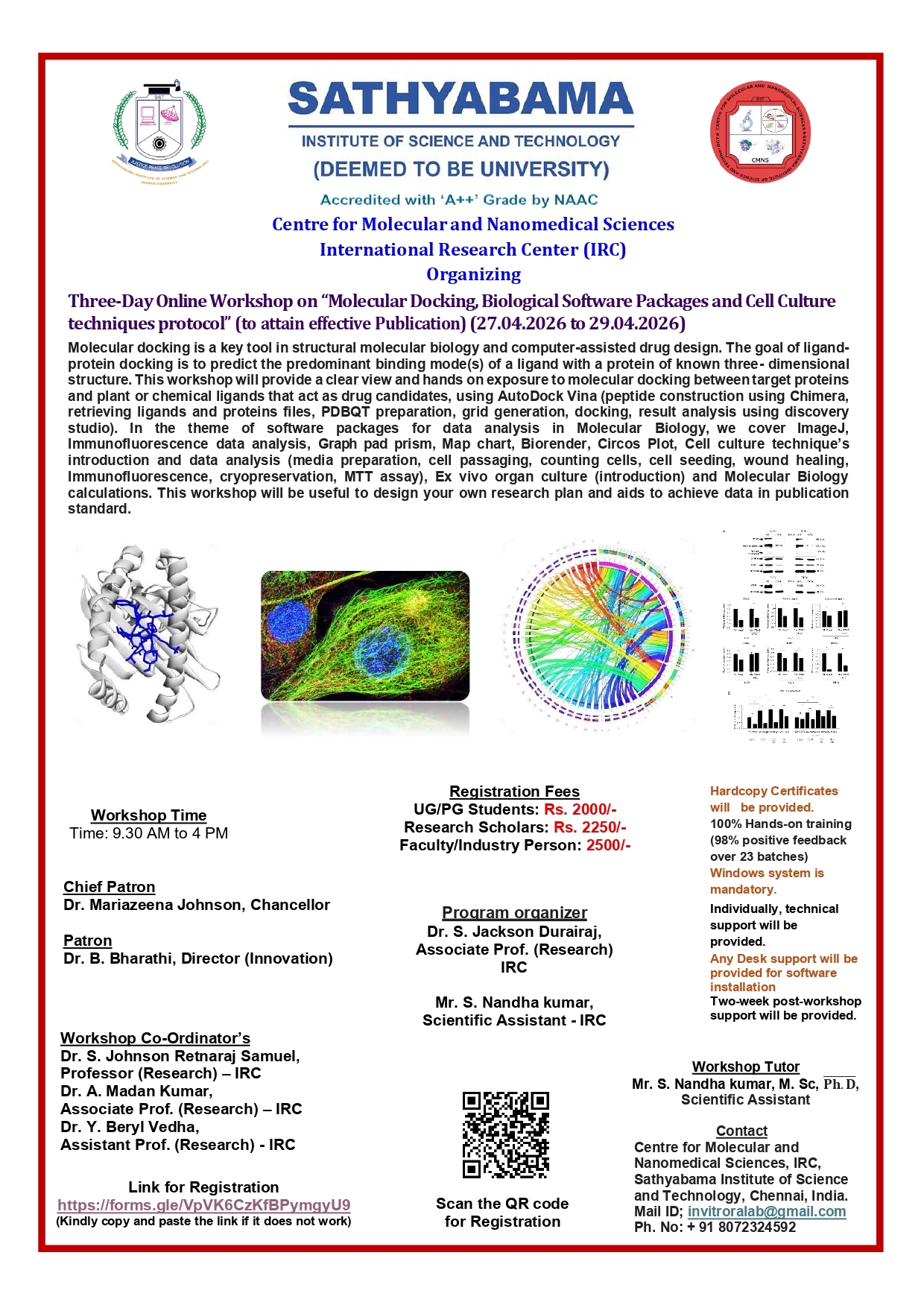
Sathyabama Institute of Science and Technology invite for the Hands-on Online Workshop (Zoom Platform) on “Molecular Docking, Biological Software Packages and Cell Culture Techniques” (to attain publication) between 27th – 29th April, 2026; Timing 09.30 am to 4.00 pm (IST), Organised by the Centre for Molecular and Nanomedical Sciences, International Research Centre (IRC), Sathyabama Institute of Science and Technology, Chennai. This workshop will provide a platform for the beginners to explore molecular docking, computational and cell culture techniques and implement these techniques in their field of research.
Following computational techniques such as; Molecular Docking using AutoDock Vina (Protein-ligand); Ligand preparation — Chimera; Docking analysis; Protein and Ligand preparation; Grid generation; Result analysis using Discovery Studio; Protein target screening and toxicity prediction will be covered. This workshop will provide a platform for the beginners to explore molecular docking, computational and cell culture techniques and implement these techniques in their field of research.
In the theme of data analysis, we are going to teach
ImageJ — Java-based image processing program, we can use it for many biological research experiments example western blotting, wound healing, immunofluorescence etc.,
Biorender — Scientific diagrams, and illustrations.
Circos Plot — Circos ideal for exploring relationships between objects or positions.
Mapchart — Make your own custom map of the World.
GraphPad Prism — Data analysis and graphing software (Survival graph).
Cell culture techniques and protocols include media preparation, cell passaging, counting cells in a Haemocytometer, cell seeding for MTT, wound healing and Immunofluorescence, cryopreservation, MTT assay and ex vivo organ (intro) calculations. Molecular Biology calculation includes stock and working concentration preparation and other basics.