
You’re making choices in a year when climate, insurance, and energy concerns are shaping homeowner priorities. A bathroom remodel isn’t just a cosmetic upgrade anymore it often intersects with storm protection, moisture control, and energy performance. In South Florida, those intersections are especially important because of hurricane exposure, high humidity, and evolving building codes. Click here for more information about Royal Palm Beach
You’ll want to think beyond tile and paint. This article walks through the decision factors, risks, regulations, and practical options that matter for a bathroom remodel in Royal Palm Beach, with an emphasis on critical considerations in 2026.
You should understand how local climate and regulations affect your project. Royal Palm Beach lies within a region where high wind events, heavy rainfall, and flood-prone areas influence design and permitting decisions.
Be aware of local flood zones, wind speed design parameters in the Florida Building Code, and the insurance market’s growing appetite for documented mitigation measures. Those factors change how you evaluate materials, where you place fixtures, and what scope of work you prioritize.
Your bathroom will face high humidity, frequent heavy rain, and the possibility of hurricane-driven wind and water intrusion. These conditions increase the risk of mold, structural rot, and water damage if moisture control and proper flashing are overlooked.
You should plan ventilation, waterproofing, and flashing details with those regional conditions in mind. Durability and maintainability are as important as aesthetics.
You need to comply with the Florida Building Code and local Royal Palm Beach permitting requirements. In many cases, even interior remodels require permits when you change plumbing, electrical, structural elements, or add new openings.
Permits ensure that work meets current safety and wind-resistance standards, which can matter for insurance and resale. Always verify permit requirements with the town’s building department before signing contracts.
You should set clear priorities so trades and permits align with your goals. Typical priorities include:
Having those priorities ordered helps you evaluate tradeoffs when bids and design options arrive.
You’ll want to address several core systems to get resilience and code compliance right. Each system is a potential source of future problems if ignored.
Wet-area waterproofing is non-negotiable in high-humidity climates. You should specify and install right-sized waterproof membranes under showers, around tubs, and behind wet-wall tile assemblies.
Use appropriate vapor retarders and moisture-resistant backer boards (e.g., cement board) instead of standard drywall in wet areas. Proper sloping of shower pans, quality tile-setting materials, and sealed transitions to flooring reduce leak risk.
You’ll need an exhaust fan sized for the room that vents outside, not into attics or soffits. Fans with humidity controls, timers, and low noise ratings encourage use, which reduces condensation, mold growth, and paint and trim deterioration.
Consider continuous ventilation strategies if you plan to seal the home tightly for energy efficiency.
You should position fixtures and finished flooring to reduce flood risk. If your property sits in a flood zone or has a history of basement/ground-level flooding, consider elevating mechanicals and using flood-resistant finishes near the floor.
Install high-quality shut-off valves and consider a pressure relief plan for fixtures that could overflow. If you live in a flood-prone area, consult FEMA guidance on elevating utilities and selecting flood-resistant materials.
Bathrooms require GFCI protection, code-compliant lighting, and appropriately rated fixtures for damp or wet locations. You should place switches and outlets above expected flood elevations when feasible.
LED lighting and low-heat options reduce energy use and heat load in small spaces.
If a remodel touches exterior walls, windows, or rooflines, you’ll need to coordinate with exterior installers. Roof or window issues often lead to interior water damage, so tying flashing and trim details into existing exterior protection is essential.
If you’re replacing windows as part of a whole-home mitigation effort, ensure the window selection aligns with Florida Building Code wind-loads and Miami-Dade approval where applicable.
You may wonder how much hurricane protection matters for a room inside the house. It matters more than you think.
A storm-damaged roof, failing window, or improperly flashed wall can allow water into interior finishes — and bathrooms often show the first signs of leaks because of plumbing and tile transitions. Consider these points:
You should treat efficiency as part of long-term value. Energy and water upgrades reduce operational costs and can intersect with insurance and financing decisions.
Low-flow toilets (1.28 gpf or lower), efficient showerheads (1.8–2.0 gpm), and faucet aerators save water without impacting user experience. You’ll also want to consider pressure-balanced valves to improve comfort while reducing waste.
Look for fixtures with recognized certifications (EPA WaterSense) and understand the tradeoffs between flow, user satisfaction, and how multiple fixtures running simultaneously affect system pressure.
You should evaluate whether to replace an old tank water heater with a heat-pump electric model or tankless system. Heat-pump water heaters can offer higher efficiency in most climates, whereas tankless units reduce standing losses but may struggle with simultaneous demand in multi-bath homes unless sized correctly.
Consider a point-of-use booster or shortening hot water run lengths during a bathroom remodel to reduce water waste and heat loss in piping.
You’ll want to ensure adequate insulation in exterior bathroom walls and seal air leaks to control humidity and energy use. If you’re planning a larger envelope upgrade (windows, doors, or roof), coordinate HVAC and insulation improvements to avoid moisture or pressure problems.
You should use LED lighting and dimmable controls where appropriate. Motion sensors or occupancy sensors can reduce wasted lighting in less-used bathrooms.
You should think about aging-in-place features even if you’re not planning to stay long-term. Consider curbless showers, reinforced walls for grab bars, wider doorways, and thermostatic controls. These choices increase the usefulness of the space for more buyers and improve safety during emergency situations.
Your material choices should prioritize durability and low maintenance. Some recommendations to consider:
You’ll likely compare multiple bids and approaches. Use a structured evaluation to make the best decision.
Ask contractors about licensing, insurance, local permitting experience, familiarity with Florida Building Code wind and flood requirements, and experience with storm protection products (impact windows, roof-to-wall connections).
Request references, recent projects in Royal Palm Beach or nearby, and documentation showing product approvals for high-wind areas (e.g., Miami-Dade NOA or TAS test reports where applicable).
You should review bids for clear scopes, specific product names and models, warranty terms, and allowances for finishes. Beware of low bids with vague scopes — they often lead to change orders.
Ask how contractors handle unforeseen conditions (rot, mold, structural problems) and whether you’ll receive an itemized change-order approval process.
You must ensure the contractor either pulls permits or helps you through the homeowner permit process. Permits are important for inspections and ensuring compliance; they can affect insurance and resale if work goes unpermitted.
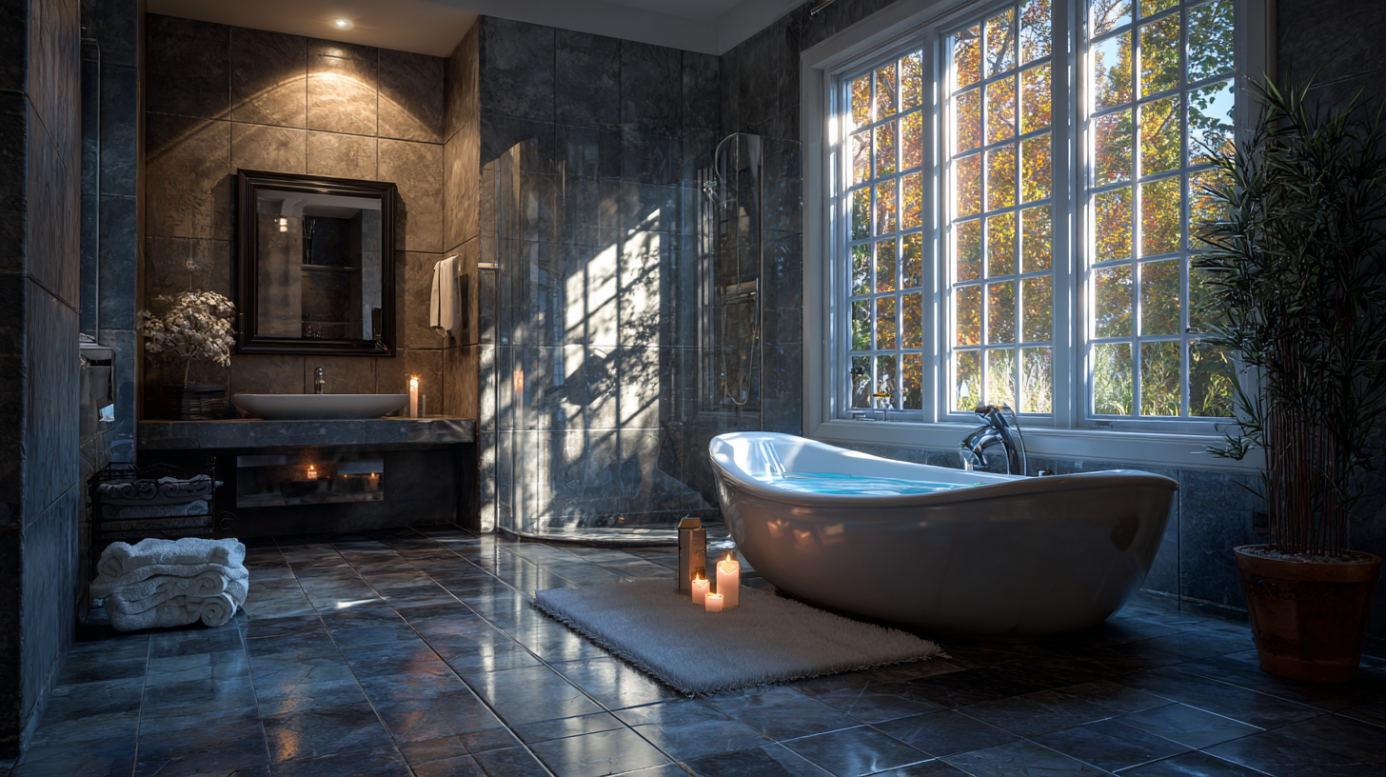
Costs vary based on finishes, scope, and whether you address exterior systems. Below is a general table showing illustrative tiers for bathroom remodeling in South Florida in 2026. These are informational ranges, not guarantees — regional labor and material costs change quickly.
| Tier | Typical scope | Representative cost range (USD) |
|---|---|---|
| Basic refresh | Replace fixtures, flooring, paint; existing layout | $8,000 – $20,000 |
| Mid-range remodel | New fixtures, tile shower/tub, improved ventilation, some plumbing relocation | $20,000 – $45,000 |
| High-end remodel | Layout change, structural work, custom cabinetry, high-end finishes, integrated mechanical upgrades, impact-rated windows | $45,000 – $100,000+ |
You should use these ranges only as starting points. Obtain detailed bids for accurate pricing.
You can use a simple matrix to weigh options by risk reduction, cost, and likely long-term value. For example:
Use the matrix to allocate budget to items that reduce risk (water intrusion, mold, structural damage) before cosmetic upgrades.
You should be aware of common pitfalls and practical mitigations:
If you’re planning exterior upgrades like roof replacement or impact windows elsewhere on the property, coordinate schedules and details.
You should align flashing, roof-to-wall connections, and window installation sequences so interior finishes aren’t re-opened later. Coordinating these projects can be more cost-effective and reduce the risk of future leaks.
You should document mitigation measures for your insurance provider. Insurers are increasingly asking for evidence of wind mitigation steps (roof condition, opening protection, secondary water resistance) and may offer premium credits for certain upgrades.
If you plan to finance the remodel, lenders may require permits and proof of code compliance. Upgrades that improve energy efficiency or resilience can sometimes improve appraisal outcomes, but outcomes vary by market.
You’ll want a maintenance plan once the remodel is complete. Simple checks like re-caulking seams annually, testing ventilation, and checking grout/tile seals can prolong life and prevent expensive repairs.
Plan for expected lifecycle replacements (fixtures, fan, grout) and set reminders for maintenance to preserve warranty and value.
You may be choosing between options for a bathroom window. The table below helps compare common choices.
| Option | Performance | Typical cost relative | Pros | Cons |
|---|---|---|---|---|
| Impact-rated window | High wind and water resistance; meets FBC/Miami-Dade where specified | High | Permanent protection, improved performance during storms, potential insurance benefits | |
| Storm shutters (deployable) | High when closed; variable otherwise | Moderate | Lower initial cost, removable when not needed | Requires storage/activation, may be less convenient |
| Reinforced glazing film | Limited impact mitigation | Low | Low cost, aesthetic preserved | Not a substitute for code-compliant protection |
| No protection | None | Lowest | No cost | Increased damage risk, potential insurance impacts |
You should match the option to your risk tolerance, budget, and code requirements. For many coastal homes, impact-rated products or certified shutters are recommended if openings are exposed.
In 2026, certain trends influence how you plan:
You should factor these trends into scheduling, product selection, and contingency planning.
Use this checklist to prepare your project:
Timelines vary by complexity and permitting. Below is a general timeline you can expect with good coordination:
You should plan for possible delays due to permit reviews or product lead times.
When you review estimates, ask:
These questions help you distinguish experienced remodelers from those less familiar with regional requirements.
You don’t have to spend top-dollar to reduce risk. Consider these tradeoffs:
You should allocate budget to items that protect structure and systems first, then to cosmetic upgrades.
You’ll benefit from keeping organized documentation: permits, product approvals, warranties, and photos of work during key stages. Buyers and insurers appreciate a clear paper trail that shows the property meets modern standards.
If you’re planning to sell within a few years, prioritize upgrades that align with buyer expectations in South Florida: resilience, efficient systems, and low-maintenance materials.
If you’re ready to move forward, start with a site assessment and permit check. Ask potential contractors for references on similar Royal Palm Beach projects and review product approvals for wind and water performance.
For questions about broader exterior upgrades or storm protection that affect interior work, coordinate timing so interior remodels aren’t exposed to rework after exterior improvements.
Contact information for local inquiries and documentation needs:
This article is for informational purposes only and does not constitute professional, legal, or construction advice. Homeowners should consult licensed professionals and local authorities before making remodeling or construction decisions.
If you want, you can tell me about your specific bathroom layout or concerns and I’ll help you map priorities and likely tradeoffs for a remodel in Royal Palm Beach.


for up to 18 months
