
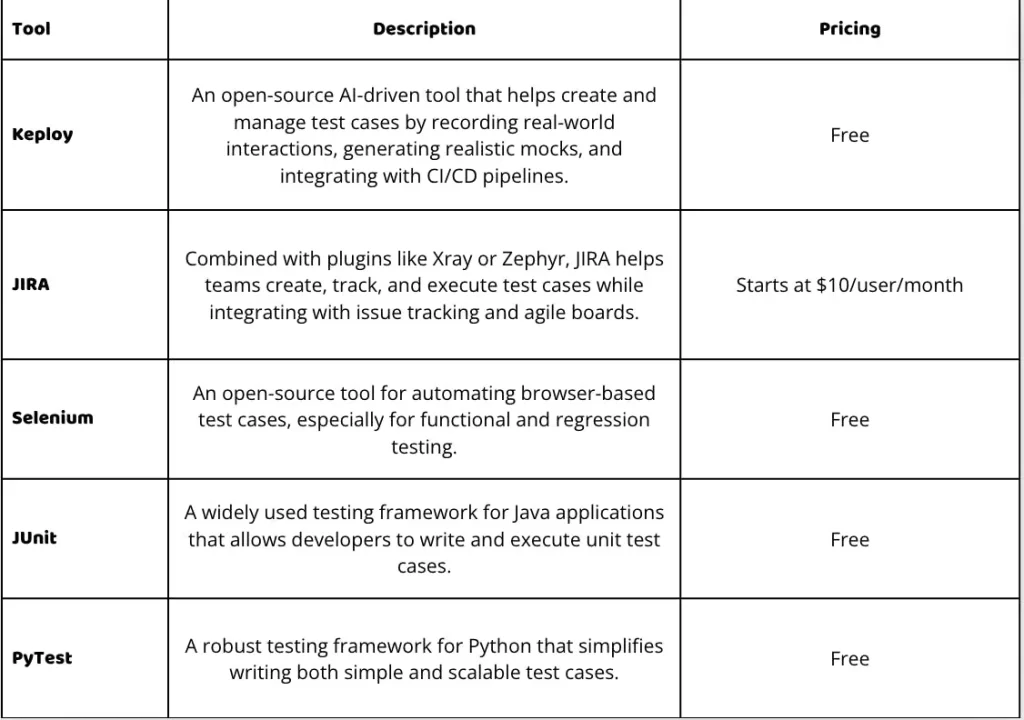
Are you looking to enhance your software testing skills? Understanding test case examples is crucial for ensuring quality and efficiency in any development process. By examining real-world scenarios, you can gain insights into how to create effective test cases that not only identify bugs but also improve the overall user experience.
Overview of Test Case Examples
Test cases serve as essential tools in software testing. They define conditions under which a system is tested, ensuring quality and functionality. Here are some common test case examples:
- Login Functionality
Verify that the user can log in with valid credentials.
- Input: Correct username and password
- Expected Result: User accesses their account successfully
- Search Feature
Ensure that the search function returns relevant results.
- Input: Keyword “test case”
- Expected Result: List of articles related to “test case” appears
- Form Submission
Check if the form submits correctly when all fields are filled.
- Input: All required fields completed accurately
- Expected Result: Confirmation message displayed
- Error Handling
Validate error messages for invalid inputs.
- Input: Incorrect email format during registration
- Expected Result: Error message prompts correct input
- Logout Functionality
Test whether a logged-in user can log out successfully.
- Input: Click on logout button
- Expected Result: User redirected to the login page
Creating effective test cases involves clear steps and expected outcomes, enhancing your testing process significantly. Each example provides insights into potential issues before they affect users, thus improving overall software quality.
Importance of Test Case Examples
Test case examples play a crucial role in software testing. They enhance your ability to identify bugs and improve functionality, ensuring a better user experience.
Improving Software Quality
Effective test cases directly contribute to improved software quality. By utilizing real-world scenarios, you can pinpoint issues early in the development cycle. This proactive approach reduces the likelihood of defects reaching production. For instance, consider these common test case examples:
- Login Functionality: Verify correct credentials lead to successful login.
- Search Features: Ensure search returns relevant results based on keywords.
- Form Submission: Confirm that mandatory fields are validated before submission.
Each example helps refine the product and fosters continuous improvement.
Facilitating Communication
Test case examples serve as a universal language among team members. They create clarity when discussing requirements or expected outcomes. When developers, testers, and stakeholders refer to specific test cases, misunderstandings diminish significantly. Here’s how effective communication occurs:
- Common Reference Point: Everyone understands what is being tested.
- Clear Expectations: Stakeholders know what results to anticipate.
- Streamlined Feedback: Quick identification of areas needing adjustment enhances collaboration.
By establishing this shared understanding through test cases, you promote teamwork and efficiency throughout the project lifecycle.
Types of Test Case Examples
Understanding different types of test cases enhances your software testing skills. Here are two main categories.
Functional Test Cases
Functional test cases focus on specific functionalities within the application. They ensure that each feature behaves as expected under various conditions. Typical examples include:
- Login Functionality: Testing valid and invalid user credentials to verify access.
- Search Feature: Assessing keyword searches to confirm accurate results appear.
- Form Submission: Validating field inputs, including mandatory fields and error messages.
These cases help catch issues related to user interactions before they affect end-users.
Non-Functional Test Cases
Non-functional test cases evaluate aspects like performance, usability, and reliability. These factors don’t directly relate to specific functions but significantly impact user experience. Key examples consist of:
- Performance Testing: Measuring response times under heavy load conditions.
- Usability Testing: Gathering feedback on the interface’s intuitiveness from real users.
- Security Testing: Identifying vulnerabilities by simulating potential attacks.
By focusing on these areas, you ensure that your software not only works correctly but also meets user expectations in other critical ways.
Best Practices for Writing Test Case Examples
Writing effective test case examples demands attention to detail and clarity. Here are some best practices to follow:
- Use clear titles: Each test case should have a descriptive title that conveys its purpose. For instance, “Login Functionality – Valid Credentials” immediately informs the reader of what to expect.
- Define inputs and outputs: Clearly specify the input values along with expected results. An example might be entering a valid username and password should lead to a successful login.
- Include preconditions: Specify any setup required before executing the test case, such as user registration or necessary configurations.
- Outline steps logically: Write detailed steps for executing the test case in sequential order. This helps testers understand exactly how to perform the actions needed.
- Keep it concise: Aim for brevity while covering all necessary details in your test cases. Avoid unnecessary jargon that may confuse readers.
- Prioritize readability: Use bullet points or numbered lists where applicable to enhance clarity and make information easy to digest.
- Review regularly: Regularly update your test cases based on changes in functionality or requirements, ensuring they remain relevant and accurate.
- Incorporate real-world scenarios: Use realistic examples that reflect actual user behavior, making your tests more relatable and effective at uncovering issues.
- Collaborate with team members: Share your test cases with peers for feedback; fresh perspectives can improve quality significantly.
- Leverage templates when possible: Utilize standardized templates for consistency across different tests, facilitating easier understanding among team members.
By following these practices, you enhance not only the effectiveness of your testing but also contribute positively to overall software quality.