
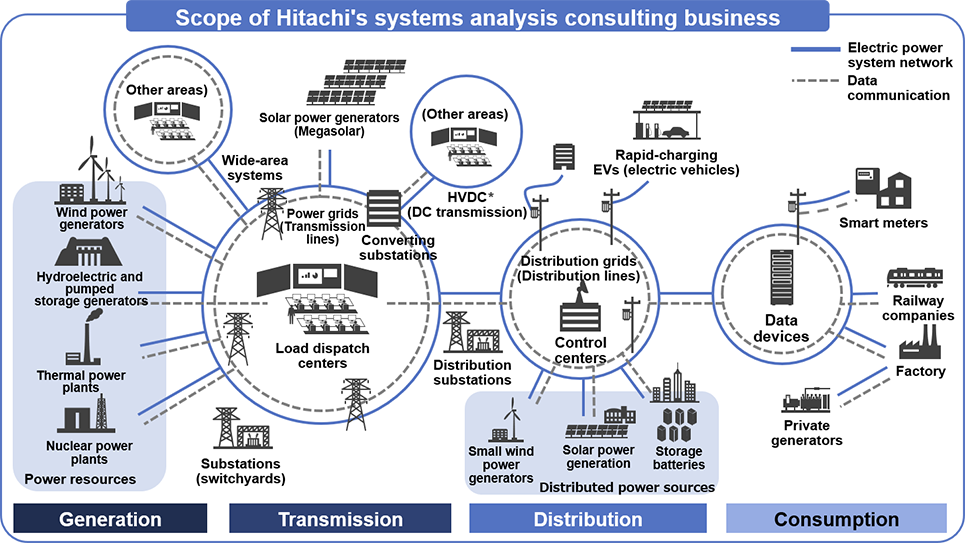
Imagine navigating through complex processes without a clear framework. System examples serve as essential blueprints that simplify our understanding of how various elements interact and function together. From technology to biology, systems are all around us, shaping our everyday experiences in ways we often overlook.
Overview of System Examples
System examples illustrate how various components interact within a framework. They provide clarity on complex processes across different fields.
In technology, systems like computer networks enable communication between devices. For instance, the Internet connects millions of computers globally. This connection allows data exchange and resource sharing efficiently.
In biology, ecosystems exemplify interconnected systems. Each organism plays a role in maintaining balance. Producers, consumers, and decomposers work together to sustain life.
Here are additional system examples across diverse sectors:
- Educational Systems: Schools utilize structured curricula for effective learning.
- Economic Systems: Markets regulate supply and demand through pricing mechanisms.
- Healthcare Systems: Hospitals coordinate patient care through specialized departments.
Utilizing these system examples can enhance understanding and problem-solving in various contexts.
Types of System Examples
Understanding the different types of systems helps clarify how components work together in various fields. Below are two main categories of system examples.
Physical Systems
Physical systems consist of tangible elements that interact within a defined space. These systems often include machinery, structures, or organisms. Here are some key examples:
- Mechanical Systems: Machines like engines and gears operate as mechanical systems.
- Electrical Systems: Circuits and electrical grids distribute power across regions.
- Biological Systems: Organisms like ecosystems showcase interactions among living entities and their environments.
Each physical system demonstrates how parts contribute to the whole, providing insight into functionality and efficiency.
Abstract Systems
Abstract systems involve concepts and ideas rather than physical components. These systems illustrate relationships between various elements without a concrete form. Consider these examples:
- Mathematical Systems: Frameworks for solving equations or modeling scenarios fall under mathematical systems.
- Economic Systems: Market dynamics regulate supply and demand, influencing pricing mechanisms.
- Educational Systems: Curricula designed for effective learning represent structured educational frameworks.
Abstract systems reveal the underlying principles governing complex processes, enhancing understanding in theoretical contexts.
Real-World Applications of System Examples
System examples manifest in various fields, demonstrating their significance. These applications illustrate how systems simplify complex interactions and processes.
Business and Management Systems
Business systems streamline operations and enhance efficiency. For instance, Customer Relationship Management (CRM) systems help businesses track customer interactions, improving service quality. Additionally, project management tools like Asana or Trello organize tasks effectively. They centralize communication and monitor progress, enabling teams to collaborate seamlessly.
Examples also include supply chain management systems that optimize inventory control. These systems ensure timely delivery by coordinating suppliers and distributors. Moreover, enterprise resource planning (ERP) systems integrate core business processes into a unified framework, enhancing decision-making through real-time data access.
Scientific and Technological Systems
Scientific systems drive research and innovation across disciplines. For example, laboratory information management systems (LIMS) manage samples efficiently. They track lab workflows while ensuring compliance with regulatory standards. Furthermore, simulation software allows scientists to model complex phenomena digitally, from climate change impacts to molecular behaviors.
Technological systems like cloud computing platforms revolutionize data storage and accessibility. They enable businesses to scale resources as needed without investing heavily in hardware infrastructure. Lastly, cybersecurity frameworks protect sensitive information by implementing protocols that safeguard against digital threats—crucial for maintaining trust in online transactions.
Benefits of Using System Examples
System examples simplify complex concepts. They break down intricate processes into manageable parts, making them easier to grasp. For instance, understanding how a computer network operates becomes clearer by studying system examples that outline its components.
You gain insights into interactions between components. When you analyze various systems, you see how elements work together. This knowledge is valuable in fields like biology and technology, where relationships among components drive functionality.
System examples enhance problem-solving skills. By applying these frameworks to real-world situations, you can identify solutions more effectively. In business management, for example, using CRM systems helps streamline customer interactions and improve efficiency.
You can apply learned principles across different domains. Recognizing commonalities in system structures facilitates interdisciplinary learning. Math systems teach abstract reasoning that applies to economic models or educational frameworks.
Here are specific benefits of using system examples:
- Clarity: Breaks down complex ideas.
- Efficiency: Streamlines processes.
- Interconnectivity: Shows relationships among components.
- Applicability: Offers insights across disciplines.
- Problem-Solving: Enhances decision-making skills.
By leveraging these benefits, you deepen your understanding of systems while gaining practical tools for application in various contexts.