
Every day, you face challenges that require quick thinking and effective solutions. Whether it’s a minor inconvenience or a major hurdle, problem solving examples can provide valuable insights into how to tackle these issues head-on. By examining real-life scenarios, you’ll discover practical strategies that not only resolve problems but also enhance your critical thinking skills.
Understanding Problem Solving
Problem solving involves identifying challenges and determining effective solutions. It’s a crucial skill in various aspects of life, from professional settings to personal situations.
Definition of Problem Solving
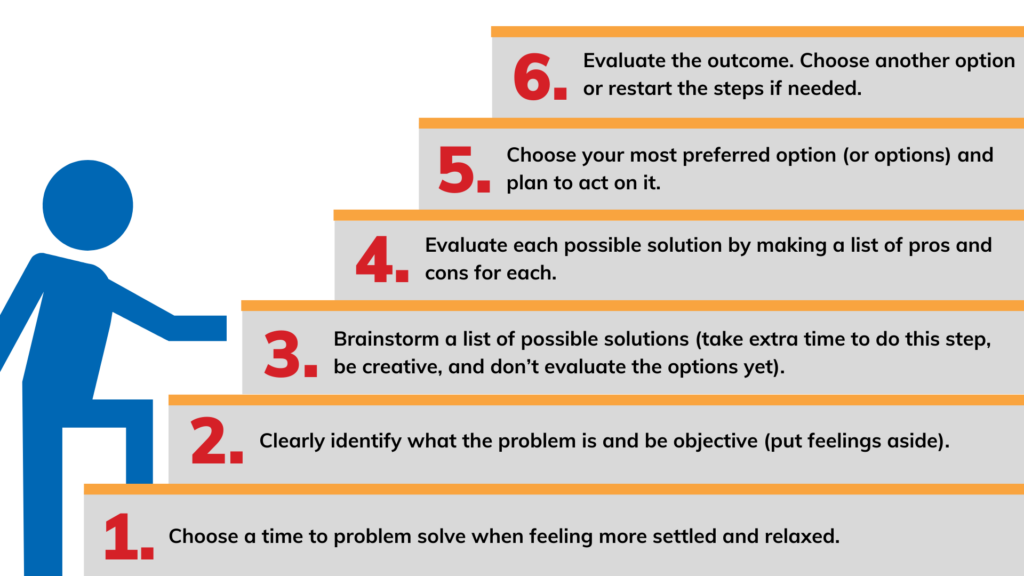
Problem solving refers to the process of finding solutions to complex or simple issues. It includes several steps: recognizing the problem, analyzing it, brainstorming potential solutions, and implementing the best option. A strong grasp of this definition helps you tackle obstacles with confidence and clarity.
Importance of Problem Solving Skills
Problem-solving skills enhance your ability to navigate daily challenges. These skills foster critical thinking and creativity. Here are a few reasons why these abilities matter:
- Decision Making: Effective problem solvers make informed choices quickly.
- Adaptability: You can adjust strategies when faced with unexpected issues.
- Collaboration: Strong problem-solving encourages team cooperation for better outcomes.
Ultimately, honing these skills leads to improved personal and professional success.
Common Problem Solving Techniques
Effective problem-solving techniques enhance your ability to tackle challenges. Here are some widely used methods that can help you develop strong solutions.
Brainstorming
Brainstorming encourages the generation of creative ideas without immediate judgment. Gather a group and set a timer, allowing everyone to share their thoughts freely. For example, if you’re facing a marketing challenge, ask team members to propose various campaigns within five minutes. Afterward, review the ideas and select the most promising ones for further development.
Root Cause Analysis
Root cause analysis identifies underlying issues rather than just addressing symptoms. Use the “5 Whys” technique by asking “why” repeatedly until you reach the core problem. For instance, if project deadlines are consistently missed, start with “Why did we miss the deadline?” This method helps uncover deeper issues like resource allocation or communication breakdowns.
Mind Mapping
Mind mapping visually organizes information related to a central concept. Start with your main problem in the center and branch out into sub-issues or potential solutions. You could create a mind map for improving customer satisfaction by including branches for feedback collection, staff training, and service enhancements. This technique clarifies relationships between different aspects of complex problems.
Problem Solving Examples in Different Fields
Problem-solving plays a crucial role across various sectors, offering practical strategies for addressing specific challenges. Here are some examples from education, business, and healthcare.
Education
In education, problem-solving enhances student engagement and learning outcomes. For instance, teachers often face issues with classroom management. Implementing collaborative group work can mitigate disruptions. This method encourages peer accountability and strengthens social skills. Additionally, using technology like interactive quizzes helps identify gaps in understanding quickly.
Business
In the business sector, effective problem-solving drives innovation and efficiency. Companies frequently encounter market competition challenges. Conducting SWOT analysis helps identify strengths, weaknesses, opportunities, and threats. A tech firm might use this technique to pivot its product strategy based on customer feedback or emerging trends. Moreover, adopting Agile methodologies enables teams to address project roadblocks promptly.
Healthcare
Healthcare professionals regularly confront complex scenarios requiring quick solutions. For example, hospitals often face patient flow issues during peak hours. Implementing triage systems optimizes resource allocation effectively. This approach prioritizes care based on urgency while minimizing wait times. Additionally, utilizing data analytics allows providers to predict patient influxes better and prepare accordingly.
Real-Life Problem Solving Case Studies
Exploring real-life problem-solving case studies provides valuable insights into effective strategies used across various fields. Here are two notable examples.
Case Study 1: Business Resolution
In a retail company, sales dropped significantly during a holiday season. To address this issue, the management implemented a SWOT analysis, identifying strengths and weaknesses in their marketing strategy. They discovered that online advertising lagged behind competitors. As a solution, they increased their digital marketing budget by 30% and launched targeted campaigns.
- Result: Sales increased by 25% compared to the previous year.
- Lesson learned: Effective use of data-driven decision-making can lead to improved outcomes.
Case Study 2: Educational Innovation
A local high school faced challenges with student engagement during remote learning. Teachers collaborated to create interactive quizzes using technology platforms like Kahoot! This method encouraged participation through gamification.
- Implementation steps included:
- Training teachers on new tools.
- Incorporating feedback from students regarding quiz formats.
As a result, students reported higher levels of enjoyment and understanding of the material.
- Outcome: Engagement rates improved by over 40%.
- Takeaway: Innovative techniques can enhance traditional education methods effectively.
Tips for Effective Problem Solving
Effective problem-solving requires a structured approach. You can enhance your ability to tackle challenges by following key strategies.
Identify the Problem Clearly
Clearly defining the problem is crucial. Start by asking questions that uncover the root of the issue, like “What happened?” or “Why is this a problem?” For instance, if customer complaints about product quality arise, focus on specific feedback to pinpoint concerns. Sometimes, using tools like flowcharts can help visualize problems and identify areas needing attention.
Evaluate Possible Solutions
Evaluating potential solutions involves careful consideration. List various options and assess each one based on feasibility and impact. For example, if you face delayed project timelines, consider alternatives such as reallocating resources or adjusting deadlines. Use criteria like cost-effectiveness or team capacity when weighing choices. Engaging with team members for their perspectives often leads to more comprehensive solutions too.
By implementing these steps in your problem-solving process, you’ll foster clearer thinking and better decision-making outcomes.