
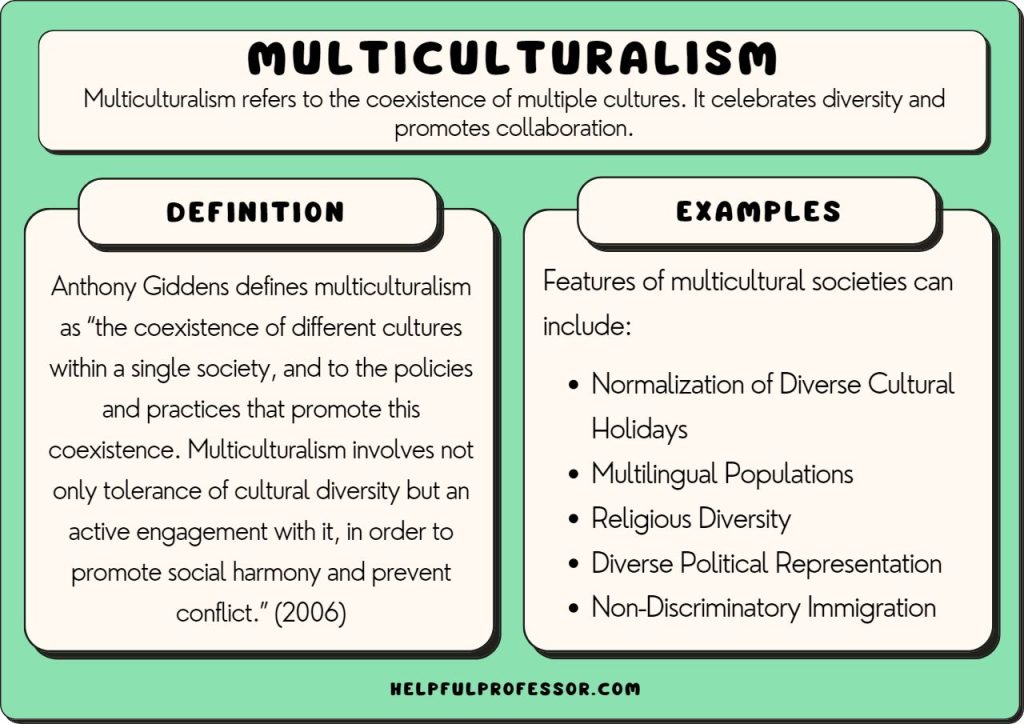
In a world that’s increasingly interconnected, understanding the multicultural definition is more important than ever. Have you ever wondered how diverse cultures shape our daily lives? From the foods we eat to the festivals we celebrate, multiculturalism enriches our experiences and broadens our perspectives.
Understanding Multicultural Definition
Multiculturalism refers to the coexistence of diverse cultures within a society. It emphasizes mutual respect and understanding among different cultural groups, enriching communities with varied perspectives and practices.
Historical Context
Multiculturalism emerged as a response to global migration trends. In the late 20th century, nations like Canada officially adopted multicultural policies to embrace diversity. For instance, the Canadian Multiculturalism Act of 1988 recognized the rights of individuals from various ethnic backgrounds. Similarly, Australia embraced multicultural policies in the 1970s to promote social cohesion among its diverse population.
Key Concepts and Elements
Key concepts in multiculturalism include:
- Cultural Diversity: Celebrating differences in ethnicity, language, and traditions.
- Inclusivity: Ensuring all cultural groups feel valued and represented.
- Intercultural Dialogue: Encouraging communication between cultures for better understanding.
Elements such as education about different cultures play a vital role in promoting tolerance. Schools that incorporate multicultural curricula help students appreciate diverse perspectives. Additionally, community events celebrating various cultural festivities foster unity while highlighting unique traditions.
Importance of Multicultural Definition
Understanding the multicultural definition is essential in today’s globalized society. It impacts social dynamics and economic opportunities, highlighting the need for inclusivity and respect among various cultural groups.
Social Impact
Multiculturalism fosters social cohesion by promoting understanding among different communities. For example, festivals like Diwali or Lunar New Year encourage participation from diverse populations, enhancing community bonds. Schools that implement multicultural curricula help students appreciate varying perspectives, which cultivates empathy and reduces prejudice. Additionally, urban areas enriched with diverse cultures often experience lower crime rates due to increased community engagement.
Economic Benefits
Embracing a multicultural definition contributes significantly to economic growth. Diverse workforces drive innovation by bringing unique ideas and solutions to challenges faced by businesses. Companies that prioritize diversity often see improved performance metrics; for instance:
- Increased profitability: Research shows that organizations with diverse teams perform 35% better.
- Higher employee retention: Inclusive workplaces retain talent longer, reducing recruitment costs.
- Expanded market reach: Businesses tapping into multicultural markets can attract new customers.
By recognizing the value of multiculturalism, societies not only enhance their social fabric but also unlock substantial economic potential.
Challenges in Defining Multiculturalism
Defining multiculturalism presents several challenges. These complexities arise from varying interpretations and frequent misinterpretations of the term.
Varying Perspectives
Varying perspectives shape how multiculturalism is understood. Individuals and groups might see it as a means to celebrate diversity, while others may view it as a threat to national identity. In some contexts, multiculturalism emphasizes inclusion and respect for different cultures. However, others argue that it can lead to segregation or conflict when cultural differences aren’t acknowledged properly. This divergence complicates the establishment of a unified definition.
Misinterpretations
Misinterpretations often cloud discussions about multiculturalism. Many mistakenly equate it with mere tolerance rather than active engagement. Active engagement involves appreciating and understanding diverse cultures, not just coexisting with them. Furthermore, some assume that multicultural policies promote inequality by favoring certain groups over others, which isn’t necessarily true. Clarifying these misconceptions is crucial for fostering meaningful dialogue around what multiculturalism truly entails.
Examples of Multiculturalism in Practice
Multiculturalism manifests in various forms across the globe, providing rich examples of how diverse cultures can coexist and thrive. Understanding these examples helps highlight the benefits and challenges inherent in multicultural societies.
Case Studies
- Toronto, Canada: Toronto is one of the most multicultural cities, with over 160 nationalities represented. The city’s policies promote inclusivity through community centers that offer language classes and cultural festivals celebrating different heritages.
- Melbourne, Australia: Melbourne embraces multiculturalism with its vibrant neighborhoods like Carlton and Richmond. These areas showcase Italian and Vietnamese cultures respectively through cuisine, festivals, and shops that reflect their diverse communities.
- New York City, USA: New York features a tapestry of cultures with neighborhoods such as Chinatown and Little Italy. Each area contributes unique traditions to the city’s identity, from food markets to annual celebrations.
- London, UK: London displays its diversity through events like Notting Hill Carnival which celebrates Caribbean culture. The city also supports numerous cultural organizations aimed at fostering dialogue among different groups.
- Kitchener-Waterloo (Canada): This region promotes a strong sense of community by hosting events like Oktoberfest alongside Eid celebrations. Such initiatives encourage interaction between diverse groups.
- Los Angeles (USA): LA’s neighborhoods reflect global cultures—like Koreatown—where you can experience authentic cuisine while engaging in cultural exchanges at local events.
- Paris (France): Paris showcases multiculturalism through various ethnic enclaves where you find traditional markets offering ingredients from around the world along with art exhibits highlighting different cultures.
- Singapore: Singapore represents harmony among ethnic groups such as Chinese, Malay, and Indian communities. Government policies actively support social cohesion through housing regulations ensuring mixed communities.
These examples illustrate how multiculturalism enriches societies by promoting understanding while enhancing economic opportunities through diversity-driven innovation and creativity.