Dual language immersion (DLI) programs are often described as a powerful lever for educational equity, but only when they are intentionally designed and well supported.
In a school system that serves an increasingly multilingual student population, dual language immersion programs offer a research-backed way to strengthen academic outcomes while honoring students’ languages and cultures.
This guide breaks down what dual language immersion programs are, why they work, and what schools should consider when implementing them.
Whether you are just starting to explore DLI or trying to strengthen a program that already exists, these questions can help you plan with the long term in mind.
Contents
- 1 Dual Language Immersion and Educational Equity
- 2 What Are Dual Language Immersion Programs?
- 3 Benefits of Dual Language Immersion Programs
- 4 How to Implement a Strong Dual Language Immersion Program
- 5 Key Considerations Before Launching
- 6 Dual Language Programs in Practice
- 7 Programs to Support and Leverage Languages
Dual Language Immersion and Educational Equity
Dual language immersion programs treat bilingualism as an asset.
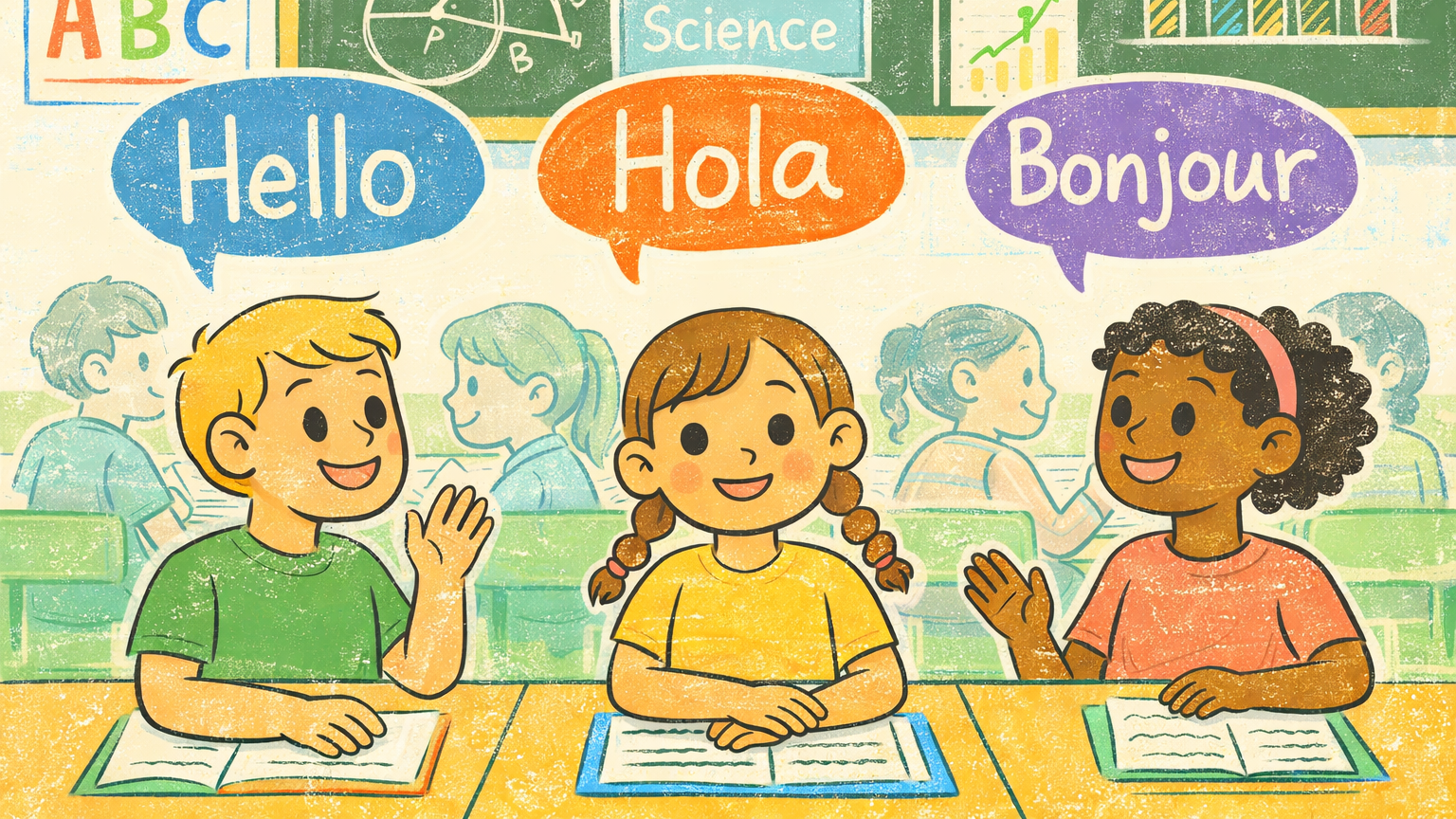
They allow students, both multilingual learners (MLLs) and native English speakers, to learn academic content in two languages, typically English and a partner language.
These types of programs can help students achieve strong academic outcomes over time.
Importantly, these benefits do not come at the expense of English development. In many cases, students in DLI programs match or outperform peers in English-only settings by upper elementary grades.
For schools committed to equity, DLI provides a way to expand opportunity while supporting long-term academic success.
In practice, that can mean shifting MLLs from remedial tracks into rigorous, language rich classrooms where their home language is a core part of the model.
What Are Dual Language Immersion Programs?
Dual language immersion programs are K–12 instructional models in which students learn literacy and academic content in two languages.
Rather than treating language learning as a separate subject, DLI integrates language and content instruction throughout the school day.
There are two common models:
- Two-way dual language immersion, which enrolls a mix of native English speakers and native speakers of the partner language.
- One-way immersion, which primarily serves students who share the same home language, often MLLs.
Across both models, DLI programs share three core goals:
- Bilingualism and biliteracy
- Grade-level academic achievement
- Cross-cultural understanding
Programs often begin in kindergarten or first grade and continue through elementary school, with some districts extending DLI pathways into middle and high school.
Benefits of Dual Language Immersion Programs
Decades of research point to several consistent benefits of dual language immersion:
Strong Academic Outcomes
Students in DLI programs often perform as well as, or even better than their peers in English language, arts, math, and other core subjects. These gains increase over time, especially in upper elementary and middle school.
If you already have a DLI program, ask yourself or your team: how do your current reading and math outcomes compare to similar non‑DLI schools over time, especially by upper elementary?
Improved Long-Term Outcomes for Multilingual Learners
Multilingual learners in DLI programs tend to reach English proficiency at higher rates and are less likely to remain stuck in long-term language support services. Studies also link DLI participation to higher graduation rates compared to English-only models.
True Bilingualism and Biliteracy
DLI students develop strong reading, writing, and speaking skills in two languages. By middle school, many reach proficiency levels that far exceed those of students in traditional world language classes.
Stronger Identity and Family Engagement
Maintaining and developing students’ home languages supports confidence, cultural identity, and family engagement. When schools value families’ languages, families are more likely to participate actively in their children’s education.
Every school team should be asking themselves where do families see their language and culture reflected in their classrooms and events, beyond initial translations at the front door?
How to Implement a Strong Dual Language Immersion Program
Successful DLI programs are built intentionally. Common implementation steps include:
- Establish a Shared Vision: School and district leaders begin by building understanding and buy-in among staff, families, and the broader community. This includes reviewing research, assessing student demographics, and clarifying long-term goals.
- Design the Program Model: Schools select a model that fits their context, such as a 90/10 or 50/50 language allocation, and determine grade span, partner language(s), and enrollment structures.
- Develop High-Quality Curriculum in Both Languages: Instructional materials must be standards-aligned, rigorous, and culturally sustaining in both languages. Schools also plan for assessments that measure learning across languages.
- Recruit and Support Bilingual Educators: Qualified bilingual teachers are essential. Ongoing professional development for teachers and administrators helps ensure consistent instructional quality and program fidelity.
- Engage Families and Launch Equitably: Be intentional about outreach and enrollment policies so DLI seats are not limited to families with the most time, information, or English proficiency. For example, provide information sessions and applications in multiple languages and at varied times. Equitable access policies help prevent exclusion of students who could benefit most.
- Monitor, Refine, and Sustain: Schools track student progress in both languages, review outcomes annually, and adjust instruction or support as needed. Long-term funding and staffing plans help sustain program quality.
Key Considerations Before Launching
Before implementing a DLI program, schools should reflect on several readiness factors:
- Teacher capacity: Are bilingual educators available, and is there a plan to support and retain them? Consider new recruitment processes and new support systems to prevent burnout of what might be an already limited bilingual staff.
- Leadership and community support: Is there shared commitment across district leadership, staff, and families? If not, you might provide informational sessions or create an advisory committee.
- Funding and resources: Are there sustainable funding sources for curriculum, staffing, and professional learning? Make sure to develop a budget and apply to grants if necessary.
- Policy and logistics: Do state and district policies support bilingual instruction, enrollment equity, and assessment needs? Set an enrollment criteria for your programs and plan other operational details like scheduling, transportation, etc.
Dual Language Programs in Practice
States and districts across the country offer examples of DLI at scale:
Utah’s Statewide Dual Language Initiative
Back in 2008, Utah launched a legislative-supported program with the goal to implement 100 DLI schools by 2015.
Not only did they reach the goal before the deadline, but they also implemented a consistent 50/50 model (half day in English, half day in target language), and currently serve students in Spanish, Mandarin Chinese, French, Portuguese, and German across different districts.
Portland Public Schools
Portland’s school district is often cited for its long-running and successful dual language programs.
The district began offering dual immersion in the 1980s and now has DLI tracks in Spanish, Japanese, Mandarin Chinese, Russian, and Vietnamese. Research has shown strong literacy outcomes and higher English proficiency rates for MLLs in these schools.
Programs to Support and Leverage Languages
Dual language immersion programs sit at the intersection of educational fairness and excellence.
When thoughtfully designed and well supported, they raise academic achievement, strengthen bilingualism, and create more inclusive learning environments.
For districts committed to serving MLLs and expanding opportunity, dual language immersion is a long-term investment in students, families, and communities.
A useful first move is to map your current multilingual learner landscape: Where are students currently placed, which languages are most represented, and what bilingual assets already exist among staff and families?
If you’d like to know more about how your school or district can integrate dual language programs, contact Ensemble Learning and let’s explore opportunities together.


