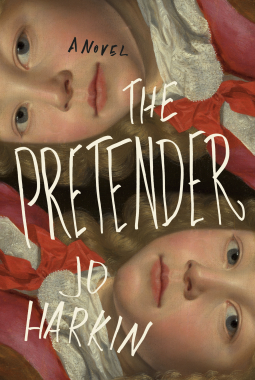
This historical novel, which imagines the life of the man known to history as Lambert Simnel, pretender to the English throne, was utterly absorbing and is one of my favourite books of this year so far.
What we know from history about “Lambert Simnel” is not much. He was the figurehead of a short-lived rebellion against Henry VII in 1487. The Yorkist rebels who wanted to unseat Henry claimed that Simnel was really Edward Planagenet, the son of the late George, Duke of Clarence, rightful heir to the throne (despite the fact that the real Edward was safely in prison under Henry’s control at the time — there seems to have been a suggestion that the “real” heir, Simnel, had been hidden away with a humble family in the countryside while the imprisoned Edward was actually the fake). Simnel played no leading role in the rebellion, being only about ten years old (this novel makes him a little older, but still basically a child) and, unusually for royal pretenders, he was pardoned and reportedly given a job in the royal kitchens, as suited his humble background. Then he disappears from the historical record.
With no more than this to go on, Jo Harkin creates a wonderful, vivid, well-rounded life for the boy who begins life as a farm lad named John, becomes a pretender named Lambert Simnel, and is believed by a few (or do they believe it at all? Is it a purely cynical matter of selecting a child who looks enough like the York heir to be credible?) to be Edward, Earl of Warwick. The different worlds Lambert moves through on his strange coming-of-age journey are brilliantly sketched, but this isn’t just an imaginative recreation of a historical footnote. It’s a thoughtful and sometimes heartbreaking exploration of identity — how each of us moves through many roles, many selves, even if we don’t change our names as we travel through life. What’s lost and what’s left behind in each one, and how we are all, in some ways, pretenders.
This was a big, bold, beautiful novel and it will stay with me for a long time.




 Compulsive Overreader