
As an Amazon Associate I earn from qualifying purchases.

Key Takeaways
- Microchips and microprocessors, when viewed as geopolitical entities, represent distinct types of administrative and territorial units with unique governance implications.
- Microchips typically denote small, localized enclaves or territories often surrounded by other jurisdictions, influencing political autonomy and cultural identity.
- Microprocessors refer to larger, often semi-autonomous regions with more extensive administrative powers and economic infrastructures within a broader national framework.
- The interaction of microchips and microprocessors within geopolitical landscapes shapes resource distribution, legal authority, and regional diplomacy.
- Understanding their differences assists in grasping complex territorial management and sovereignty issues in contemporary geopolitics.
What is Microchip?
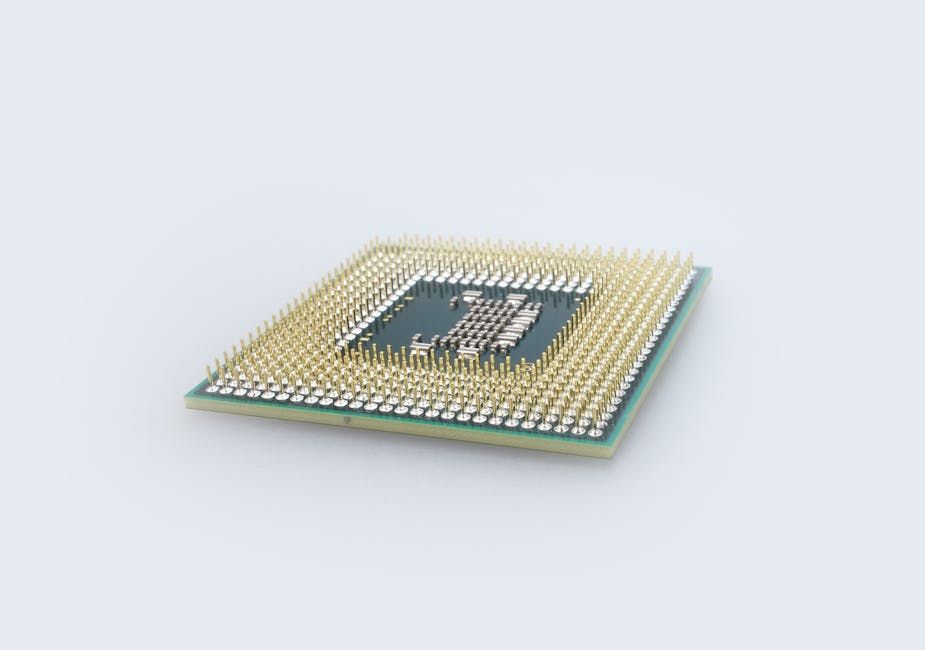
In a geopolitical context, a microchip refers to a small, often isolated territorial unit that exists within or between larger political entities. These territories are usually characterized by limited landmass and a high degree of administrative specificity.
Localized Territorial Autonomy
Microchips often enjoy a degree of self-governance that allows them to manage local affairs independently of surrounding regions. This autonomy can be crucial for preserving unique cultural or historical identities within a broader state framework.
For example, certain enclave territories in Europe maintain their own local governments despite being surrounded by other countries, illustrating the political complexity of microchips. The administrative arrangements often require special legal agreements to balance sovereignty and cooperation.
Such territorial units can also serve strategic purposes, such as acting as buffer zones or centers of cultural preservation. Their size does not diminish their political significance, especially in regions with contested borders.
Economic and Cultural Distinctiveness
Microchips frequently possess unique economic profiles shaped by their size and geopolitical position. These economies may specialize in niche markets or rely heavily on cross-border trade facilitated by their enclave or exclave status.
For instance, some microchips leverage their geographic uniqueness to attract tourism or serve as duty-free zones, capitalizing on their limited jurisdictional reach. This economic distinctiveness often supports cultural preservation initiatives.
Moreover, the cultural landscape within microchips may differ markedly from surrounding areas, fostering strong local identities. This divergence can promote resilience but also complicate integration with larger national policies.
Challenges of Governance and Diplomacy
The governance of microchips involves navigating complex diplomatic relationships with neighboring entities. Since they are often enclaves or exclaves, microchips must maintain agreements that facilitate access and resource sharing.
Border management is a continual challenge, requiring collaboration to prevent conflicts and ensure smooth transit of people and goods. These diplomatic nuances are critical in regions with historical territorial disputes.
Such challenges can necessitate unique legal frameworks and international treaties that recognize the special status of microchips. Effective governance depends on balancing local interests with broader geopolitical stability.
What is Microprocessor?

Within geopolitical discourse, a microprocessor denotes a larger administrative region with semi-autonomous governance embedded in a national or federal system. These regions often possess significant political and economic influence compared to smaller units like microchips.
Semi-Autonomous Regional Administration
Microprocessors typically manage a broad array of governmental functions, including education, infrastructure, and law enforcement. This autonomy allows them to tailor policies to the specific needs of their populations.
For example, autonomous provinces or states within federal countries operate as microprocessors by exercising legislative powers distinct from the central government. Such arrangements can ease ethnic or cultural tensions by acknowledging regional distinctiveness.
The scope of self-rule often includes fiscal management, enabling microprocessors to generate revenue and make budgetary decisions. This financial independence is crucial for supporting local development projects.
Economic Hubs and Infrastructure
Microprocessors generally serve as economic drivers within their countries, hosting key industries, transportation networks, and urban centers. Their larger populations and land area support diverse economic activity beyond what microchips can sustain.
Many microprocessors contain major cities that act as regional hubs for commerce, innovation, and culture. This concentration of resources enables them to influence national economic policies and attract investment.
The infrastructure within microprocessors, such as highways and ports, facilitates integration with both domestic and international markets. This connectivity underscores their strategic importance in broader geopolitical strategies.
Role in National and Regional Politics
Microprocessors often play pivotal roles in shaping national political landscapes through representation and advocacy of regional interests. Their semi-autonomous status grants them leverage in negotiations with central governments.
They can act as power brokers in coalition governments or federal negotiations, influencing legislation and policy development. This political weight often reflects the size and economic significance of the microprocessor.
Furthermore, microprocessors may engage in cross-border cooperation with neighboring regions or countries, enhancing regional stability and development. Such diplomacy expands their geopolitical relevance beyond national boundaries.
Comparison Table
The table below outlines key distinctions and similarities between microchips and microprocessors as geopolitical entities, focusing on governance, economic roles, and territorial characteristics.
| Parameter of Comparison | Microchip | Microprocessor |
|---|---|---|
| Territorial Size | Extremely small, often enclaves or exclaves with limited land area | Relatively large regions with expansive land boundaries |
| Governance Structure | Highly localized administration with limited scope | Semi-autonomous government handling broad policymaking |
| Political Autonomy | Partial autonomy focused on local cultural or administrative matters | Substantial self-rule including legislative and fiscal powers |
| Economic Role | Specialized economies often reliant on niche markets or transit advantages | Diverse economies with industrial, commercial, and infrastructural significance |
| Diplomatic Relations | Dependent on agreements with surrounding territories for access and rights | Active participants in national and international political dialogues |
| Population Density | Usually low to moderate with tight-knit communities | Higher population with urban and rural demographics |
| Legal Status | Often governed by special treaties or international law provisions | Recognized as integral parts of federal or national systems |
| Infrastructure Development | Limited infrastructure focused on sustaining local needs | Comprehensive infrastructure supporting economic growth and connectivity |
| Strategic Importance | Symbolic or tactical significance due to location or history | Critical regional centers influencing broader geopolitical stability |
| Cultural Identity | Preservation of unique local customs and traditions | Blend of regional cultures contributing to national diversity |
Key Differences
- Size and Scope — Microchips are tiny enclaves with narrowly defined boundaries, whereas microprocessors cover extensive regions with complex administrative reach.
- Governance Reach — Microchips exercise governance limited to local affairs, while microprocessors have legislative and fiscal autonomy over wide-ranging policy areas.
- Economic Influence — Microchips sustain niche economies often linked to their geographic peculiarities, contrasting with microprocessors’ broad economic hubs and infrastructure.
- Diplomatic Engagement — Microchips rely heavily on neighboring state agreements for functionality, whereas microprocessors actively shape national and cross-border policies.
- Population and Infrastructure — Microprocessors support larger, more diverse populations with robust infrastructure, unlike the smaller, more insular communities of microchips.
FAQs
How do microchips affect national border policies?
Microchips often necessitate specialized border arrangements to facilitate movement and trade, influencing
