1. What are the new NHTSA mandates for Automatic Emergency Braking (AEB)?
The National Highway Traffic Safety Administration (NHTSA) has officially mandated that all passenger cars and light trucks must include AEB—including pedestrian AEB—as a standard feature by September 2029. This regulation requires systems to function effectively during both daylight and low-light conditions to significantly reduce rear-end and pedestrian collisions.
2. How is Euro NCAP’s Vision 2030 changing vehicle safety ratings?
Euro NCAP’s Vision 2030 shifts the focus from traditional crash protection to proactive crash avoidance. The new rating criteria assess safe driving, crash avoidance, crash protection, and post-crash safety, with a specific emphasis on nighttime testing to ensure safety technologies are effective regardless of lighting conditions.
3. What are the specific speed requirements for these new safety standards?
The mandates are stringent: vehicles must be capable of avoiding collisions at speeds up to 62 mph and detecting pedestrians in both daylight and darkness. Furthermore, systems must engage brakes for leading vehicles at speeds up to 90 mph and respond to pedestrians at speeds up to 45 mph.
4. Why are cameras alone insufficient for meeting these new standards?
While cameras are useful, they struggle with glare, low light, harsh weather, and long-range detection. Cameras also cannot measure speed directly; they must calculate it over multiple frames, which introduces latency that can compromise safety during high-speed maneuvers or sudden pedestrian crossings.
5. How does Perception Radar improve pedestrian safety at night?
Perception Radar functions flawlessly in total darkness and adverse weather, providing surround-view awareness that cameras often lose in low-light. It can also detect “occluded” objects, such as a pedestrian hidden between parked cars who is about to step into the road, which is critical for meeting NCAP’s nighttime testing requirements.
+1
6. What is the “Doppler” advantage in emergency braking scenarios?
Unlike cameras that calculate velocity through image analysis, radar uses the Doppler effect to measure object speed instantly with near-zero latency. This immediate data is vital for AEB systems to make split-second decisions at the high speeds (up to 90 mph) required by the new NHTSA standards.
7. Why is a “2K channel count” necessary for modern AEB systems?
Traditional radars and even many “advanced” radars lack the resolution and dynamic range provided by a 2,000+ channel count. Without this high resolution, a radar may fail to identify small objects—like a child or a bicycle—when they are near highly reflective objects like large commercial trucks.
8. How does Perception Radar eliminate “Phantom Braking”?
Phantom braking is often caused by traditional radars misinterpreting data or being unable to distinguish background clutter from real threats. Perception Radar’s ultra-high resolution and advanced signal processing provide an accurate environmental map, virtually eliminating the false alarms that lead to unnecessary braking.
9. What is the role of sensor fusion in “future-proofing” vehicles?
Sensor fusion combines the strengths of cameras (visual classification) with the strengths of Perception Radar (all-weather reliability, long-range detection, and instant speed measurement). This multi-sense approach is essential for achieving a 5-star safety rating and ensuring the vehicle remains compliant as regulations evolve toward 2030.
10. How does Arbe’s technology align with the “Vision Zero” mission?
By providing the high-definition data required for proactive crash avoidance, Arbe’s perception radar serves as the foundational technology for Vision Zero—the industry goal of zero road fatalities. It empowers OEMs to meet and exceed strict global mandates, moving society closer to a future without traffic deaths.
Forward-Thinking Safety: Meeting NHTSA and NCAP Standards
Future-Proofing via Sensor Fusion: To secure a 5-star safety rating, OEMs must adopt a sensor fusion strategy. By combining camera data with the all-weather, long-range precision of perception radar, automakers can create vehicles that are not just compliant with 2029 laws, but are truly safe for everyone on the road.
The future of automotive safety standards is rapidly evolving!
The U.S. Department of Transportation’s National Highway Traffic Safety Administration (NHTSA) has officially established a fresh Federal Motor Vehicle Safety Standard mandating the inclusion of automatic emergency braking (AEB), encompassing pedestrian AEB, as a default feature in all passenger cars and light trucks by September 2029. This safety measure is poised to notably diminish rear-end collisions and incidents involving pedestrians.
AEB systems utilize sensors to identify proximity to potential collisions with vehicles or pedestrians ahead and autonomously engage the brakes in the absence of driver intervention. Pedestrian AEB technology will be functional both during daylight and in low-light conditions, thereby significantly curbing injuries, property damage, and the associated expenses resulting from such accidents.
This change will not happen only in the US. Euro NCAP’s Vision 2030 roadmap also sets an ambitious goal: zero fatalities on the road. This goal demands a significant shift from traditional crash protection to proactive crash avoidance across the full spectrum of scenarios.

Prior to Vision 2030, Euro NCAP’s safety rating was based on four areas of assessment: adult occupant protection, child occupant protection, pedestrian protection, and safety assist. From 2030, their new criteria for ratings will include safe driving, crash avoidance, crash protection, and post-crash safety. In particular, the crash avoidance assessment focuses on testing technologies like lane keep support systems, automatic emergency braking, autonomous emergency steering, etc. Further, because NCAP has also added nighttime testing to ensure that these technologies are effective in various lighting conditions (which has proven problematic in the past).
These new standards are strict. They mandate that all vehicles be capable of halting and evading collisions at speeds of up to 62 miles per hour, and discerning pedestrians in varying lighting conditions, from daylight to darkness. The standard further dictates that the system must automatically engage the brakes when a potential collision with a leading vehicle is imminent, operate effectively at speeds of up to 90 mph, and similarly respond to pedestrian detection at speeds of up to 45 mph. Given these stringent requirements, how can OEMS ensure their cars perform to the standard and achieve the coveted 5-star safety rating?
The key to success or failure is in the sensors they incorporate to power their advanced capabilities.
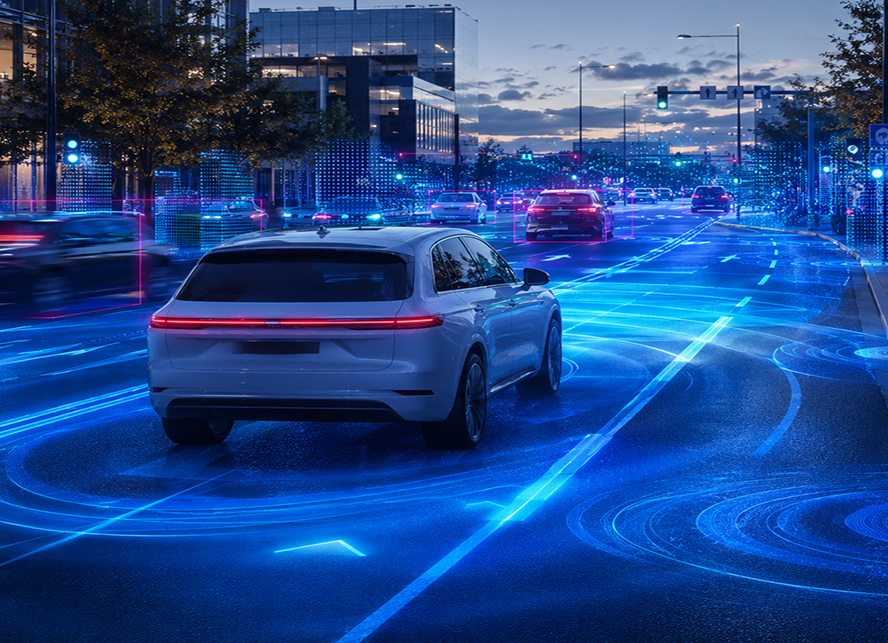
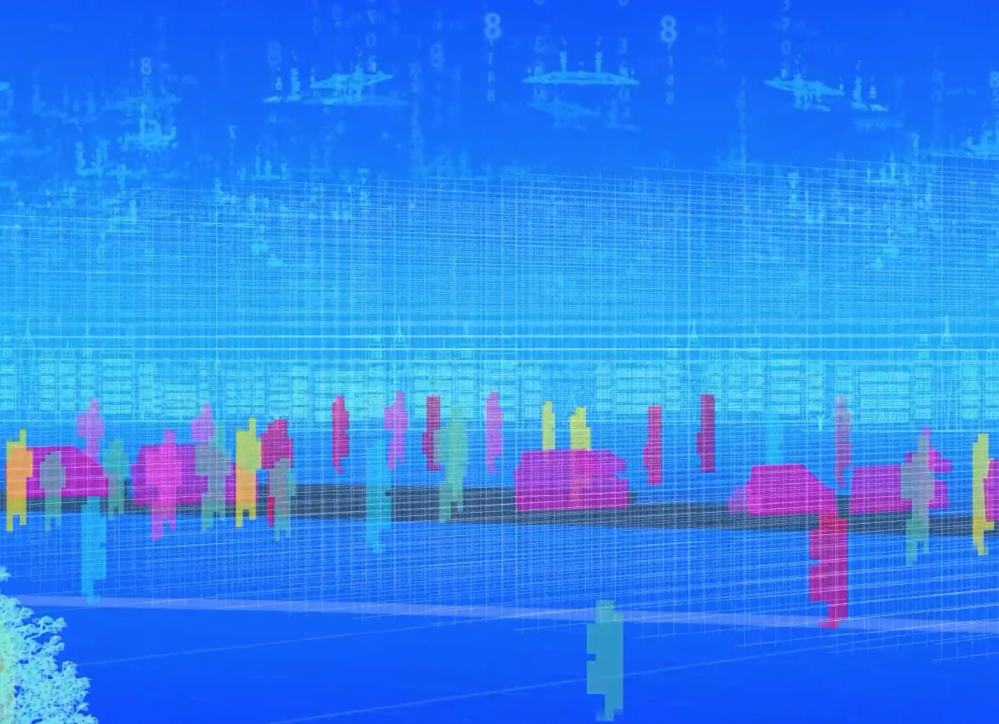
While cameras play an important role in autonomous sensing, they have limitations in glare, low light, harsh weather, and long-range detection. This is where the next-generation perception radar enters the scene. The power of perception radar is surround-view awareness; it acts as a comprehensive “eye,” mapping the entire environment, including pedestrians, cyclists, and other vehicles, with unparalleled precision.
Traditional radars simply do not have these capabilities. And even more advanced radars, without a 2K channel count, will not be able to support AEB in all scenarios due to limited dynamic range, which can prevent it from identifying small objects on the road where there are other highly reflecting objects such as commercial vehicles.
Regulators are making significant strides in mandating the widespread adoption of next-generation safety measures. While automotive safety regulations refrain from specifying particular technologies, we believe that technology is key for this important step forward, and perception radar is the right sensor to fulfill the NHTSA and NCAP vision.
As OEMs navigate the roadmap towards 2029 in the US and 2030 in Europe, future-proofing their cars must be top of mind. The secret in achieving true safety lies in sensor fusion: combining the strengths of cameras and radars. Much like human perception, which relies on multiple senses, sensor fusion creates a comprehensive picture of the environment and is critical, especially when detecting pedestrians and two wheelers, at high-speed, and at challenging lighting and weather conditions.
Investing in vehicle safety is an investment in the future. By understanding the changing landscape and choosing the right technology, automakers can navigate the road toward a future where zero fatalities become a reality.
————————————
This blog contains “forward-looking statements” within the meaning of the Securities Act of 1933 and the Securities Exchange Act of 1934, both as amended by the Private Securities Litigation Reform Act of 1995. The words “expect,” “believe,” “estimate,” “intend,” “plan,” “anticipate,” “may,” “should,” “strategy,” “future,” “will,” “project,” “potential” and similar expressions indicate forward-looking statements. Forward-looking statements are predictions, projections and other statements about future events that are based on current expectations and assumptions and, as a result, are subject to risks and uncertainties, including the risk and uncertainties resulting from the October 7th attack upon Israel, conflicts and potential conflicts involving Israel and the effect of the reaction to the war against Hamas on Israeli companies, particularly high tech companies as well as market acceptance of Arbe’s radar processor and Arbe’s radar processor performing in the manner which Arbe anticipates, and the risk and uncertainties described in “Cautionary Note Regarding Forward-Looking Statements,” “Item 5. Operating and Financial Review and Prospects” and “Item 3. Key Information – Risk Factors” Arbe’s Annual Report on Form 20-F/A for the year ended December 31, 2023, which was filed with the Securities and Exchange Commission on March 28, 2024 as well as other documents filed by Arbe with the SEC. Accordingly, you are cautioned not to place undue reliance on these forward-looking statements. Forward-looking statements relate only to the date they were made, and Arbe does not undertake any obligation to update forward-looking statements to reflect events or circumstances after the date they were made except as required by law or applicable regulation. Information contained on, or that can be accessed through, Arbe’s website or any other website or social media is expressly not incorporated by reference into and is not a part of this blog.
Connect to learn more