Animal Corner

Discover the many amazing animals that live on our planet.

  • Home
  • A-Z Animals
  • Anatomy
  • Glossary
  • Animal Lists
    • Animal By Letter
    • Animals by Location
    • Mammals
    • Birds
    • Reptiles
    • Amphibians
    • Spirit Animals
  • Free Resources
    • Animal Coloring Pages
    • Animal Jokes
    • Animal Quizzes
  • Pets
    • Dog Breeds
    • Rabbit Breeds
    • Cat Breeds
    • Pet Rodents
  • Horse Breeds
  • Blog
You are here: Home / Animals / Stink Bugs

Stink Bugs

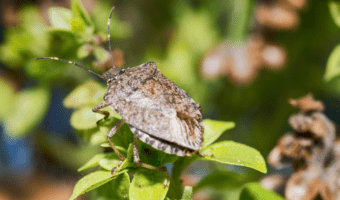
Stink Bugs - wildlife photograph in natural habitat

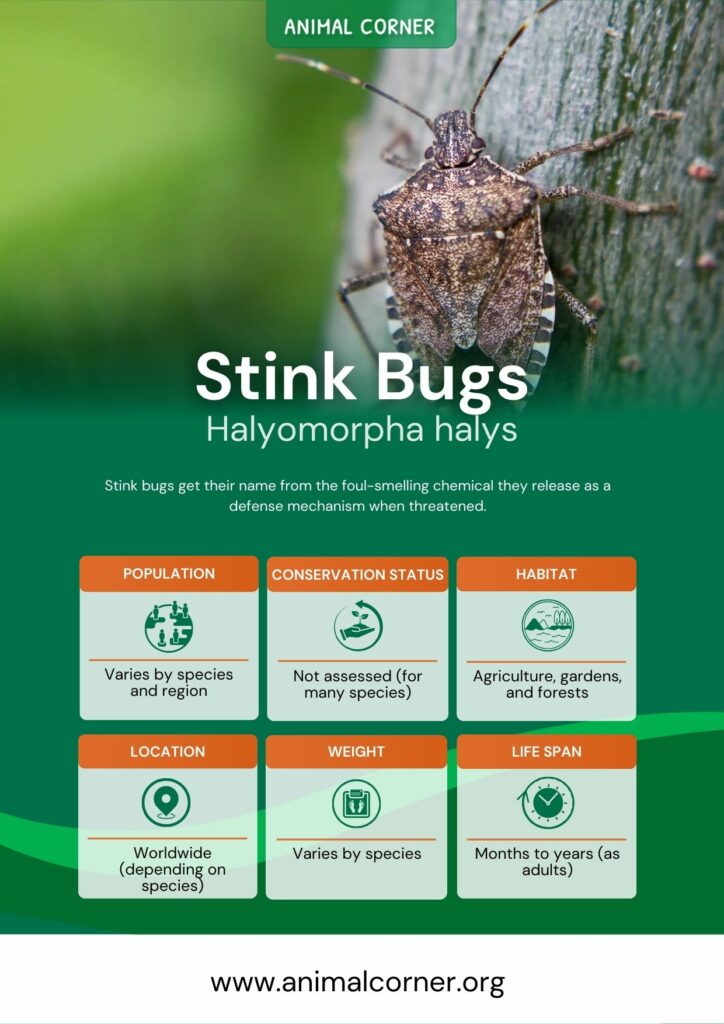
The Stink Bug belongs to the superfamily Pentatomoidea. It is also known as the Shield Bug and are common names applied to various insects of the Hemiptera order (the ‘true bugs’).
stink-bugs-2

Characteristics Of Stink Bugs

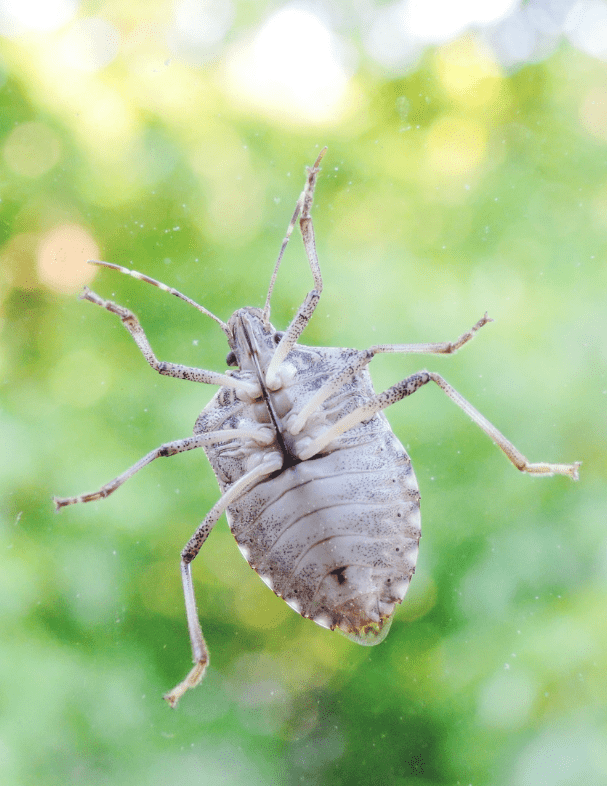
Adult Stink Bugs have four wings. The posterior part of the top wings is membranous and the anterior part is leathery.
Stink Bugs

Stink Bugs are generally oval to elliptical in shape and recognized most readily by the large triangular scutellum (plate that fits behind pronotum and between the forewings).

Stink Bugs are green to brown in color and have a long, thick beak (piercing, sucking mouth part) held between the legs. Many are brightly colored or have conspicuous marks. Most are plant feeders (a few are predators). Farming areas can yield good numbers in crops like cabbage, cotton, etc. or in nearby roadside vegetation.

Many species come to lights at night. Adult stink bugs of various species are active from spring through late autumn.

The eggs are laid in masses of 20 – 30 and are barrel-shaped.

When handled or disturbed, individuals will produce a fairly sweet odour from glands in the thorax. The openings for these glands are readily seen on the last thoracic segment towards the sides of the insect.

Behaviours to watch for include maternal care and guarding of egg clutches (in some species), aggregation behaviour and some sort of courtship displays.

The Stink Bug

Facts About Stink Bugs

Stink bugs have glands in their thorax between the first and second pair of legs which produce a smelly liquid. This liquid is used defensively to deter potential predators and is sometimes released when the bugs are handled carelessly. It is chemically similar to pheromones (a chemical that triggers a natural behavioral response in another member of the same species).

The nymphs, similar to adults except smaller and without wings, also have stink glands.

The nymphs and adults have piercing mouthparts which most use to suck sap from plants, although some eat other insects. When they group in large numbers they can become significant pests.

The stink bugs smell is thought to be similar to the smell of laundry that has been left in the washing machine for weeks without drying.

Check out more animals beginning with S

Sources & References

  • Animal Diversity Web — Pentatomidae
  • Wikipedia — Pentatomidae

Cite This Page

APA

Joanne Spencer (2026, April 7). Stink Bugs. Animal Corner. Retrieved 2026, April 26, from https://animalcorner.org/animals/stink-bug/

MLA

Joanne Spencer. "Stink Bugs." Animal Corner, 2026, April 7, https://animalcorner.org/animals/stink-bug/.

Click to copy

More Fascinating Animals to Learn About

  • Corncrake - wildlife photograph in natural habitat
    Corncrake
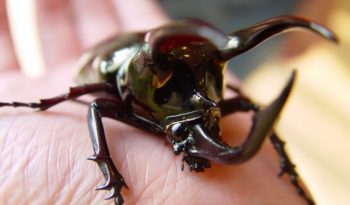
  • Atlas Beetle - wildlife photograph on flower in natural setting
    Atlas Beetle
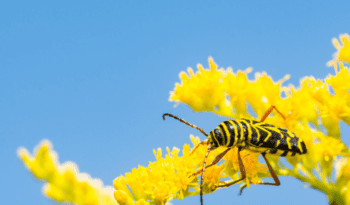
  • Sugar Maple Borer Beetle - wildlife photograph on flower in natural setting
    Sugar Maple Borer Beetle
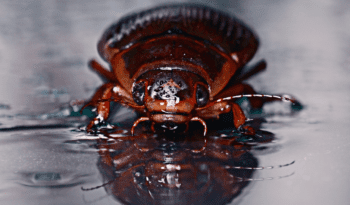
  • Water Beetle - wildlife photograph on flower in natural setting
    Water Beetle
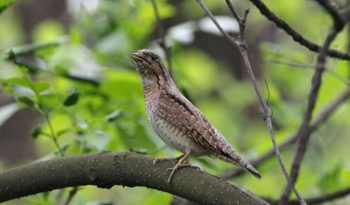
  • Eurasian Wryneck - wildlife photograph in natural habitat
    Eurasian Wryneck
  • Parasitic Bees - wildlife photograph on flower in natural setting
    Parasitic Bees (Cookoo Bees)

About Joanne Spencer

Joanne Spencer is the founder and lead writer at Animal Corner, where she has been researching and writing about wildlife since 2005. With over 19 years of experience in animal behavior, ecology, and conservation, Joanne has authored hundreds of species profiles and educational guides covering mammals, birds, reptiles, amphibians, and marine life. Her work draws on field observations, peer-reviewed research, and partnerships with conservation organizations to deliver accurate, accessible animal information for students, educators, and wildlife enthusiasts worldwide.

Animal Classification

Kingdom:Animalia
Phylum:Arthropoda
Class:Insecta
Order:Hemiptera
Suborder:Heteroptera
Infraorder:Pentatomomorpha
Superfamily:Pentatomoidea
Family:Pentatomidae

Search

Most Popular Animals

  • Zebras
  • Aquatic Warbler
  • Atlantic Dolphins
  • Trapdoor Spider
  • Giraffe
  • Meerkats
  • Timber Wolf
  • Praying Mantis
  • Huntsman Spider
  • Vampire Bat

Follow us on Social

Animal Names Glossary

Animal Names

Mammals

anatomy

Dog Breeds

dog breeds

Farm Animals

Farm Animals

Best of the Blog

  • Freshwater Marvels – 21 Awesome Animals that Live in Lakes
  • What are the Fastest Animals in the World?
  • 31 Animals with Funny Names and Weird Sounding Names: Humor in Nature
  • Top 15 Deadliest Animals in the World – The Most Fatal Creatures You May Encounter
  • Ophiophagy – Examples of animals that eat snakes
  • List of Fascinating Solitary Animals

Copyright © 2005-2026 · Animal Corner · All Rights Reserved Privacy Policy · Editorial Standards · Animals Sitemap · About Us